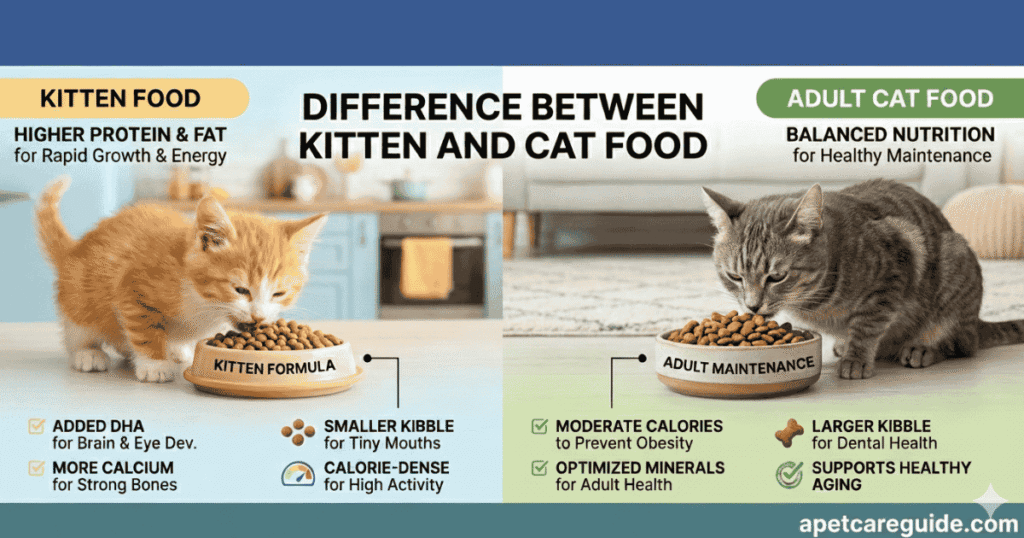


Watching my own tiny kitten pounce around the house, full of endless energy, I quickly realized that her needs were vastly different from my older, more relaxed cat. This experience opened my eyes to the huge difference between kitten and cat food. It’s not just about smaller kibble; it’s a fundamental nutritional distinction that can shape your feline friend’s entire life. Choosing the right food is one of the most important decisions you’ll make because it directly affects your kitten’s growth, long-term health, and overall well-being.
Feeding the right diet for each life stage provides the nutrients cats need to grow, stay active, and remain healthy. Kittens are in a rapid growth phase, while adult cats require nutrition focused on maintaining a healthy weight, muscle mass, and overall condition.
According to the Association of American Feed Control Officials (AAFCO), foods labeled for growth are formulated to meet the higher nutritional needs of kittens, while maintenance formulas are designed for healthy adult cats.
Quick Answer: Kitten food contains more calories, protein, fat, DHA, vitamins, and minerals to support rapid growth and development. Adult cat food contains balanced nutrients and fewer calories to help maintain a healthy body weight and overall health. Most kittens should transition to adult cat food at around 12 months of age, although some large breeds may require kitten food for a little longer under veterinary guidance.
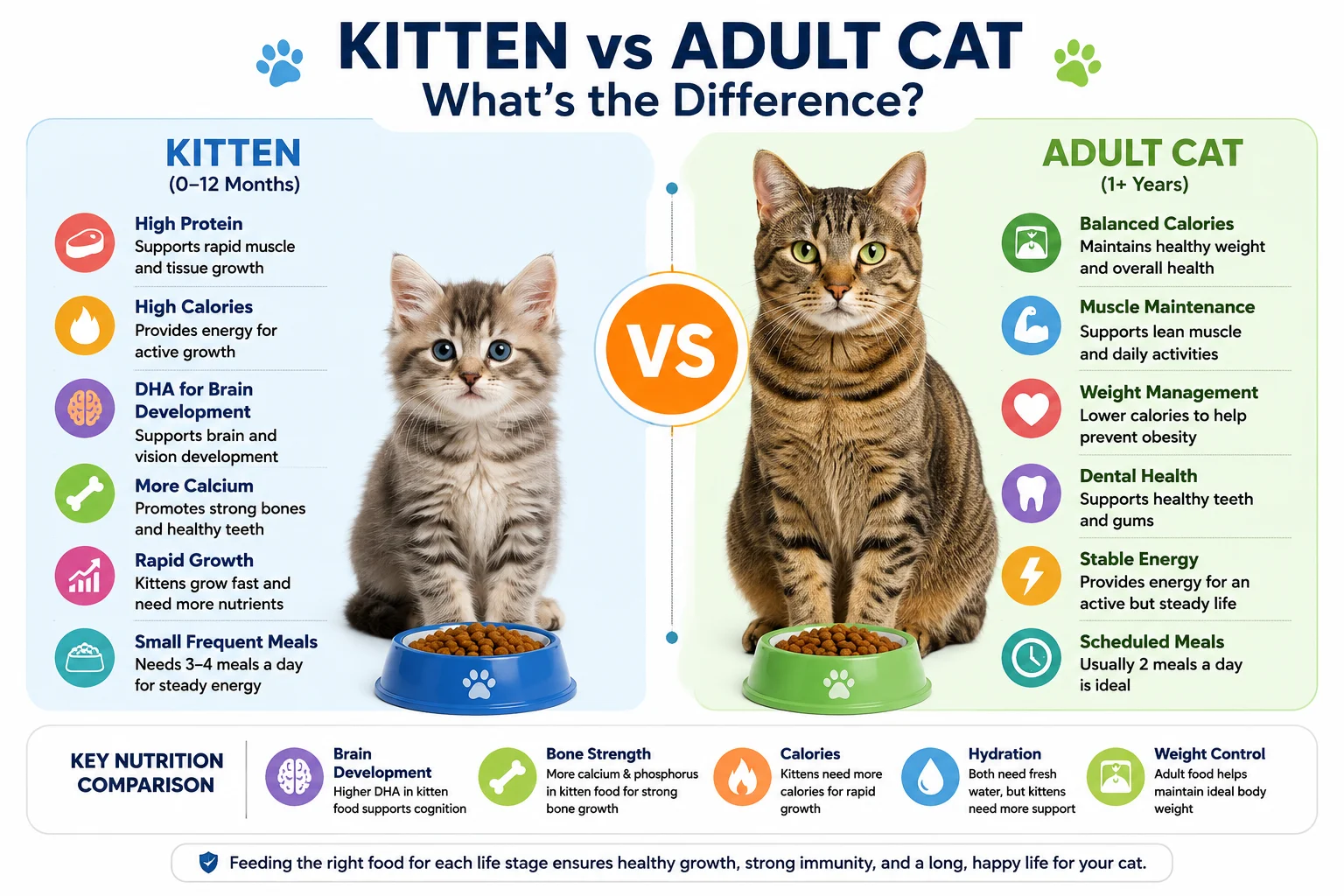
The table below highlights the key nutritional and functional differences between kitten food and adult cat food at a glance.
| Aspect | Kitten Food | Adult Cat Food |
|---|---|---|
| Caloric Content | Higher in calories to support rapid growth | Lower in calories to maintain energy and prevent weight gain |
| Protein Levels | Higher protein to support muscle and organ growth | Moderate protein to maintain muscle mass |
| Fat & Essential Fatty Acids | More fat, especially DHA, for brain and vision development | Moderate fat to avoid excessive weight gain |
| Minerals (Calcium & Phosphorus) | Higher levels for bone and teeth development | Balanced levels for bone maintenance |
| Amino Acids | Higher amounts (e.g., Arginine & Lysine) for growth and metabolism | Adequate amounts for maintenance and metabolism |
| Purpose | Supports rapid growth and development | Maintains health, energy, and muscle mass |
| Life Stage | For kittens up to 12 months | For adult cats (1 year and older) |
| Health Focus | Promotes healthy growth, strong bones, and cognitive development | Prevents obesity, supports energy, and overall health |
| Risk of Feeding the Wrong Food | Growth problems, weak bones, developmental delays, and nutritional deficiencies | Obesity, excessive calorie intake, and unnecessary kidney strain over time |
📌 Important Note: Kitten food and adult cat food are formulated for different life stages. Feeding the correct diet supports healthy growth in kittens while helping adult cats maintain a healthy body weight and reducing the risk of nutrition-related health problems.
💡 Expert Tip: From my experience, many first-time cat owners think all cat food provides the same nutrition. In reality, feeding a life-stage-appropriate diet during a kitten’s first year can significantly improve healthy growth, energy levels, immune function, and overall development.
📚 Authority Reference (AAFCO): The Association of American Feed Control Officials (AAFCO) recommends feeding kittens foods labeled complete and balanced for growth, as these formulas provide the higher levels of protein, energy, vitamins, and minerals needed during early development.
What is Kitten Food?
Kitten food is specially formulated to meet the nutritional needs of growing cats during their first year of life. Compared to adult cat food, it contains higher levels of calories, protein, healthy fats, vitamins, minerals, and DHA to support rapid growth, brain development, strong bones, and a healthy immune system. Most kitten foods are labeled as complete and balanced for growth according to AAFCO nutritional standards. Feeding kitten food during this important stage helps provide the nutrients young cats need for healthy physical and cognitive development.
What is Adult Cat Food?
Adult cat food is specially formulated for cats that have finished growing, usually after 12 months of age. It provides balanced protein, fat, vitamins, and minerals to maintain healthy body weight, muscle mass, and daily energy. Unlike kitten food, it contains fewer calories because adult cats no longer need nutrients for rapid growth.
According to the Association of American Feed Control Officials (AAFCO), adult cat food labeled as complete and balanced for maintenance is formulated to provide the nutrients healthy adult cats need to maintain normal body function, muscle mass, and overall health.
Kitten Food vs All Life Stages Cat Food
| Feature | Kitten Food | All Life Stages Cat Food |
|---|---|---|
| Purpose | Designed specifically for growing kittens | Suitable for kittens and adult cats when formulated for all life stages |
| Calories | Higher to support rapid growth and development | Moderate to high depending on the formula |
| Protein | High to support muscle and organ development | Meets nutritional requirements for all life stages |
| DHA | Usually higher to support brain and vision development | May vary depending on the manufacturer |
| Feeding Target | Kittens up to 12 months of age | Kittens, adults, and sometimes senior cats |
| Best Choice | Best for maximum growth and development | Ideal for households with cats of different ages |
| Veterinary Recommendation | Generally recommended for most growing kittens | Suitable only when labeled complete and balanced for all life stages |
📌 Important Note: All Life Stages cat food can meet a kitten’s nutritional requirements only if it is labeled as complete and balanced for growth or all life stages. However, many veterinarians recommend kitten-specific food during the first year because it is specially formulated to support rapid growth and healthy development.
💡 Expert Tip: If you have both kittens and adult cats in the same household, an All Life Stages formula can be a convenient option. However, if you are raising only one kitten, a high-quality kitten food is usually the better choice because it is designed specifically for healthy growth.
📚 According to AAFCO, foods labeled All Life Stages must meet the nutritional requirements for growth and reproduction, making them suitable for kittens as well as adult cats.
Understanding the Nutritional Needs of Cats at Different Life Stages
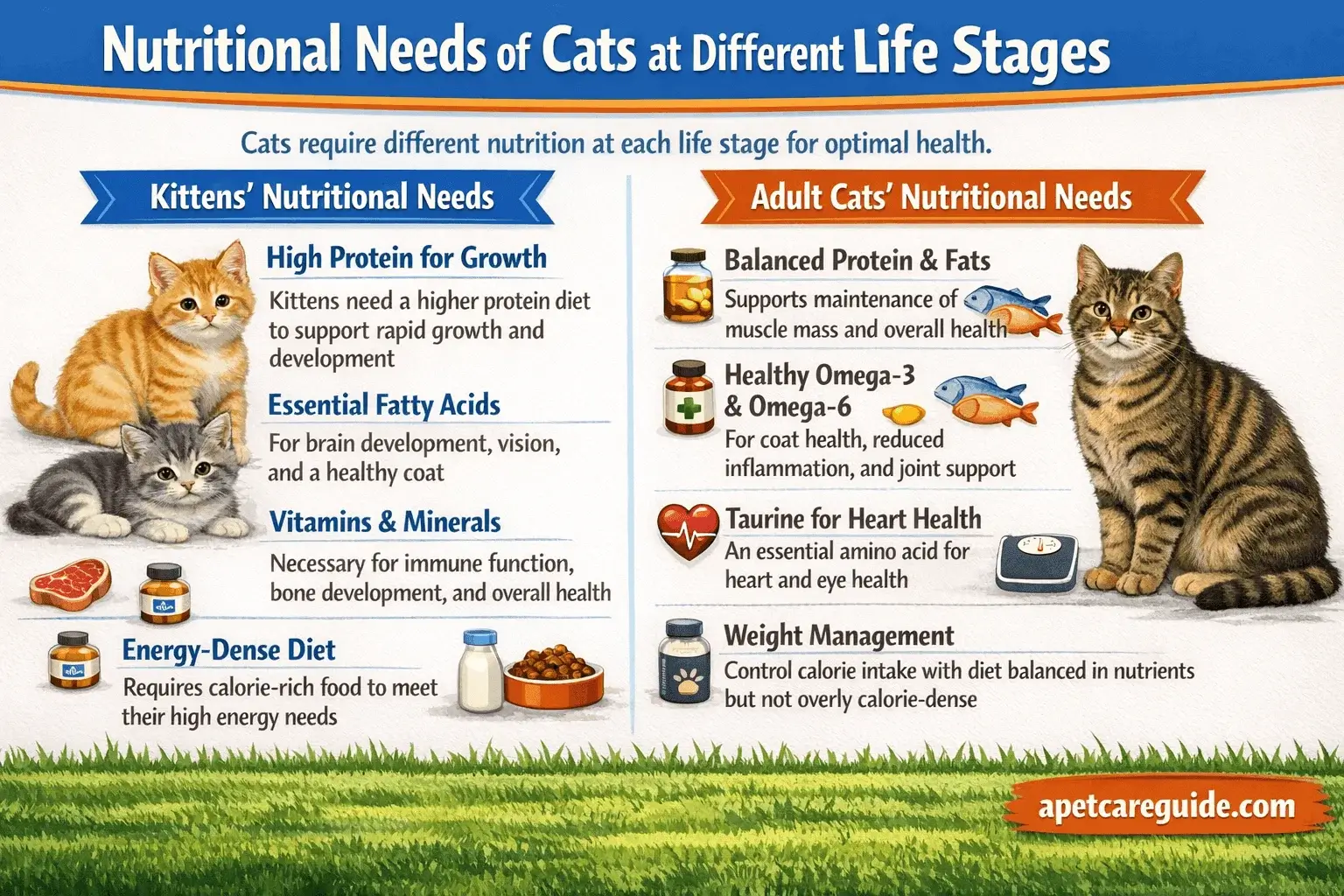
If you’re new to raising pets, our complete pet animals list can help you understand different pets and their basic care needs.
Kittens’ Nutritional Needs
A kitten’s first year is a whirlwind of growth. I remember being amazed at how quickly my little one grew! During this time, they are building their entire body from the ground up. Due to this remarkable development, kittens require a diet rich in energy and specific nutrients.
- They need significantly more calories, protein, and fat than an adult cat to fuel their nonstop play and growth. These elements are the essential building blocks for constructing strong muscles, organs, and tissues.
- This period is also critical for brain and bone development. The right nutrients, such as certain fatty acids and minerals, are necessary for proper cognitive function and for a strong skeletal structure to form.
Adult Cats’ Nutritional Needs
Once a cat reaches about one year old, its growth dramatically slows down. They enter a maintenance phase. My adult cat, for instance, spends more time lounging in sunbeams than climbing the curtains.
- The focus of their diet shifts from supporting growth to maintaining good health and a steady energy level. They no longer need the intense calorie load of a kitten.
- Adult cats have more stable nutritional requirements. Their food is designed to provide just what they need to stay lean, active, and healthy without packing on extra pounds, which is a common problem I’ve seen in many adult felines.
The World Small Animal Veterinary Association (WSAVA) emphasizes that life-stage nutrition helps cats receive the appropriate balance of calories and nutrients throughout different stages of life.
Key Differences Between Kitten and Adult Cat Food
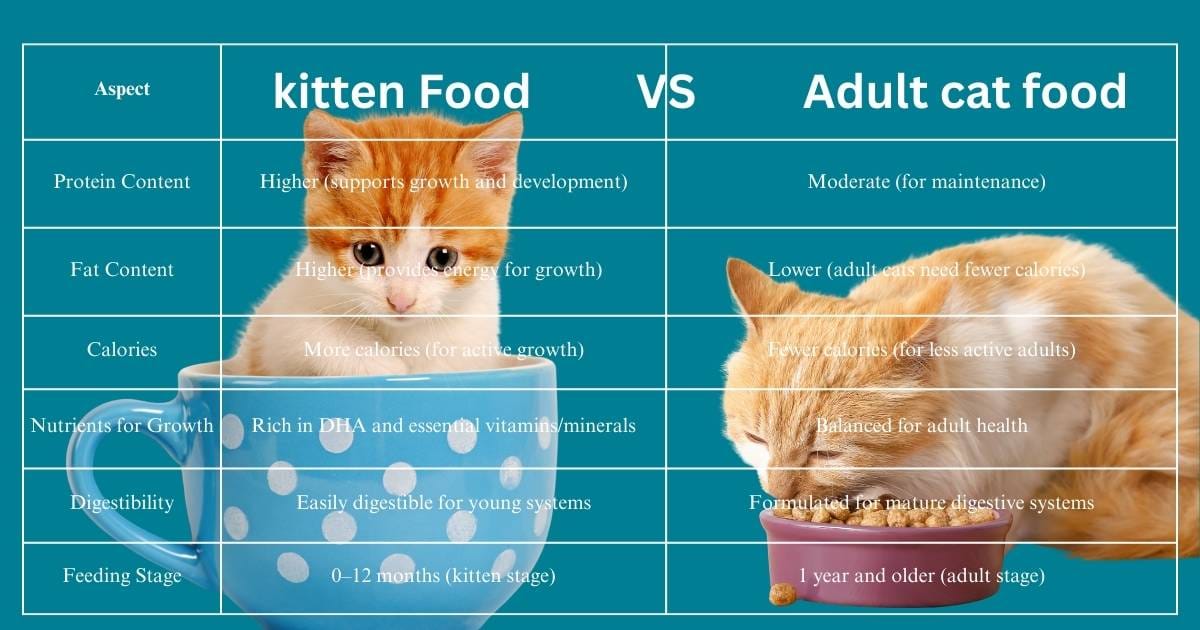
Understanding the difference between kitten and cat food becomes much clearer when you look at the nutrition label. Here’s a simple breakdown of what sets them apart.
Caloric Content
Kitten food is very calorie-dense. Each bite delivers more energy to support their high metabolism and constant activity. In contrast, adult cat food contains fewer calories per serving. This is done on purpose to help prevent obesity, a serious health risk for less active adult cats.
Protein Levels
You will find a much higher percentage of protein in kitten food. This protein is vital for developing everything from their muscles to their internal organs. Adult cat food still has quality protein, but the levels are adjusted for maintenance, not for building new tissue.
The Merck Veterinary Manual explains that high-quality animal protein supplies essential amino acids that support muscle development in kittens and help adult cats maintain lean muscle throughout life.
Fat and Essential Fatty Acids
Kitten formulas include more fat, which is a concentrated source of energy. Crucially, they contain higher levels of DHA, an omega-3 fatty acid that is a powerhouse for brain and vision development. Adult cat food has a more moderate fat content to provide energy without leading to unhealthy weight gain.
AAFCO growth formulas are designed to provide higher levels of nutrients, including essential fatty acids that support normal brain and vision development during kittenhood.
Minerals (Calcium, Phosphorus, Magnesium)
To build strong bones and teeth, kittens need more minerals like calcium and phosphorus. Kitten food is carefully balanced with higher levels of these minerals. For adult cats, the mineral content is lower and balanced to support bone health without putting unnecessary strain on their kidneys.
Veterinarians at Cornell University College of Veterinary Medicine note that proper calcium-to-phosphorus balance is essential for healthy skeletal development in growing kittens.
Amino Acids (e.g., Arginine, Lysine, Methionine)
These are the building blocks of protein, and kittens need them in greater amounts for proper growth and a healthy metabolism. While adult food contains these essential amino acids, the quantities are tailored for the regular upkeep of an adult body.
Why Feeding the Right Food Matters
Making the correct choice at the pet store is more than just a preference; it’s a critical health decision. I learned this the hard way after a friend of mine made a simple mistake with her own pets.
For Kittens
Feeding adult food to a kitten can sadly lead to serious problems. Lower levels of calories, protein, and fat can result in nutritional deficiencies.
- This can cause stunted growth, a weak immune system, and developmental issues with their bones and brain.
- The nutrients in kitten food are specifically designed to support them through their first year, building a strong foundation for their adult life. Not providing this can have lasting consequences.
For Adult Cats
On the flip side, giving kitten food to an adult cat is also a bad idea. My friend’s adult cat started gaining weight rapidly after sneaking bites from the kitten’s bowl.
- The high-calorie, high-fat formula can quickly lead to obesity and related health issues.
- The rich nutrient profile can also strain an adult cat’s kidneys over time. Adult cat food is formulated to provide a balanced diet that avoids these long-term health problems. This is a key difference between kitten and cat food.
Potential Health Risks of Feeding the Wrong Food
The consequences of feeding the wrong diet can be heartbreaking. It’s not just a small mistake; it can lead to chronic health conditions.
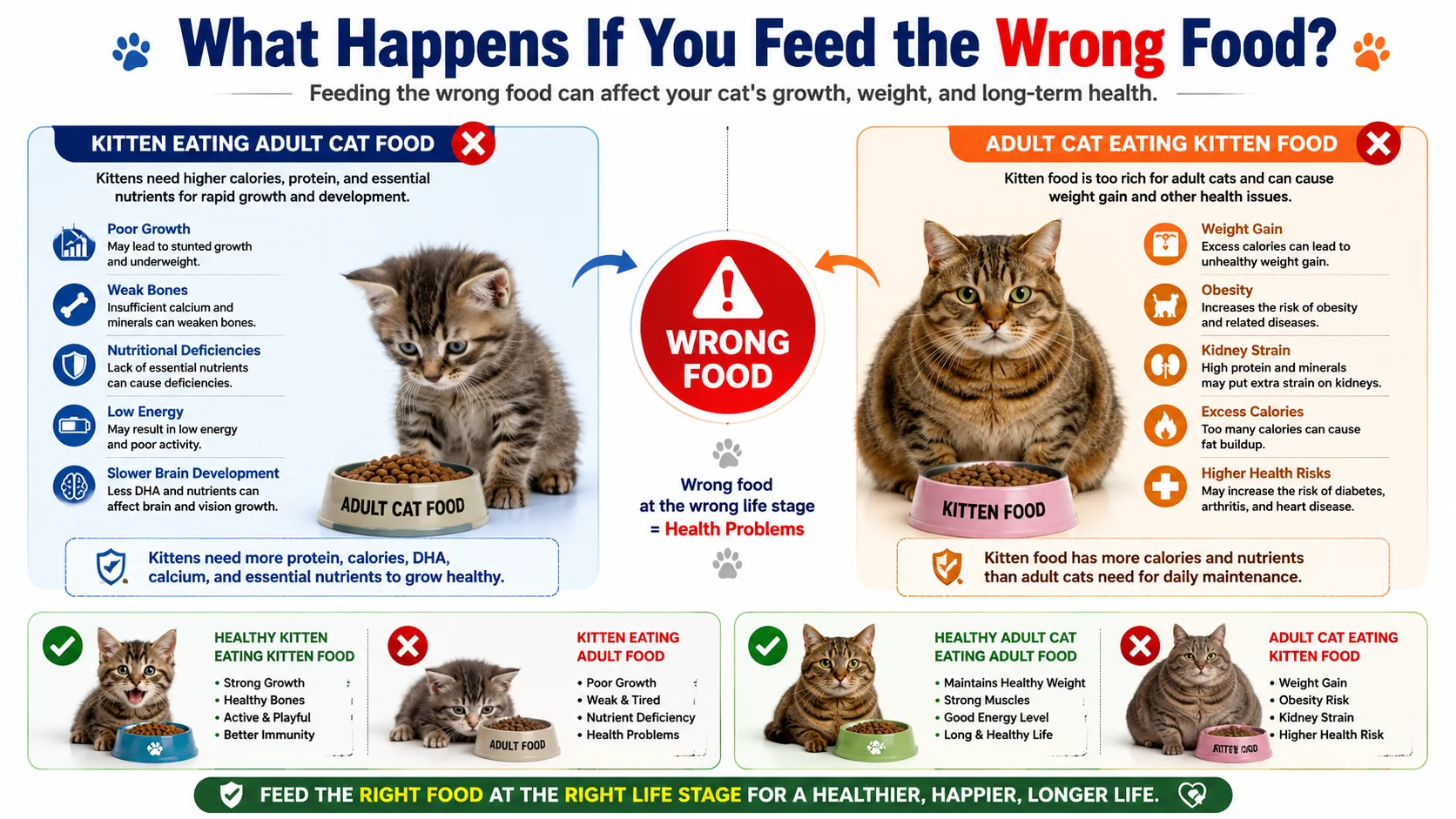
Kittens on Adult Cat Food
When a kitten doesn’t get the right fuel, their body can’t build itself correctly. This can lead to:
- Growth problems that prevent them from reaching their full size.
- Weaker bones that are more prone to fractures.
- Potential cognitive delays due to a lack of brain-building nutrients like DHA.
Adult Cats on Kitten Food
When an adult cat eats a diet that’s too rich, their body goes into overdrive. This can cause:
- Obesity puts stress on their joints and organs.
- Kidney disease occurs from the processing of excess protein and minerals.
- Bone problems are due to an improper mineral balance for their age.
Real-World Examples/Case Studies
I once consulted with a vet about a case where a family had two cats, a kitten and an adult, and let them share the same food bowl filled with kitten food. The kitten seemed fine, but the 5-year-old adult cat became dangerously overweight and developed early signs of urinary tract issues. The vet explained that the rich minerals were too much for the adult’s system. This story always reminds me how vital the difference between kitten and cat food is.
The ASPCA Animal Poison Control Center advises pet owners to feed age-appropriate diets and avoid sudden dietary changes that may contribute to digestive upset or nutritional imbalances.
Homemade vs Commercial Kitten Food
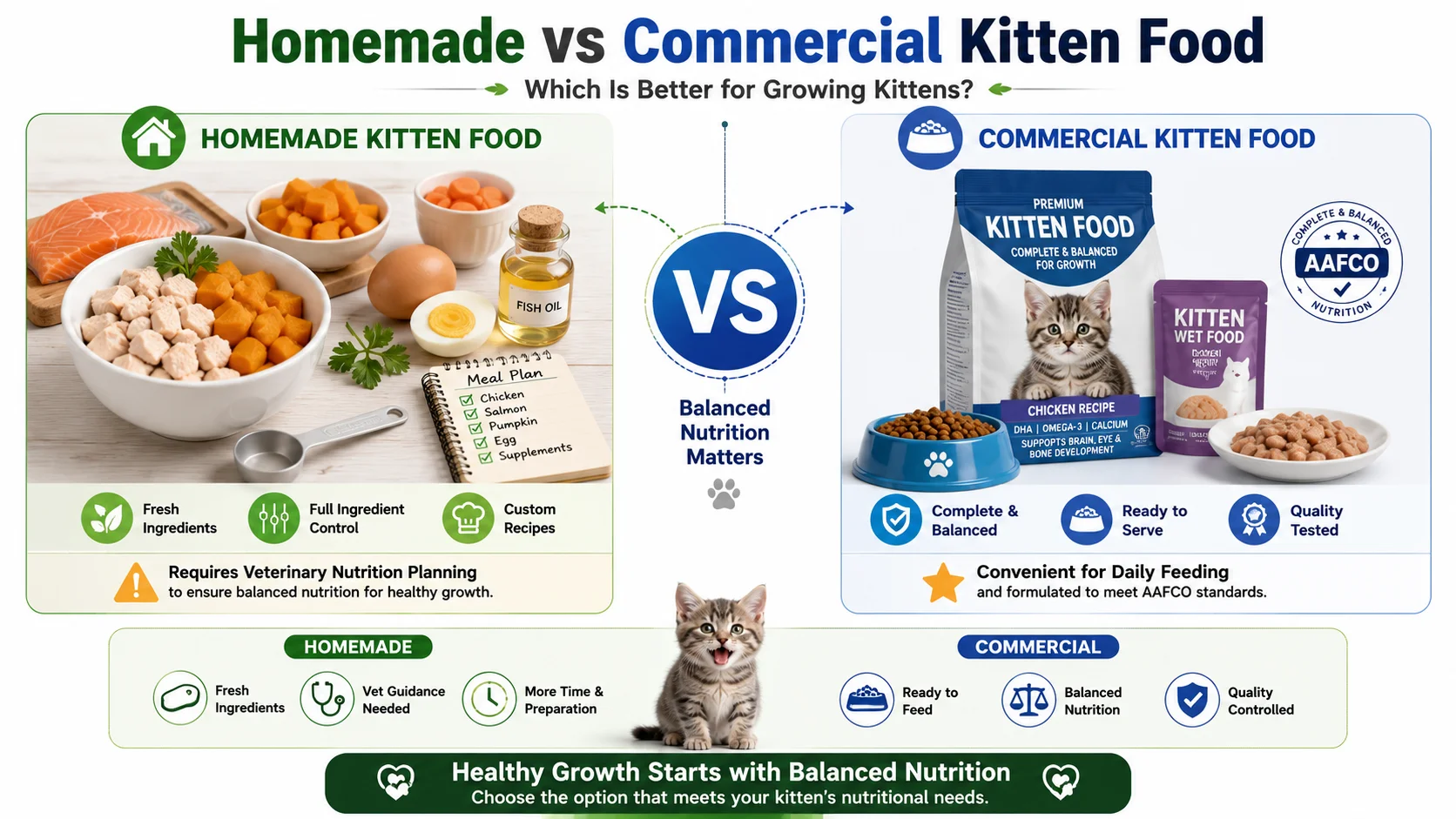
Some cat owners prefer preparing homemade meals, while others choose commercial kitten food for convenience. Both options can work, but they are not equally suitable for every situation. Growing kittens require precise amounts of protein, fat, vitamins, minerals, and amino acids, making balanced nutrition especially important during their first year of life.
| Feature | Homemade Kitten Food | Commercial Kitten Food |
|---|---|---|
| Nutritional Balance | Difficult to balance without veterinary guidance. | Formulated to provide complete and balanced nutrition for growing kittens. |
| Ingredients | You have full control over ingredient quality and freshness. | Ingredients vary by brand, but reputable products meet nutritional standards. |
| Preparation Time | Requires planning, cooking, and proper storage. | Ready to serve with little or no preparation. |
| Cost | May be affordable or expensive depending on ingredients. | Available in a wide range of prices to fit different budgets. |
| Convenience | Less convenient for busy owners. | Highly convenient for daily feeding. |
| Food Safety | Requires careful preparation to avoid nutritional deficiencies or bacterial contamination. | Produced under quality control and food safety standards. |
| Best For | Owners working with a veterinarian or veterinary nutritionist to create balanced homemade meals. | Most kitten owners seeking complete, reliable, and convenient daily nutrition. |
📌 Important Note: Homemade kitten food should never be prepared using random online recipes alone. Growing kittens need carefully balanced amounts of protein, fat, taurine, calcium, vitamins, and minerals. Nutritional deficiencies during this stage can lead to poor growth, weak bones, and long-term health problems. If you choose a homemade diet, consult your veterinarian or a board-certified veterinary nutritionist.
💡 Expert Tip: In my experience, high-quality commercial kitten food is the safest and most practical option for most owners because it delivers consistent nutrition throughout a kitten’s rapid growth stage. Homemade meals can also be an excellent choice, but only when they are carefully formulated to meet all of a kitten’s nutritional requirements.
📚 Authority Reference (WSAVA): The World Small Animal Veterinary Association (WSAVA) recommends feeding kittens a complete and balanced diet that meets recognized nutritional standards. Homemade diets should only be used when they are properly formulated to provide all essential nutrients required for healthy growth and development.
How to Choose the Right Food for Your Cat
Navigating the pet food aisle can feel overwhelming, but a few simple tips can make it much easier.
Choosing Kitten Food
When you’re looking for the perfect kitten food, turn the bag over and read the label.
- Look for a statement that says the food is complete and balanced for kittens or for all life stages.
- Look for an AAFCO nutritional adequacy statement, which means the food meets established nutritional standards.
Choosing Adult Cat Food
For your adult companion, you want food that maintains their health.
- Again, look for the AAFCO statement confirming it’s balanced for adult cat maintenance.
- Consider formulas designed for their specific needs. For example, once your cat gets older, you might switch to a “senior cat food” that supports aging joints and has adjusted calorie levels.
Consulting a Veterinarian
When in doubt, your veterinarian is your best resource. From my experience, a quick chat with my vet has cleared up so much confusion. They can offer personalized advice based on your cat’s breed, health, and lifestyle.
Wet Kitten Food vs Dry Kitten Food
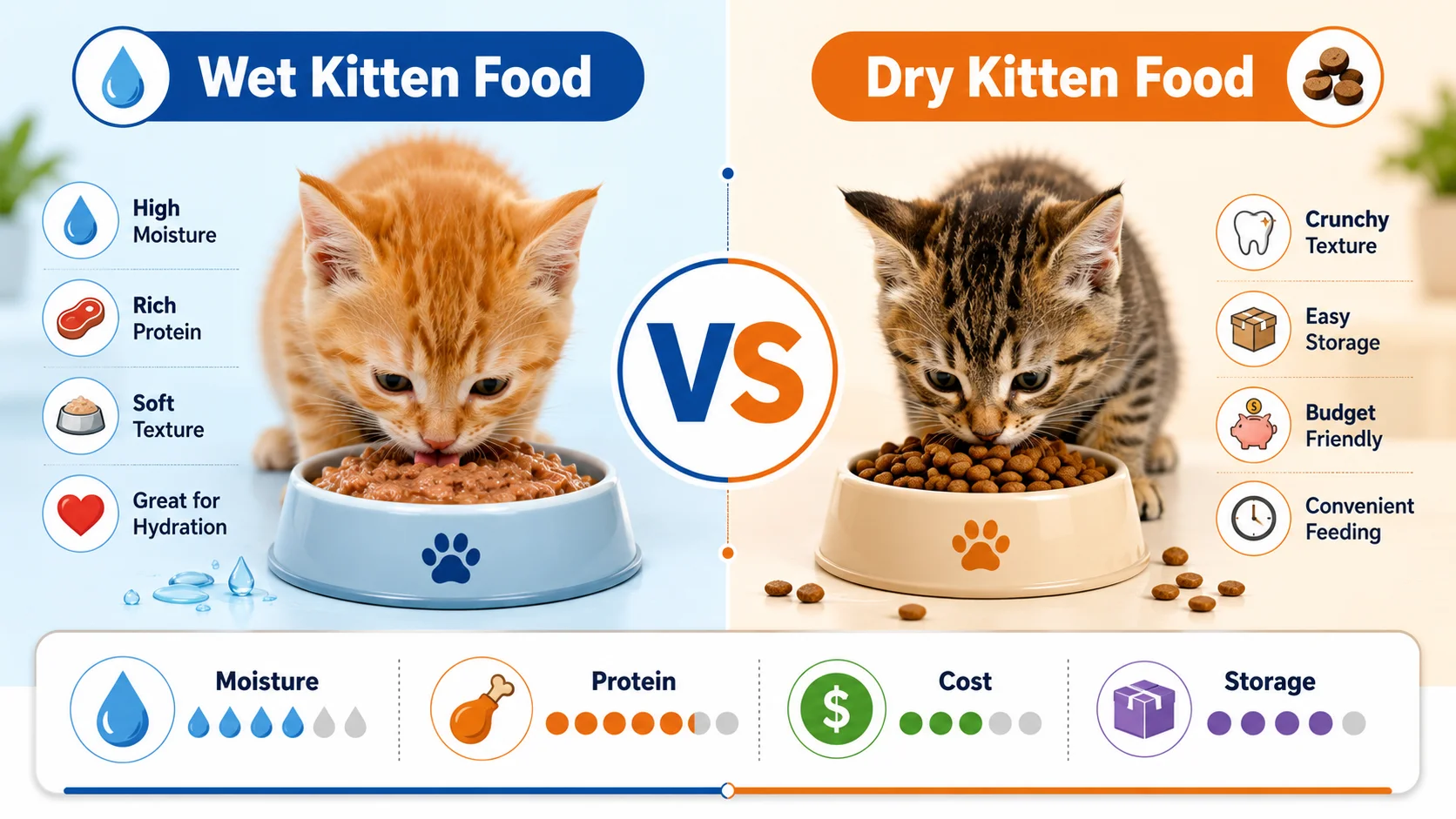
| Feature | Wet Kitten Food | Dry Kitten Food |
|---|---|---|
| Moisture Content | Very high (about 70–80%), helping support hydration. | Low moisture (around 8–10%), so fresh water should always be available. |
| Protein & Calories | Rich in protein and calories to support rapid growth. | Also nutritionally complete when formulated for kittens. |
| Texture | Soft and easy for young kittens to chew. | A crunchy texture may help reduce plaque buildup, though it doesn’t replace dental care. |
| Storage | Must be refrigerated after opening and used within a short time. | Easy to store and stays fresh longer after opening. |
| Cost | Usually more expensive per serving. | Generally more affordable and economical. |
| Best For | Young kittens, picky eaters, or kittens needing extra hydration. | Healthy kittens that chew well and owners looking for convenience. |
📌 Important Note: Whether you choose wet food, dry food, or a combination of both, always select a product labeled as complete and balanced for kittens. Fresh drinking water should be available at all times, especially when feeding dry food.
💡 Expert Tip: In my experience, feeding a combination of wet and dry kitten food has worked well. Wet food helps increase water intake and adds variety, while dry food is convenient for scheduled meals and stays fresh longer throughout the day.
📚 Authority Reference (AAFCO): The Association of American Feed Control Officials (AAFCO) recommends choosing foods labeled as complete and balanced for growth (kitten) to ensure they provide the nutrients required during this important stage of development.
Signs Your Cat May Be Eating the Wrong Food
Even if you choose a high-quality cat food, it may not be the right fit for your kitten or adult cat. Watching for early signs of nutritional imbalance can help you make changes before small problems become serious.
Watch for these common signs:
- Poor weight gain or unexpected weight loss
- Low energy or reduced activity
- A dull, dry, or unhealthy coat
- Frequent vomiting or diarrhea
- Poor appetite
- Slow growth in kittens
- Excessive weight gain in adult cats
- Ongoing digestive problems
If you notice one or more of these signs, consult your veterinarian before changing your cat’s diet. A health issue, food allergy, or an inappropriate life-stage diet may be contributing to the problem.
According to the American Animal Hospital Association (AAHA), changes in body condition, appetite, coat quality, and digestive health can indicate nutritional problems or underlying medical conditions that should be evaluated by a veterinarian.
Can You Transition Your Cat Between Kitten and Adult Food?
Yes, transitioning is a normal and necessary part of your cat’s life! It just needs to be done at the right time and in the right way.
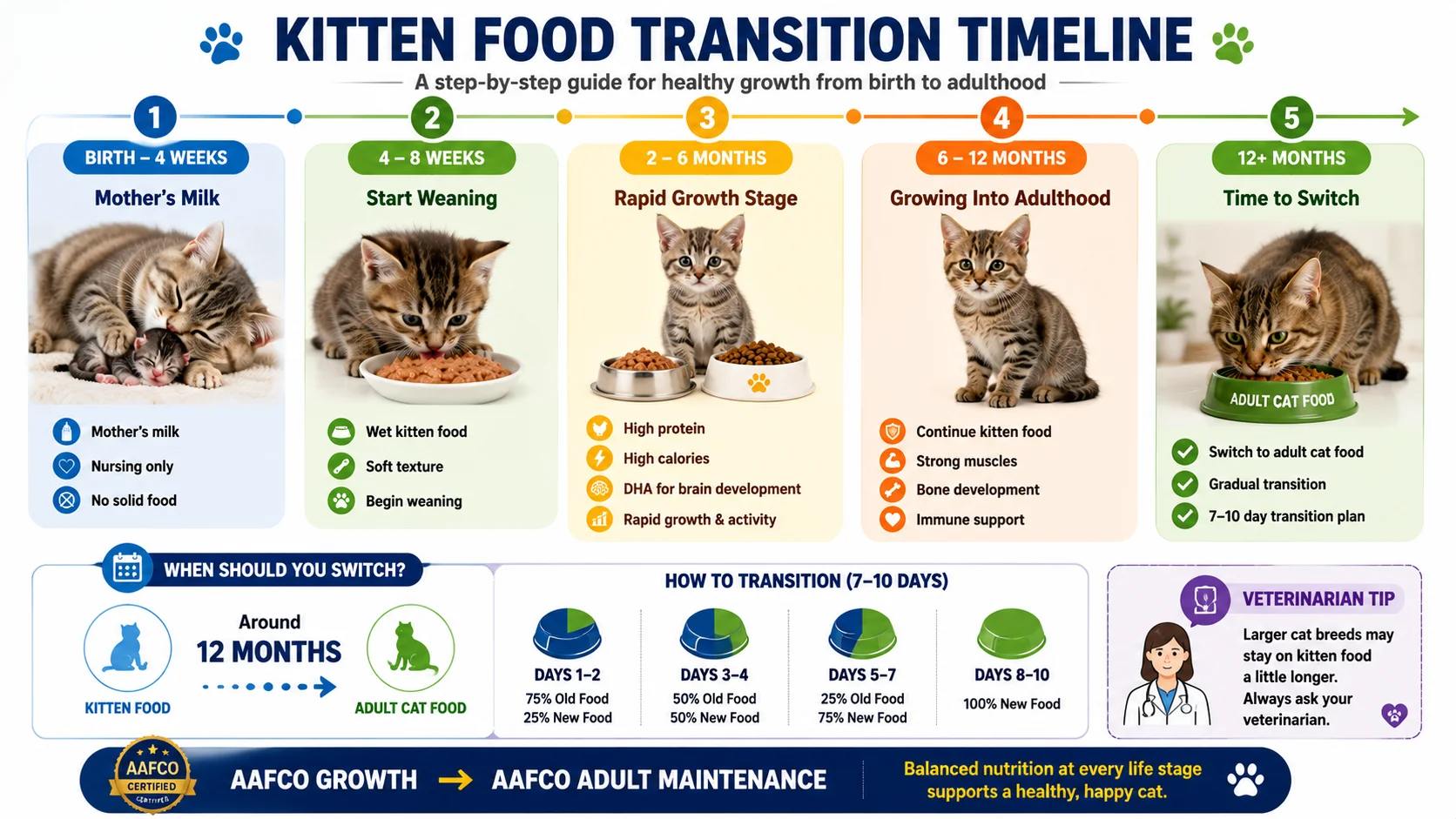
When To Switch From Kitten Food To Cat Food
Most cats are ready to switch from kitten to adult food when they are around 12 months old. This is when they’ve completed most of their growing. For some larger breeds, your vet might recommend waiting a little longer.
How to Transition
A sudden food change can upset your cat’s stomach. I always recommend a gradual transition over 7-10 days:
- Start by mixing a small amount of the adult food (about 25%) with their kitten food (75%).
- Slowly increase the amount of new food and decrease the old food every couple of days until you’ve fully switched over.
Monitoring Your Cat’s Weight and Health
After the switch, keep a close eye on your cat. Watch their weight, energy levels, and coat condition. This will tell you if the new food is a good fit for them. This monitoring is a crucial part of understanding the practical difference between kitten and cat food.
The American Animal Hospital Association (AAHA) recommends introducing dietary changes gradually over several days to help reduce digestive upset and improve acceptance of the new food.
Common Misconceptions About Cat Food
There’s a lot of misinformation out there. Let’s clear up a couple of common myths I hear all the time.
- Kitten Food is Only for Kittens: Some people think they should switch their kitten from kitten food after just a few months. This is a mistake. A kitten needs that nutrient-dense formula for their entire first year of growth.
- Adult Cats Can Eat Kitten Food Without Issues: Another common belief is that a little kitten food won’t hurt an adult cat. While a single stolen bite isn’t an emergency, making it a regular treat or habit can lead to the serious long-term health risks we’ve discussed. The significant difference between kitten and cat food makes this a dangerous practice.
The American Animal Hospital Association (AAHA) recommends introducing dietary changes gradually over several days to help reduce digestive upset and improve acceptance of the new food.
Related Cat Care Guides
- Cat Diet Chart
Learn the right feeding amounts for kittens and adult cats based on their age and weight. - Cat Food Types
Explore wet, dry, raw, homemade, and other cat food types to choose the best diet. - How to Store Cat Food Properly
Keep wet and dry cat food fresh, safe, and nutritious with proper storage methods. - Cat Care Tips
- Pet Health Tips
Final Thoughts About the difference between kitten and cat food
In the end, recognizing the difference between kitten and cat food is an essential part of responsible and loving pet ownership. Kittens require a diet rich in calories, protein, and fats to build a strong body, while adults need a balanced diet to maintain their health and prevent weight gain. By feeding the right food at the right time, you are setting your cat up for a lifetime of health and happiness. Always choose a high-quality food that is appropriate for their life stage, and never hesitate to talk with your veterinarian for guidance tailored to your precious feline.
The American Veterinary Medical Association (AVMA) emphasizes that proper nutrition throughout every life stage is one of the most important factors supporting long-term feline health and disease prevention.
FAQs about the difference between kitten and cat food
What happens if I feed my kitten adult food?
If you feed your kitten adult food, they will likely miss out on the crucial calories, protein, fats, and minerals needed for healthy development. This can lead to stunted growth, a weak immune system, and poor bone and brain development.
Can I feed my adult cat kitten food occasionally?
A tiny bit as a rare treat is unlikely to cause immediate harm, but it’s not a good habit. Kitten food is too high in calories and fat for an adult, and regular feeding can lead to obesity, kidney strain, and other long-term health issues.
What should I do if my kitten is overweight?
If your kitten seems overweight, first consult your veterinarian. They can rule out any medical issues. The solution usually involves managing portion sizes and encouraging more playtime and exercise rather than switching to a lower-calorie adult food, as your kitten still needs those vital growth nutrients.
Is there a difference between dry and wet food for kittens and adult cats?
Yes, the nutritional difference between kitten and cat food exists in both wet and dry forms. The choice between wet and dry food often comes down to preference and specific health needs. Wet food is great for hydration, while dry food can be good for dental health. You can choose either, as long as it’s formulated for the correct life stage.
What is the best way to introduce new food to my cat?
The best way is to do it slowly over 7-10 days. Start by mixing about 25% of the new food with 75% of the old food. Gradually shift the ratio every few days until your cat is eating 100% of the new food. This helps prevent digestive upset.
When Can a Kitten Eat Adult Food?
A kitten is typically ready to transition to adult food around their first birthday, or 12 months of age. At this point, they have reached their adult size, and their nutritional needs shift from growth to maintenance.
How to Switch from Kitten Food to Adult Cat Food
To switch foods, gradually mix the new adult food into their old kitten food over a week or so. This slow transition helps their digestive system adapt and makes them more likely to accept the new diet without any issues.