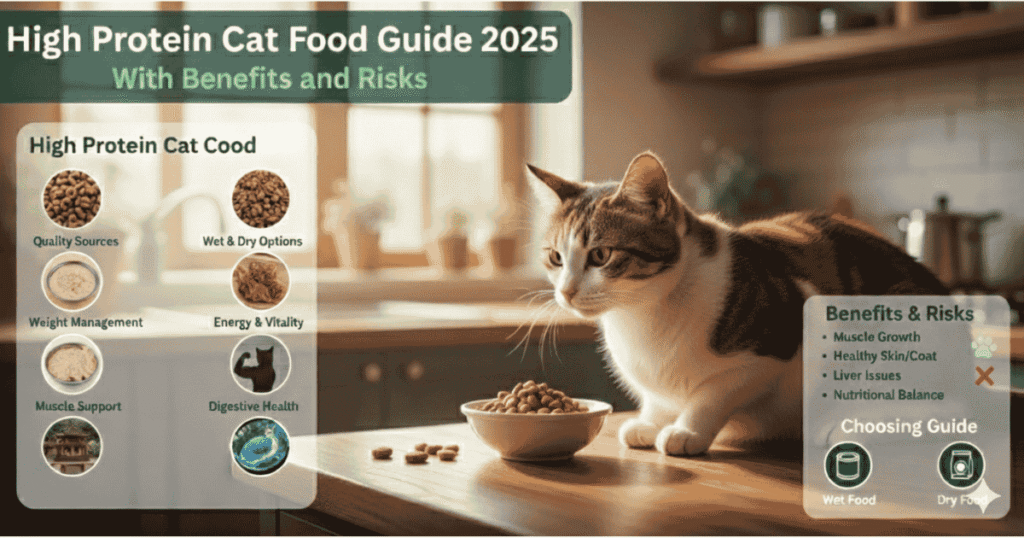


Cats naturally eat meat. In the wild, they hunt and eat meals packed with protein. Feeding your pet a meat-focused diet matches their biological needs. High protein cat food gives your furry friend the exact fuel they need to thrive. I noticed my own cat had way more energy when I switched his meals. Let us look at why protein matters, how to pick the right meals, and what mistakes you should avoid.
What Is High Protein Cat Food?
True meat-based diets focus on animal muscle and organs over plant fillers. These meals give felines the exact building blocks their bodies crave for daily health and energy.
Understanding Protein Requirements in Cats
Felines are obligate carnivores. They must eat meat to survive. Their bodies cannot make certain amino acids, so they must get them from their meals. In my experience, feeding cats plant-heavy kibble leaves them hungry and tired. When I switched my tabby to a meat-first diet, his coat got softer, and he stopped begging for snacks.
Difference Between Regular and High-Protein Cat Food
| Feature | Regular Cat Food | High Protein Cat Food |
| Primary Ingredient | Often corn, wheat, or soy | Real meat, poultry, or fish |
| Protein Level | Usually 25% to 30% | Typically 35% to 50% or more |
| Carb Content | Higher carbohydrates | Lower carbohydrates |
| Energy Source | Plant-based calories | Animal-based calories |
How Much Protein Does a Cat Need Daily?
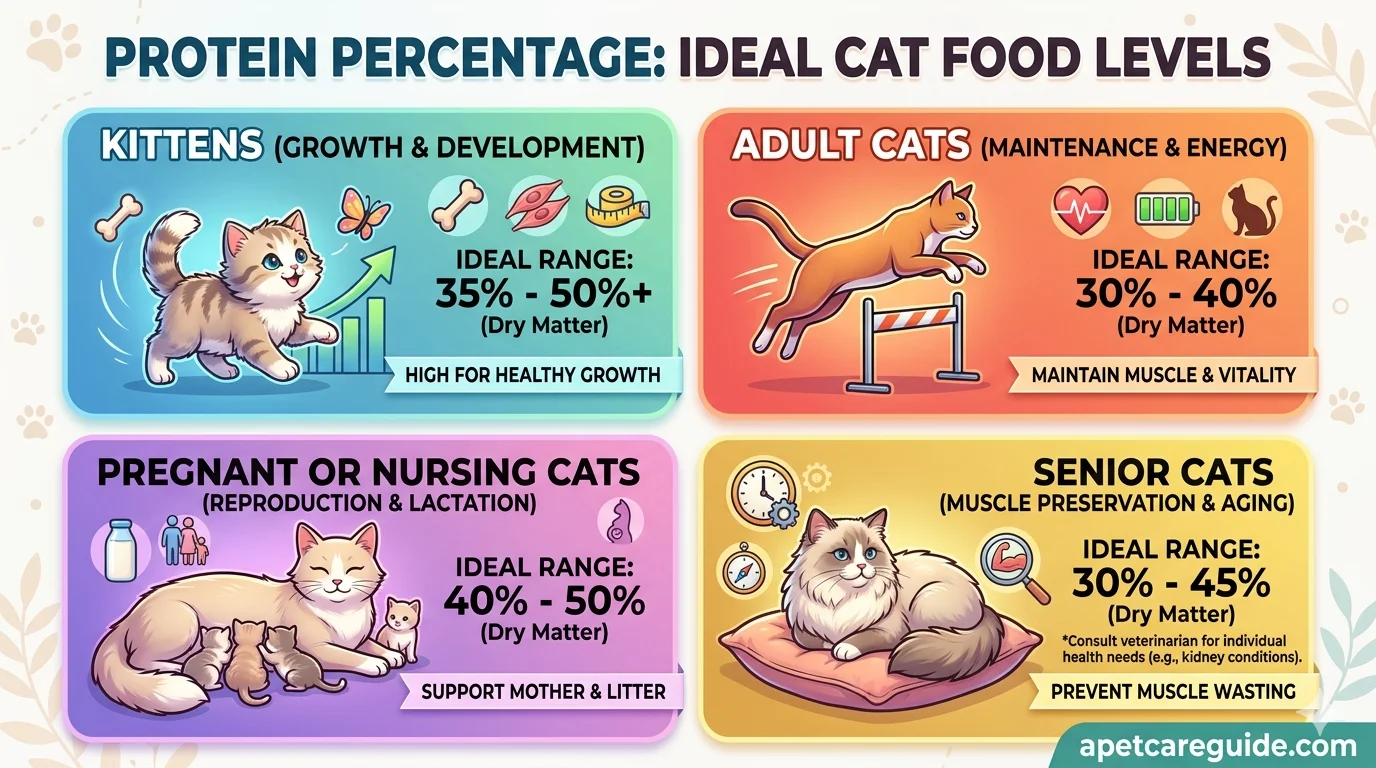
Most healthy adults need at least 26% protein in their diet, though many thrive on 35% to 40%. Growing kittens need even more. I noticed my older cat started losing muscle mass until my vet told me to up his meat intake. Now, I always check the label to make sure the crude protein sits well above 30%.
Why Cats Need Protein
Meat provides taurine, arginine, and other amino acids that keep the heart and eyes strong and clear. Without these, felines get sick very quickly. I personally prefer feeding wet food heavy in chicken or turkey. I once saw a friend’s cat develop terrible eye issues because she fed him a cheap, grain-filled diet with almost no real meat.
Read about the cat food transition from Kitten to adult cat
Benefits of High-Protein Cat Food
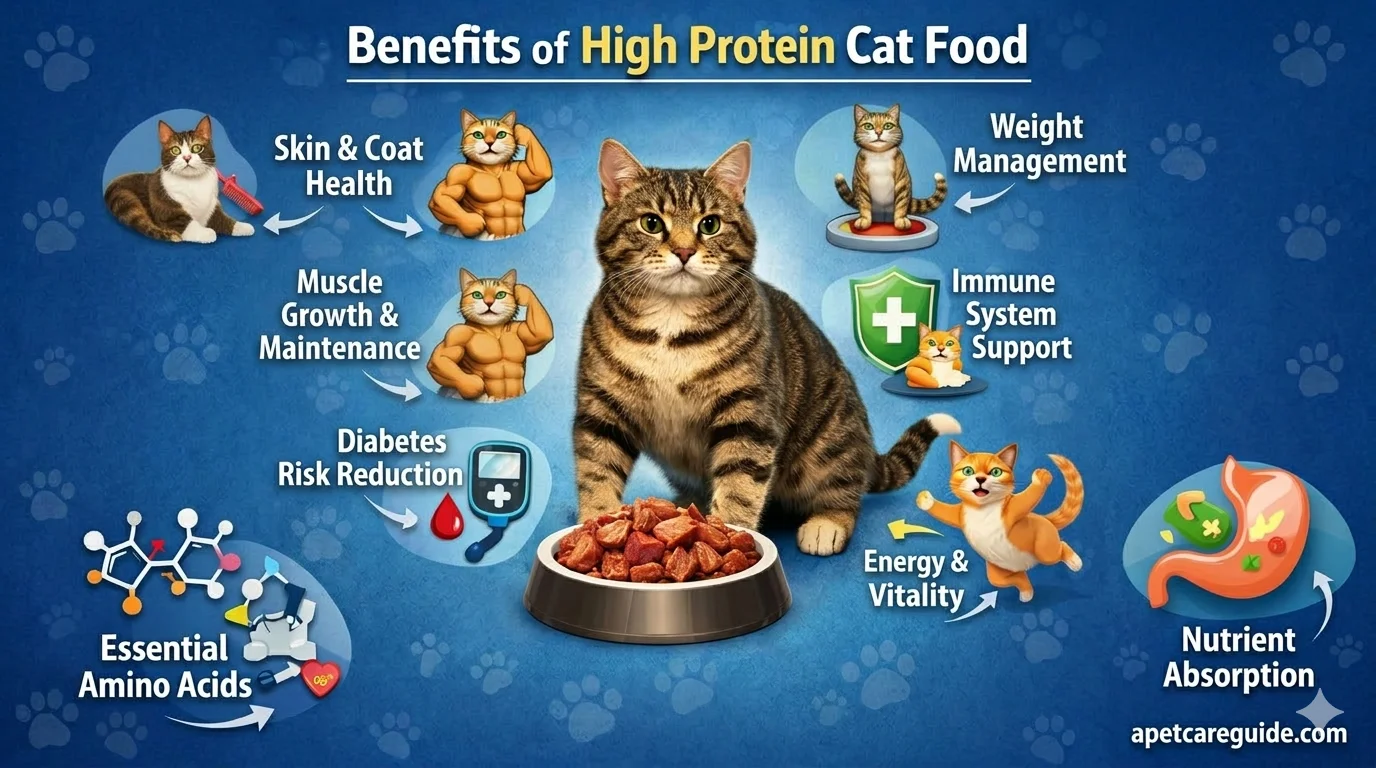
Meat-heavy meals offer incredible advantages. From keeping extra weight off to making their fur shine, giving your pet the right fuel changes their whole life.
Supports Lean Muscle Growth and Maintenance
Strong muscles let felines jump, climb, and play safely. Meat provides the building blocks for these muscles. I noticed my rescue cat was very weak and skinny when I first brought him home. After a few months on a strict chicken and salmon diet, he bulked up and could finally jump to the top of his cat tree.
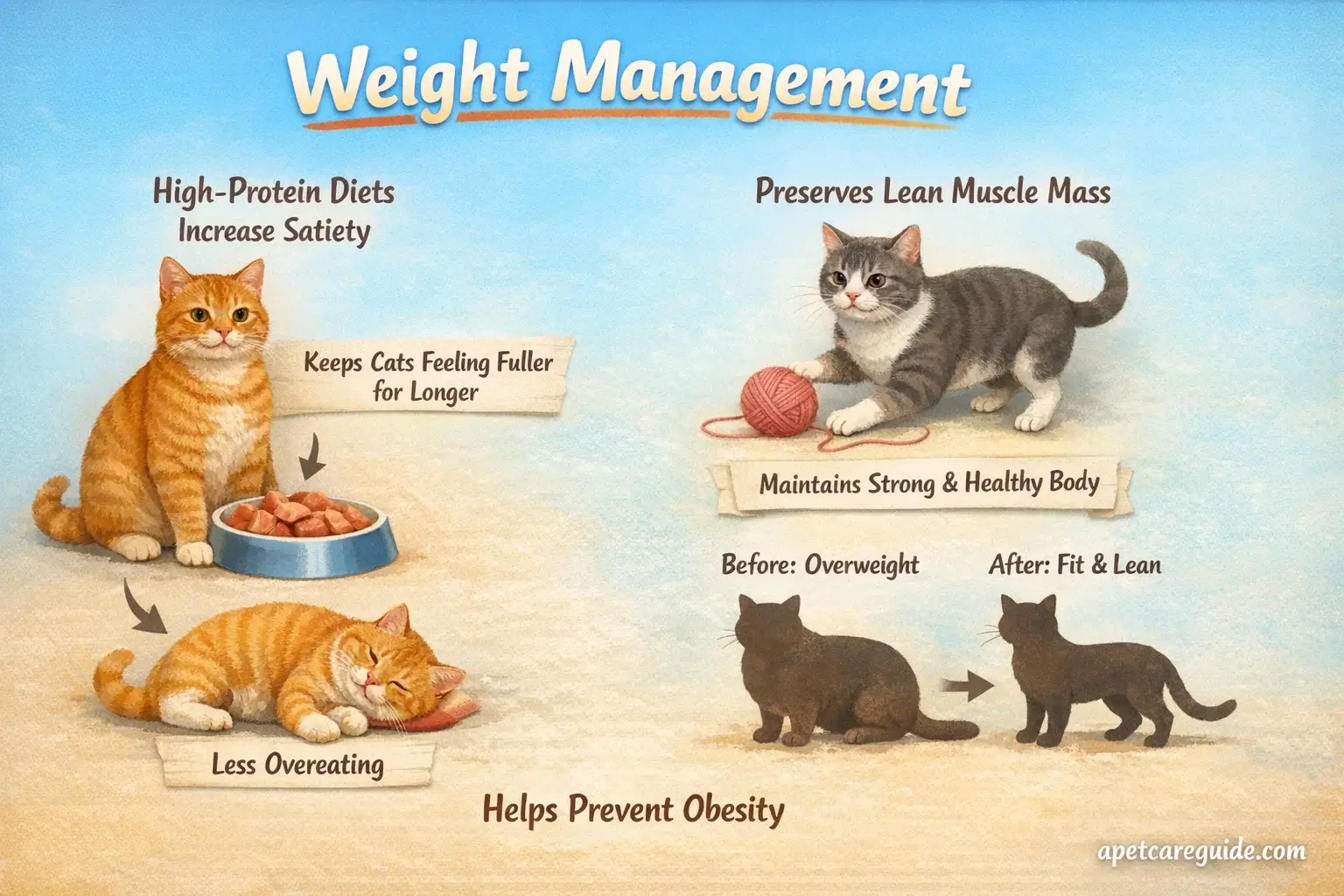
Helps With Healthy Weight Management
Meat keeps felines feeling full. One mistake many pet owners make is feeding high-carb kibble to overweight pets. The carbs just turn into fat. I made this error with my first cat, feeding him cheap dry bits until he got chubby. Switching to low-carb, meat-rich wet cans helped him drop the extra pounds naturally.
Improves Energy Levels and Activity
Calories from meat give felines clean, steady energy. Unlike sugar crashes from carbs, animal fats keep them active all day. I noticed a huge shift in my lazy older cat when I changed his menu. He went from sleeping 20 hours a day to chasing toy mice around the living room like a young kitten again.
Promotes Healthy Skin and a Shiny Coat
Animal fat and meat amino acids directly feed your pet’s skin and fur. A dull coat usually means a poor diet. In my experience, a feline eating mostly fish or chicken gets a glossy, soft coat within weeks. I used to brush a lot of dandruff off my long-haired cat until I upgraded her meals to real meat.
Supports Senior Cat Health and Mobility
Older felines lose muscle mass as they age. Extra meat helps them stay strong. One mistake many pet owners make is switching seniors to low-calorie diets that also lack meat. I did this with my 12-year-old cat, and his back legs grew weak. Once my vet suggested adding more turkey and chicken, he started walking up the stairs more easily.
Helps Indoor Cats Stay Fit
Indoor felines sleep a lot and burn fewer calories. Meat-heavy meals give them nutrition without packing on fat from extra carbs. I personally prefer using a high-meat diet for my apartment cat because he cannot hunt outside. This keeps him lean and muscular, even though his biggest daily workout is running to the food bowl.
Best Protein Sources for Cats
Not all meats are equal. Picking the right animal sources ensures your pet gets the exact amino acids they need without upsetting their stomach.
Chicken-Based Cat Food
Chicken is lean, easy to digest, and packed with amino acids. Most felines love the taste naturally. I personally prefer starting with chicken when trying a new brand. I noticed my sensitive-stomach tabby handles chicken much better than richer meats. It gives her great energy and never causes tummy trouble after dinner.
Turkey as a Lean Protein Source
Turkey acts as an excellent alternative to chicken. It stays very lean and works wonderfully for overweight felines. In my experience, turkey-based pate fills my cat up quickly without adding extra fat to his waistline. I often use it as a rotation meat to keep him from getting bored with his daily meals.
Salmon and Fish-Based Protein Benefits
Fish provides massive amounts of omega fatty acids for a shiny coat. I limit fish to a few times a week because some felines get addicted to the strong smell. I noticed my rescue cat would refuse all other meats if I gave him salmon too many days in a row.
Beef and Lamb for Muscle Support
Beef and lamb offer rich, heavy nutrition perfect for highly active or underweight felines. These red meats build muscle fast. I personally prefer feeding beef as a winter meal when my cats seem to burn more energy staying warm. Just watch their weight, as these meats contain higher fat levels than poultry.
Organ Meats and Animal By-Products Explained
Liver, heart, and kidney hold massive amounts of vitamins. In the wild, cats eat the whole animal. I noticed people often think “by-products” mean bad quality, but clean organ meat is a pure superfood. I always look for labels that specifically name the organs, like “chicken liver,” so I know exactly what my cat eats.
Animal Protein vs Plant Protein in Cat Food
Felines cannot absorb plant materials well. Peas, corn, and soy just pass through their systems. One mistake many pet owners make is buying cheap food that boosts its label numbers using pea powder. I strictly avoid plant-heavy bags because my cat always ends up with digestive issues and loose stools when he eats them.
Wet vs Dry High-Protein Cat Food
Choosing between crunchy kibble and soft canned meals changes how your pet stays hydrated and processes their daily meat intake.
Benefits of Wet Cat Food
Canned meals provide crucial moisture. Felines rarely drink enough water from a bowl. In my experience, feeding wet meals prevents serious urinary tract infections. I lost a cat to kidney issues years ago, so now I strictly feed wet, meat-heavy pate to make sure my current pets stay hydrated and healthy.
Benefits of Dry Cat Food
Kibble offers convenience and a crunch that some felines crave. You can leave it out during the day without it spoiling fast. I personally prefer using a tiny amount of meat-rich dry kibble inside puzzle toys. This gives my cat a fun hunting game while I work, keeping his brain active.
Comparison: Wet vs Dry Food
One mistake many pet owners make is assuming dry food cleans teeth while ignoring the huge dehydration risks. Here is how they compare:
| Feature | Wet Cat Food | Dry Cat Food |
| Which Option Contains More Protein? | Generally higher pure meat content per calorie. | Often uses plant fillers to hold kibble shape. |
| Moisture Content and Hydration Benefits | Over 70% water, prevents urinary issues. | Under 10% water, requires separate drinking. |
| Mixing Wet and Dry Food Safely | Great base for adding a crunch on top. | Watch the portion size to avoid overfeeding. |
How to Choose the Best High-Protein Cat Food
Picking the right bag or can feels overwhelming. You just need to check the back label and know exactly what your pet requires.
Reading Cat Food Labels Correctly
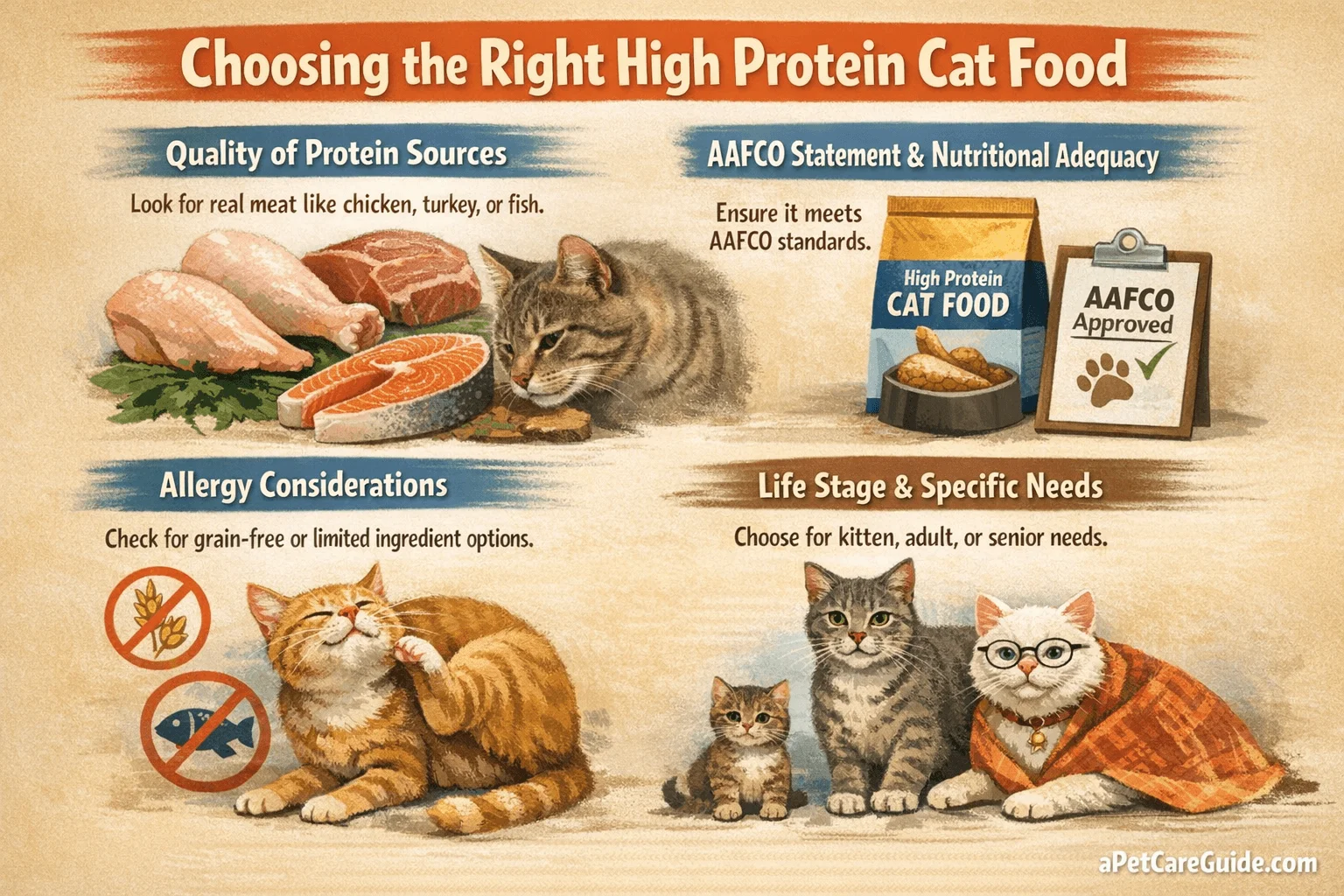
Ignore the fancy marketing on the front. Always turn the bag over and look at the first three ingredients. They should always be real meat, like chicken, turkey, or salmon. If you see corn, wheat, or meat meal listed first, put it back on the shelf.
Checking Crude Protein Percentage
The guaranteed analysis panel tells you the exact numbers. Look for a minimum of 30% crude protein in dry bags, though 40% is much better. For wet cans, the math looks different due to the water content, but you generally want the highest meat number possible compared to the fat and carb percentages.
Avoiding Artificial Fillers and Additives
Dyes and fake flavors do nothing for your pet. One mistake many pet owners make is buying brightly colored kibble. Cats do not care about color. I made this error years ago, and my cat developed terrible skin allergies. Once I switched to a natural, dye-free meat diet, his skin cleared up entirely.
Understanding Grain-Free VS. High-Protein Diets
| Diet Type | Key Focus | Best For |
| Grain-Free | Removes wheat, corn, and rice. | Cats with specific grain allergies. |
| High Protein | Focuses on maximum animal meat. | Building muscle and overall health. |
| Combined | No grains, heavy meat content. | Creating an ancestral, natural diet. |
Selecting Food for Indoor vs Outdoor Cats
Outdoor hunters burn massive calories and need heavy, rich meats like beef. Indoor pets need leaner options like turkey to avoid getting fat. I noticed my indoor tabby gained weight fast when I fed him a calorie-dense outdoor formula. I quickly switched him back to an indoor lean-chicken recipe.
High-Protein Cat Food for Different Cat Ages
Your pet changes as they grow. Their meat and calorie needs shift from their active kitten days to their sleepy senior years.
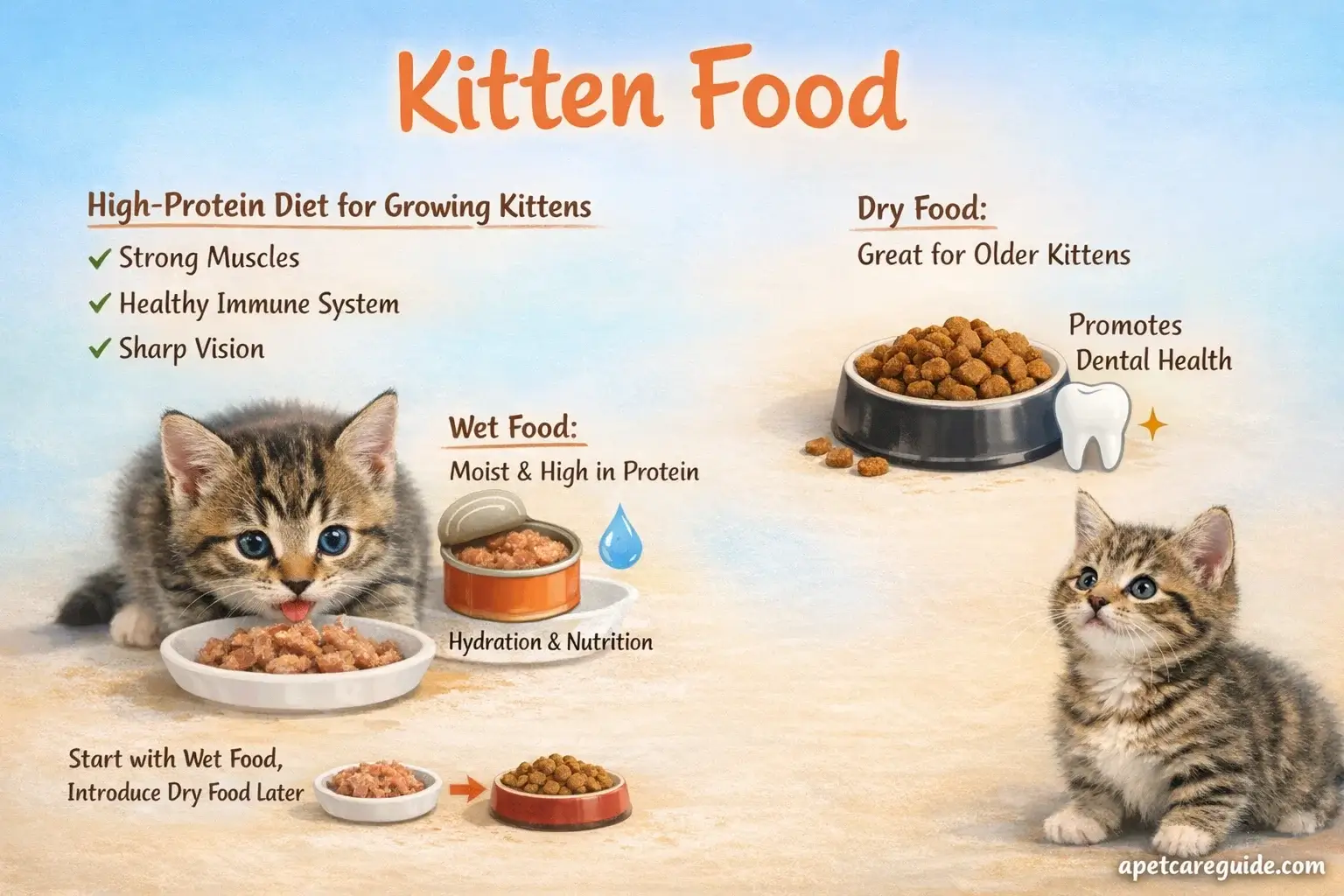
High-Protein Kitten Food Needs
Growing babies need massive amounts of amino acids to build their bones and brains. One mistake many pet owners make is feeding kittens adult food too soon. I did this with my rescue kitten, and he stopped growing for a month. Once I switched him back to meat-dense kitten pate, he shot up in size.
Adult Cat Protein Requirements
Once fully grown, they need steady meat levels to maintain their muscles without getting fat. One mistake many pet owners make is free-feeding kibble all day. I used to leave a giant bowl out, and my adult cat got very lazy and heavy. Measuring out specific meat-rich meals keeps them trim and active.
Senior Cat Nutrition and Protein Intake
Old felines need highly digestible meat because their stomachs grow sensitive. One mistake many pet owners make is drastically lowering their meat intake. I noticed my older cat losing weight rapidly until I found a senior-specific wet food packed with soft, easy-to-digest chicken. He immediately gained back his strength.
Protein Needs for Pregnant or Nursing Cats
Mother felines need almost as much meat as growing kittens to produce milk. One mistake many pet owners make is keeping a pregnant cat on her normal diet. When my foster cat had babies, she grew incredibly thin. I immediately switched her to a heavy-meat kitten formula, and she finally produced enough milk.
Is High-Protein Cat Food Good for Weight Loss?
Meat helps felines feel full longer, stopping them from begging for extra snacks. High-protein, low-carb food forces their bodies to burn fat instead of storing sugars. By using strict portion control and feeding scheduled meals instead of leaving food out all day, you can easily help your chunky pet slim down safely.
Common Weight Loss Mistakes Cat Owners Make
One mistake many pet owners make is starving their pets to force weight loss. This ruins their liver. I once cut my cat’s food too drastically, and he became incredibly sick and lethargic. You must keep their meat intake high while only slightly reducing the total calories. Slow, steady weight loss works best.
Common Ingredients to Avoid in Cat Food
Cheap bags fill their recipes with junk that harms your pet over time. You must carefully watch out for these dangerous additions.
Artificial Colours and Preservatives
Chemicals like BHA, BHT, and food dyes cause major health issues. In my experience, cats simply do not care what their bowl looks like. I strictly buy foods preserved with natural mixed tocopherols (Vitamin E). I noticed a huge drop in my pet’s stomach upsets once I threw out all the neon-colored treats.
Excessive Corn, Wheat, and Soy Fillers
Cheap brands use plant grains because meat costs more. Felines cannot process these heavily. In my experience, feeding a cat corn-heavy kibble leads directly to a fat, sluggish pet with dull fur. I always check the label to ensure no corn or soy sits in the top five ingredients.
Low-Quality Meat Meals
Generic labels like “meat meal” or “animal digest” mean you do not know what animal you are feeding your pet. I noticed my cat refused to eat brands with vague meat sources. I personally prefer seeing “chicken meal” or “salmon meal” so I know exactly what goes into his stomach every single day.
Hidden Sugars and Unnecessary Carbohydrates
Some brands add corn syrup or sugar to make the food taste addictive. Felines cannot even taste sweetness properly! I was shocked to find sugar in my old cat’s gravy packets. Cutting out these hidden carbs stopped his random energy crashes and completely fixed his sensitive digestion.
Grain-Free vs. High-Protein Cat Food
| Consideration | Details |
| Are Grain-Free Diets Necessary for Cats? | Not always, but they mimic a wild feline’s natural, no-grain diet. |
| Potential Benefits of Grain-Free Cat Food | Often easier to digest and causes fewer skin allergies. |
| Possible Risks and Misconceptions | Some grain-free bags replace grains with heavy peas or potatoes, adding unwanted carbs. |
| Which Cats May Benefit Most? | Felines with diagnosed grain allergies or those needing a strict low-carb routine. |
High Protein Cat Food for Sensitive Stomachs
Some felines throw up easily. One mistake many pet owners make is switching brands too fast, causing more stomach upset. I noticed my cat did much better when I picked a single-source meat, like pure rabbit or duck, and stuck with it. Clean meat without heavy plant fillers fixes most tummy issues naturally.
Homemade High-Protein Cat Food
Cooking your pet’s meals sounds fun, but it requires strict science. You cannot just feed them leftover chicken breast from your own dinner plate.
Can I Make Cat Food at Home Safely?
You can, but you must follow exact recipes. One mistake many pet owners make is feeding plain boiled chicken, which lacks calcium and taurine. I tried making my own cat food once without a guide, and my cat got very weak. You must balance the meat with specific organ and bone ratios.
Essential Nutrients Cats Need
Pure muscle meat is never enough. They require bone calcium, liver vitamins, and heart taurine. In my experience, buying a pre-made nutritional powder to mix into raw or cooked meat works best. This guarantees your pet gets every single vitamin they would naturally find inside a wild mouse or bird.
Vet-Approved Homemade Cat Food Tips
Always talk to your animal doctor before cooking. They will give you safe recipes. I personally prefer taking my custom recipe straight to my vet for a quick review. They helped me adjust the fat content so my indoor cat would not gain weight from my homemade turkey blend.
Toxic Protein Cat Food
Never feed your pet raw meat meant for humans without proper handling. One mistake many pet owners make is giving cats deli meats packed with salt, garlic, and onion powder. Garlic destroys feline red blood cells. I once saw a friend rush her cat to the emergency room after feeding him spiced sausage leftovers.
How to Transition Your Cat to High-Protein Food
Cats hate sudden changes. You must trick their stomachs by slowly mixing the fresh meat diet into their old meals over a week.
Here is the exact schedule I follow. It’s simple and it works:
| Day | Old Food | New High Protein Food |
| Day 1-2 | 75% | 25% |
| Day 3-4 | 50% | 50% |
| Day 5-6 | 25% | 75% |
| Day 7+ | 0% | 100% |
Some extra-sensitive cats might even need 10 to 14 days. You know your cat best. If you see any tummy trouble, just slow down and go back a step for a day or two.
Gradual Feeding Transition Schedule
Start with 25% new food and 75% old food for three days. One mistake many pet owners make is swapping the bowls overnight. I did this, and my cat had terrible diarrhea. Take at least ten days to fully switch the bowl. Your patience keeps their stomach completely calm.
Signs Your Cat Likes the New Food
A happy feline will clean their bowl and have solid bathroom trips. One mistake many pet owners make is assuming a cat hates the food if they sniff it and walk away at first. I noticed my picky tabby needs a few days of smelling the new chicken pate before she finally eats it happily.
Common Digestive Issues During Transition
You might see soft stools or mild throwing up if you move too fast. One mistake many pet owners make is panicking and switching back immediately. I noticed that if I just slow down the mixing process and add a little feline probiotic powder, my cat’s stomach settles down perfectly within two days.
Potential Risks of Too Much Protein for Cats
One mistake many pet owners make is ignoring kidney health. While protein does not cause kidney disease, older felines with existing kidney issues struggle to process huge meat loads. Overfeeding highly dense meat also leads to obesity concerns. Always focus on balanced nutrition and commit to monitoring your cat’s health regularly with blood work.
Core Nutrition of High-Protein Cat Food
Great meals do more than just provide energy. They pack a heavy punch of vitamins and amino acids that keep the entire body functioning properly.
Real Meat as the First Ingredient
The first item in the bag makes up the bulk of the meal. I always check for named meats like deboned chicken or wild salmon. In my experience, bags that start with real meat keep my cats full for much longer than bags starting with wheat or mysterious meat meals.
Taurine for Heart and Eye Health
Felines cannot make taurine. They must eat it through animal meat. Without it, they go blind and suffer heart failure. I noticed premium meat cans always highlight their taurine levels. I personally prefer checking the label to guarantee my pet gets this exact amino acid in every single bite.
Omega-3 and Omega-6 Fatty Acids
These fats protect joints and make fur glossy. Fish oil acts as the best source. In my experience, adding a few drops of pure salmon oil to my cat’s dinner totally cleared up his dry, flaky skin. A good meat-heavy meal naturally includes these fats right in the mix.
Essential Vitamins and Minerals
Calcium, phosphorus, and vitamin A support bone strength and night vision. Meat-heavy meals usually include ground bone or synthetic vitamins to match a wild diet. I noticed my older cat stayed much more agile once I ensured his daily meat meals had the exact right calcium balance for his aging bones.
Probiotics and Digestive Support Ingredients
Good bacteria help felines digest heavy meat meals. Many premium brands spray probiotics on the kibble after cooking. I personally prefer buying foods with added pumpkin or specific gut bacteria. It stops my sensitive cat from getting an upset tummy and keeps the litter box smelling a lot better.
Expert Tips for Feeding Cats a High Protein Diet
Managing a meat-heavy menu takes a little planning. Following a few simple daily rules ensures your furry friend gets maximum health benefits.
Monitoring Body Condition and Weight
One mistake many pet owners make is just guessing their pet’s weight. I weigh my cat monthly on a baby scale. You should feel their ribs slightly, but not see them. If my cat starts looking round, I immediately cut back his meat portions slightly to keep him fit.
Providing Fresh Water Daily
Heavy meat diets require massive hydration to protect the kidneys. One mistake many pet owners make is placing the water bowl right next to the food. I noticed my cat drinks twice as much water since I moved his water fountain into the living room, far away from his dinner plate.
Combining Nutrition with Regular Exercise
Meat gives them fuel, but they need to burn it. One mistake many pet owners make is ignoring playtime. I use a laser pointer or a feather wand for fifteen minutes every night before dinner. It forces my indoor cat to run and jump, building strong muscles from his meat diet.
Scheduling Routine Vet Checkups
A vet must check their organ function yearly. One mistake many pet owners make is skipping blood work for healthy-looking pets. I caught my older cat’s mild kidney issue early just through a routine test. This let me safely adjust his meat intake before he ever got truly sick.
FAQ About High-Protein Cat Food
Is a High-Protein Diet Good for Cats?
Absolutely! A high-protein diet is essential for your cat’s health, energy, and overall well-being. Just make sure you choose high-quality protein sources and balance the diet according to your cat’s specific needs.
What Protein Is Best for Cats?
When it comes to protein, cats are obligate carnivores, meaning their bodies need animal-based protein to thrive. Chicken, turkey, beef, and fish like salmon or tuna are all excellent sources of protein for cats. These protein sources provide the essential amino acids that a cat’s body can’t make on its own.
Are eggs healthy for cats?
Eggs are a fantastic source of protein for cats! They’re packed with essential amino acids, vitamins, and minerals that support your cat’s overall health. Plus, they’re easily digestible, which is perfect for cats with sensitive stomachs. However, make sure to cook the eggs fully to avoid any risk of salmonella, and always serve them plain—no seasoning.
Can I Feed My Cat Too Much Protein?
Too much protein isn’t a huge concern for most healthy cats, but overfeeding can lead to weight gain and potential kidney stress, especially in older cats. While protein is important, balance is key. A high-protein diet should be paired with a well-rounded nutrient mix. Keep an eye on portion sizes and overall calorie intake.
How Do I Know If My Cat Needs More Protein?
If your cat is lethargic, has a dull coat, or is losing muscle mass, it may not be getting enough protein. You’ll notice weight loss, reduced appetite, or weakness, which can be signs of a protein deficiency. If you see any of these symptoms, it’s a good idea to talk to your vet to see if a protein boost is needed.
How Long Can Cats Go Without Protein?
Cats can survive without protein for a limited time, but it’s not sustainable in the long run. Without sufficient protein, their bodies start breaking down muscle tissue for fuel, which can lead to serious health problems like organ failure. It’s crucial to provide a consistent source of protein to keep them healthy.
Is 40% Protein Too Much for Cats?
A diet with 40% protein might sound like a lot, but it’s not necessarily too much for most healthy adult cats. However, very high-protein diets may not be ideal for senior cats or those with kidney issues. It’s always best to tailor your cat’s protein intake to their individual health needs. In general, aim for protein levels around 30-40% in their diet.
What Is the Best Protein for Homemade Cat Food?
When preparing homemade food for your cat, the best proteins are lean meats like chicken, turkey, or beef. You can also include fish like salmon or mackerel for a change in taste and nutrition. Avoid using processed meats or anything too fatty, as they can upset your cat’s digestion.
Will High-Protein Make My Cat Gain Weight?
A high-protein diet doesn’t automatically lead to weight gain. In fact, protein helps keep a cat feeling full, which can reduce overeating. However, if your cat’s calorie intake exceeds their energy needs, they could still gain weight. Portion control and regular exercise are key factors in keeping your cat healthy and maintaining their ideal weight.
What Is the Best Food for Cats to Gain Weight?
If your cat needs to gain weight, look for foods that are high in protein and fat. Wet foods are often a good option, as they are higher in calories than dry kibble. Brands like Hill’s Prescription Diet or Royal Canin offer weight gain formulas that provide extra nutrients and calories, helping your cat build lean muscle mass.
High-Protein Cat Food: Final Thoughts
Incorporating high-protein cat food into your feline’s diet can lead to improved health, stronger muscles, better skin and coat, and reduced risk of health problems like diabetes. Whether you’re feeding an active kitten or a senior cat, a high-protein diet can make all the difference. Always consider quality over quantity and make sure to choose a food that fits your cat’s life stage. Be sure to consult your vet, monitor your cat’s health, and give them time to adjust to their new diet. Your cat will thank you with a longer, happier, and healthier life!