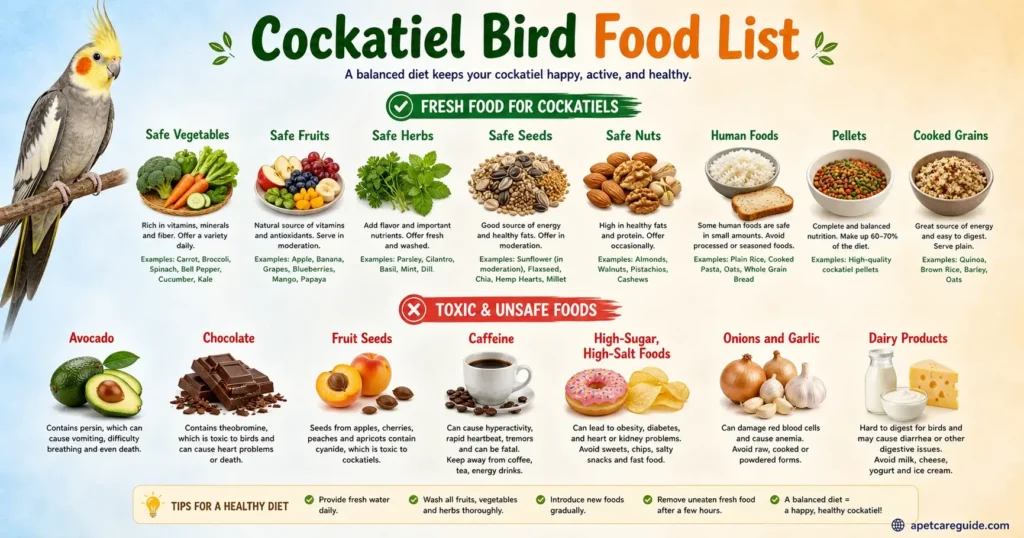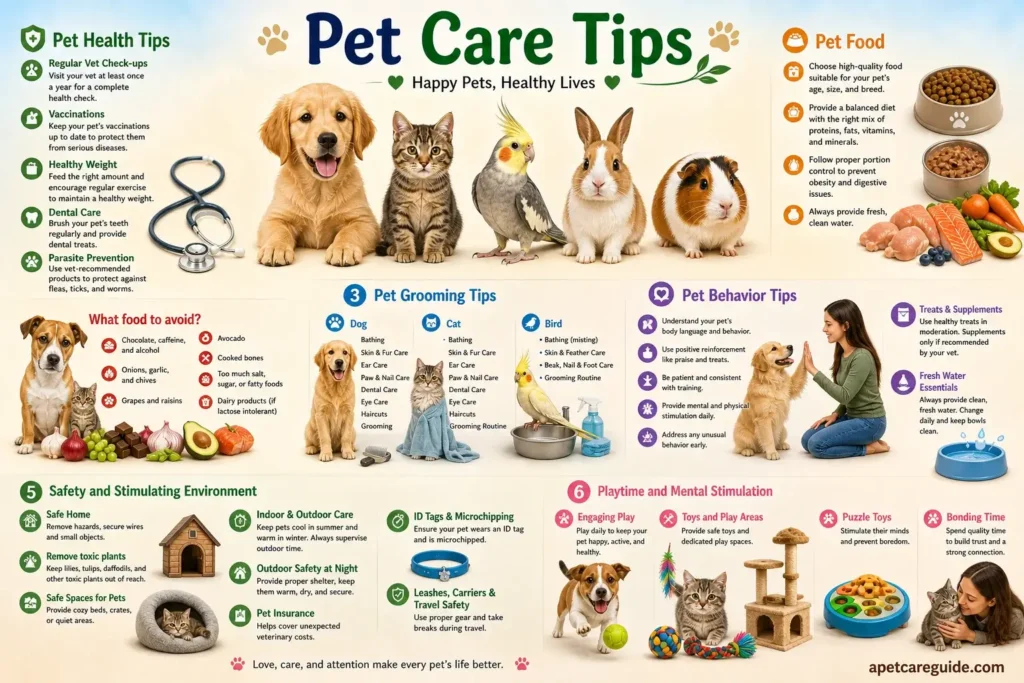
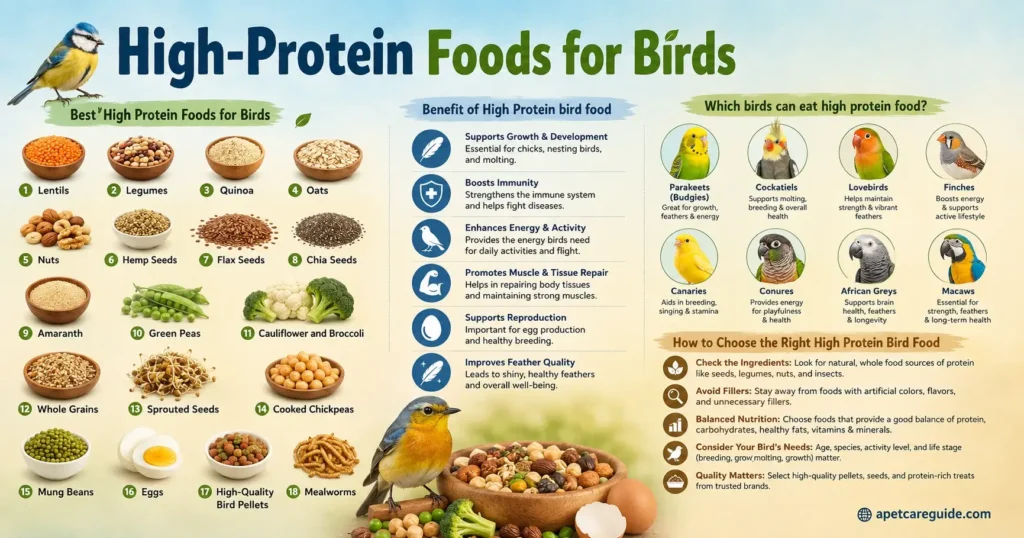


Feeding our feathered friends properly takes a bit of practice. In my experience, finding the right high-protein bird food makes a huge difference in their daily energy and happiness. I remember struggling to get my first cockatiel to eat anything but basic seeds. Once I learned how to mix in healthy proteins, his feathers grew back brighter than ever. This guide covers the best protein sources, how to feed them safely, and small mistakes I made so you can avoid them.
Short List of High-Protein Bird Food
Here I share a quick, short list of high-protein bird food for you.
- Lentils
- Legumes
- Hemp Seeds
- Chia Seeds
- Amaranth
- Sprouted Seeds
- Cooked Chickpeas
- Eggs
- High-Quality Bird Pellets
- Mealworms
What Is High Protein Bird Food?
High-protein bird food includes natural seeds, grains, legumes, and safe animal products packed with amino acids. These foods help rebuild tissues and maintain daily health. I noticed a fast improvement in my flock’s vitality once I stepped away from plain seed mixes and offered real protein.
Why protein is important for birds
Birds need protein for strong muscle growth and steady daily energy. It also acts as the main building block for feather health and smooth molting. Plus, sick, growing, or breeding birds require extra protein for fast recovery and steady support during stressful life stages.
Best High Protein Foods for Birds
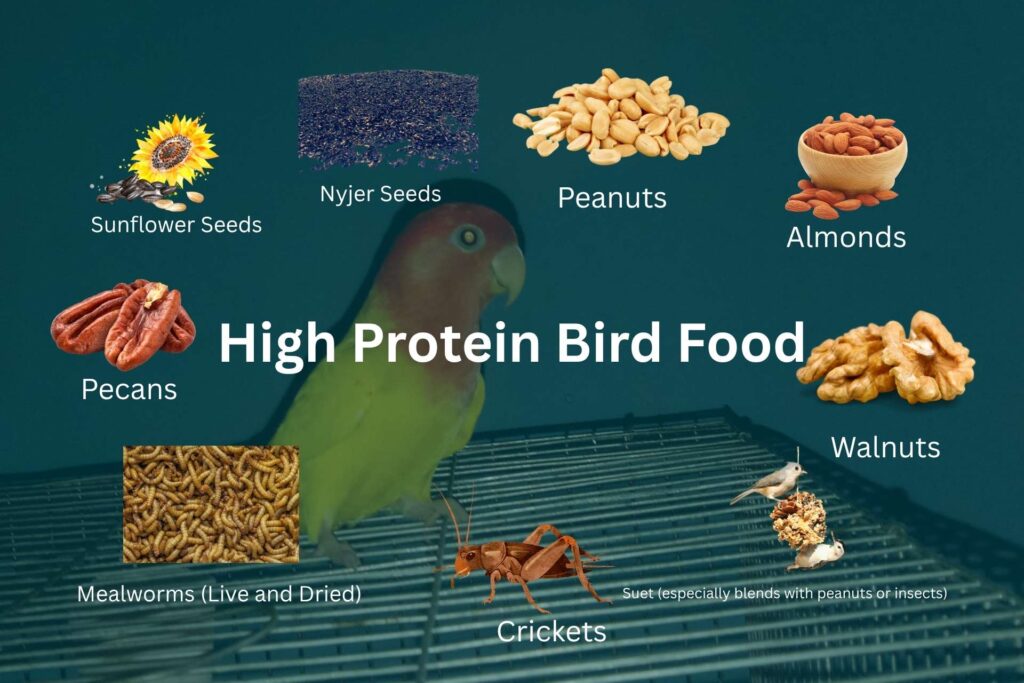
Finding safe and natural protein sources feels overwhelming at first. I personally prefer offering a mix of fresh foods, grains, and safe seeds. Giving your pet a varied diet prevents boredom and gives them exactly what their bodies crave. Here are my favorite choices.
Lentils
Lentils provide a fantastic, easy-to-digest source of plant-based protein. They benefit birds by offering natural energy without unhealthy fats. You need these in your feeding routine because they boil quickly and mix perfectly into soft food bowls. Some birds may refuse them raw, so I always cook or sprout them first. This makes the nutrients easier to absorb.
Legumes
Beans and other legumes pack a heavy protein punch. They benefit your pet by supporting steady muscle maintenance and keeping them full. Your flock needs these to balance out a seed-heavy diet. One mistake many pet owners make is feeding raw beans, which are toxic. Always soak and cook legumes thoroughly without salt. I mash them up slightly for smaller birds.
Quinoa
Quinoa acts as a complete protein, meaning it has all the essential amino acids. It benefits birds by offering premium building blocks for tissues. You need this grain because it cooks fast and mimics the texture of seeds. I often serve warm quinoa on cold mornings, and my birds rush to the bowl. It digests easily and rarely causes stomach upset.
Oats
Plain oats offer a great mix of protein and calming carbohydrates. They benefit your bird by providing slow-release energy throughout the day. You need oats because they work perfectly as a base for wet food mixes. I noticed my parrots love rolled oats mixed with chopped fruit. Just avoid instant oatmeal packs, as they contain dangerous amounts of sugar.
Nuts
Nuts deliver intense protein and healthy fats. They benefit birds by keeping their skin soft and beaks strong through natural cracking. You need these as high-value training treats or occasional snacks. Because they carry a lot of calories, I keep portions small. Walnuts and almonds work best in my experience. Always buy unsalted, human-grade nuts to keep your pet safe.
Hemp Seeds
Hemp seeds carry an incredible amount of protein and healthy omega fatty acids. They benefit birds by directly supporting brain health and vibrant feathers. You need hemp seeds if your bird looks a bit dull or lacks energy. I usually sprinkle a tiny pinch over their daily chopped vegetables. They have a soft shell, making them easy for tiny birds to crack.
Flax Seeds
Flax seeds provide superb plant protein and joint-supporting oils. They benefit older birds by keeping them agile and comfortable. You need these to boost the nutritional value of standard meals. I personally prefer grinding them slightly before serving. Whole flax seeds sometimes pass right through the digestive system without breaking down. A light dusting on their fresh food works wonders.
Chia Seeds
Chia seeds soak up water and offer a highly digestible protein boost. They benefit your flock by supporting hydration and smooth digestion. You need them because they require zero preparation. Just sprinkle them dry or let them soak in a little water to form a gel. My cockatiels love pecking at wet chia seeds. They add pure nutrition without adding bulk.
Amaranth
Amaranth is an ancient grain loaded with protein and calcium. It benefits your bird by strengthening their bones while building muscle. You need amaranth to introduce variety into their grain bowls. I pop amaranth in a dry pan like tiny popcorn, and it drives my birds crazy with excitement. It serves as a fun, crunchy, and highly nutritious foraging treat.
Green Peas
Green peas bring a sweet flavor and decent protein to the food bowl. They benefit birds by providing eye-supporting vitamin A along with muscle-building nutrients. You need peas because most birds naturally love their taste and texture. I thaw frozen peas and pop them out of their skins for smaller birds. They make a fantastic, mess-free, fresh snack during training.
Cauliflower and Broccoli
These green veggies hide a surprising amount of protein and tons of fiber. They benefit birds by keeping their gut moving smoothly. You need broccoli and cauliflower to replicate the fresh plant matter they eat in the wild. I noticed my conure loves holding broccoli florets in his feet. Serve them raw or lightly steamed, but never mushy.
Whole Grains
Whole grains like brown rice and barley provide steady, protein-rich energy. They benefit your pet by keeping them active all day without sugar spikes. You need whole grains to replace empty-calorie white seeds. I cook a large batch of mixed grains on Sundays and freeze small portions. It makes daily feeding incredibly easy and keeps my birds in top shape.
Sprouted Seeds
Sprouting unlocks the stored protein inside plain seeds. It benefits birds by turning a fatty seed into a living, nutrient-dense plant. You need sprouts because they are the closest thing to natural wild bird food. I started sprouting sunflower seeds in a jar, and the process only takes a few days. Always rinse them well to prevent harmful mold.
Cooked Chickpeas
Chickpeas offer a dense, satisfying bite of pure protein. They benefit larger birds by giving them something substantial to hold and chew. You need cooked chickpeas to bulk up their fresh food mix safely. I buy dried chickpeas, soak them overnight, and boil them until totally soft. Never feed them raw. Mashed chickpeas also work great for older birds.
Mung Beans
Mung beans sit near the top of the list for safe, protein-packed legumes. They benefit your flock by aiding digestion and supporting quick feather repair. You need them because they sprout faster than almost any other bean. I personally prefer serving them as tiny, crunchy sprouts. They add a fresh, earthy flavor that most pet birds accept very quickly.
Eggs
Boiled eggs provide perfect, complete animal protein. They benefit breeding or recovering birds by delivering instant, high-quality building blocks. You need eggs during stressful times like heavy molting. I mash hard-boiled eggs, including the clean, crushed shell, for extra calcium. Keep in mind that eggs spoil fast at room temperature. I always remove the bowl after an hour.
High-Quality Bird Pellets
Pellets offer scientifically balanced protein in every bite. They benefit your pet by preventing picky eating and ensuring no nutritional gaps. You need a good pellet to form the base of your bird’s daily diet. Transitioning takes time. I slowly mixed pellets into my bird’s old food over three weeks. Pick a brand with natural colors and no heavy sugars.
Mealworms
Dried or live mealworms supply fantastic insect protein. They benefit softbills, finches, and even some parrots by mimicking their wild insect-hunting habits. You need mealworms if your species naturally eats bugs. I noticed my smaller birds go crazy for dried mealworms crushed into their regular food. Just feed them in moderation, as they carry quite a bit of fat.
Benefits of High-Protein Bird Food
Adding the right amount of protein changes a bird’s entire appearance and mood. I noticed huge improvements in my flock’s daily behavior once their diet improved. From brighter colors to better playtime stamina, proper nutrition does wonders. Here are the main benefits you will see.
Healthy Feather Growth
Feathers consist almost entirely of a protein called keratin. Providing enough high protein bird food ensures your pet grows smooth, vibrant, and strong feathers. In my experience, birds lacking protein look ragged and lose their natural shine. Giving them proper nutrients stops brittle feathers from breaking.
Strong Muscle Development
Birds burn massive amounts of energy just flying around the house. High protein meals repair those flying muscles and keep their chests strong. I noticed my rescued parrot gained back his missing chest muscle only after I introduced cooked eggs and grains. Strong muscles prevent weak, wobbly landings.
Increased Energy and Activity
A protein-rich diet keeps birds active and alert. While seeds give quick fat-based energy, protein provides long-lasting fuel. Some pets may sit quietly in the corner if they lack proper food. Once I balanced their meals, my birds started singing more and playing with their toys actively all day.
Better Immune System Support
Protein builds the antibodies that fight off minor illnesses. A well-fed bird recovers quickly from cold drafts or small stresses. One mistake many pet owners make is waiting until a bird looks sick to improve their food. Daily protein keeps their natural defenses strong and ready for anything.
Support During Molting and Breeding
Molting drains a bird’s body of energy and resources. They need intense protein to push out thousands of new feathers quickly. Breeding hens also require extra protein to form healthy eggs. I always increase the amount of sprouts and boiled eggs in my birds’ bowls during molting season.
Signs Your Bird Needs More Protein
Birds hide their health problems very well. By the time they look sick, they really need help. I watch my flock closely for tiny changes in their feathers or daily habits. Recognizing these signs early allows you to fix their diet fast.
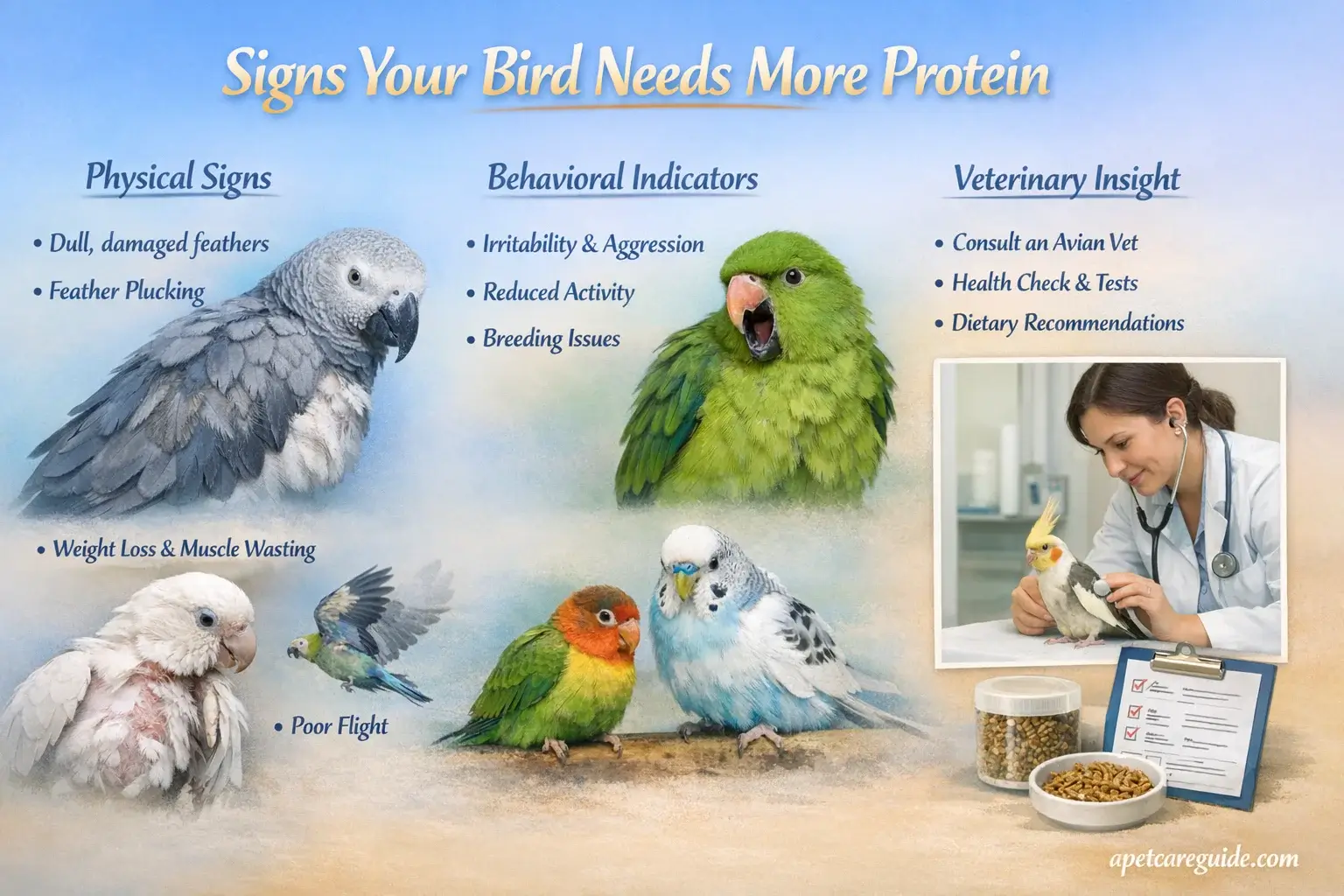
Physical Signs
- Feathers that look dull, have stress bars (lines running across them), or an uneven molt pattern.
- Unexplained feather plucking or chewing.
- A general lack of energy or noticeable weight loss.
- Visible loss of muscle, especially around the chest, or difficulty with flight.
Behavioral Indicators
- Increased irritability, crankiness, or other sudden changes in behavior.
- A decrease in normal activity, like a bird that stops singing or playing.
- A lack of interest in breeding or a drop in egg-laying for female birds.
Veterinary Insight
If you see any of these signs, the best course of action is to consult with an avian veterinarian. They can perform tests to confirm a protein deficiency and give you a professional dietary plan.
Which birds can eat high-protein food?
Almost every pet bird needs protein, but the amount changes based on their size and breed. I learned early on that a macaw eats very differently from a tiny canary. Matching the protein source to your specific bird keeps them safe and perfectly healthy.
Small Birds (Canaries, Finches, Parakeets)
Small birds have fast metabolisms and require a consistent source of protein. A diet based on a high-quality pelleted high-protein bird food is a great start. You can supplement this with soft foods like cooked eggs or sprouted seeds.
Medium to Large Birds (Cockatoos, Macaws, Amazons)
These larger birds have greater protein demands, especially during their molting and breeding seasons. The best diet includes protein-rich pellets, a variety of tree nuts, and fresh, high-protein additions like cooked beans or birdie bread.
Wild Birds
The needs of wild birds vary depending on what they eat naturally. You can provide a fantastic high-protein bird food station by offering mealworms for insectivores, suet for woodpeckers and nuthatches, and sunflower hearts for a wide variety of seed-eaters.
How to Choose the Right High Protein Bird Food
Walking down the pet store aisle gets confusing with so many bright bags. I always ignore the marketing on the front and go straight to the back of the package. Learning to read labels saves you money and protects your bird’s health.
Check the ingredient list
Always read the first five ingredients on any bag of food. You want to see real grains, legumes, or pellets, not cheap fillers or artificial colors. One mistake many pet owners make is buying food filled with colorful, sugary cereal pieces. Real food looks earthy and natural.
Understand protein percentage
| Bird Type | Average Protein Need | Best Sources |
| Budgies & Cockatiels | 10% – 14% | Sprouted seeds, quinoa |
| Large Parrots | 14% – 20% | Pellets, cooked legumes, nuts |
| Breeding/Molting Birds | 20% – 24% | Boiled eggs, mealworms |
Look for added vitamins and minerals
A good high protein bird food should also contain calcium and vitamin D3. Birds need these exact vitamins to actually process the protein they eat. I look for quality pellets that naturally balance these elements so I do not have to guess with liquid drops.
How to Feed High Protein Bird Food Safely
Adding new food requires a bit of patience and a lot of safety checks. You cannot just dump a bowl of beans into their cage and walk away. I stick to a few simple rules to keep my birds happy and their tummies safe.
Portion control matters
Too much protein makes birds overly aggressive or hormonal. I measure out their fresh food daily to keep their weight steady. A small parrot only needs a teaspoon of extra protein mixed with their vegetables. Keeping portions tight stops them from getting lazy and fat.
Introduce new foods slowly
Birds hate sudden changes in their food bowls. If you swap their diet overnight, they might starve themselves. I introduce new high-protein foods by mixing a tiny pinch into their familiar seeds. Gradually, I increase the good food and decrease the bad seeds over a month.
Fresh water is essential
Eating high-protein foods like pellets and dried grains makes birds incredibly thirsty. They need clean water to flush their kidneys and digest heavy meals. I change my flock’s water bowls twice a day, especially when they dunk their food into the water to soften it.
Common Mistakes Bird Owners Make
We all mess up sometimes when trying to care for our pets. I definitely made errors when I first started keeping birds. Learning from other people’s mistakes saves your bird from unnecessary stomach aches and bad habits.
Overfeeding seeds and nuts
Feeding only sunflower seeds and peanuts ruins a bird’s liver over time. These items hold too much fat and not enough real protein. I use nuts strictly for training rewards. Keep their main bowl filled with pellets and fresh chopped vegetables instead.
Ignoring species-specific needs
Treating a tiny finch like a big macaw causes massive dietary issues. Some pets may get sick if they eat too much protein built for a different species. I always double-check safe food lists for my exact type of bird before offering anything new.
Relying only on supplements
Pouring vitamin powders over bad food does not fix a terrible diet. Real, whole foods process much better in a bird’s body. I stopped buying expensive water drops and put that money toward fresh greens, grains, and high-quality pellets instead.
Expert Tips for Better Bird Nutrition
Getting nutrition right simply takes a routine. Once you build a steady habit, feeding time becomes easy and fun. I use these final tips to keep my flock thriving, active, and perfectly healthy all year long.
Rotate healthy foods
Feeding the same meal every day bores a bird quickly. I rotate between quinoa, lentils, and sprouts throughout the week. This keeps their brains active as they forage and prevents them from becoming dangerously picky eaters.
Watch body condition and behavior
You can tell a lot by feeling a bird’s chest bone. It should feel plump, not sharp. I regularly weigh my birds on a small kitchen scale to catch any hidden weight loss. A happy, well-fed bird stays active and vocal.
Consult an avian vet
Never guess when it involves serious health issues. If your bird acts weak, take them to a certified avian vet immediately. My vet helped me build a custom meal plan when my older parrot needed to lose weight and gain muscle.
FAQ About high-protein bird food
What is the ideal amount of protein for a bird?
This varies by species, age, and season. Most adult pet birds thrive on a diet containing 10-20% protein. This need increases significantly during breeding or molting.
Can I feed my bird too much protein?
Yes, an excessive amount can strain a bird’s kidneys. Balance is crucial.
Is high-protein food suitable for all bird species?
Most birds benefit, but some, like lories, have very specialized diets. Always research your specific species’ needs.
How often should I offer protein-rich food to my bird?
A high-quality pellet should be the daily foundation. You can offer additional protein boosts like mealworms or cooked eggs a few times a week, increasing frequency during demanding times.
What are the signs of protein deficiency in birds?
Key signs include poor feather quality, low energy, weight loss, and, for females, a decrease in egg-laying.
Do hummingbirds need protein?
Absolutely. While they drink sugar nectar for energy, they get essential protein by catching and eating thousands of tiny insects and spiders.
What is the cheapest high-protein bird food?
For backyard feeders, black-oil sunflower seeds often offer the best value. For pet birds, supplementing with home-cooked eggs or lentils is a very affordable way to increase protein.
Final Thoughts about high protein bird food
Finding the right high protein bird food completely changes your pet’s life. By offering cooked grains, safe legumes, and quality pellets, you protect their feathers and build strong muscles. Start slow, measure your portions, and watch your feathered friend thrive with newly discovered daily energy.