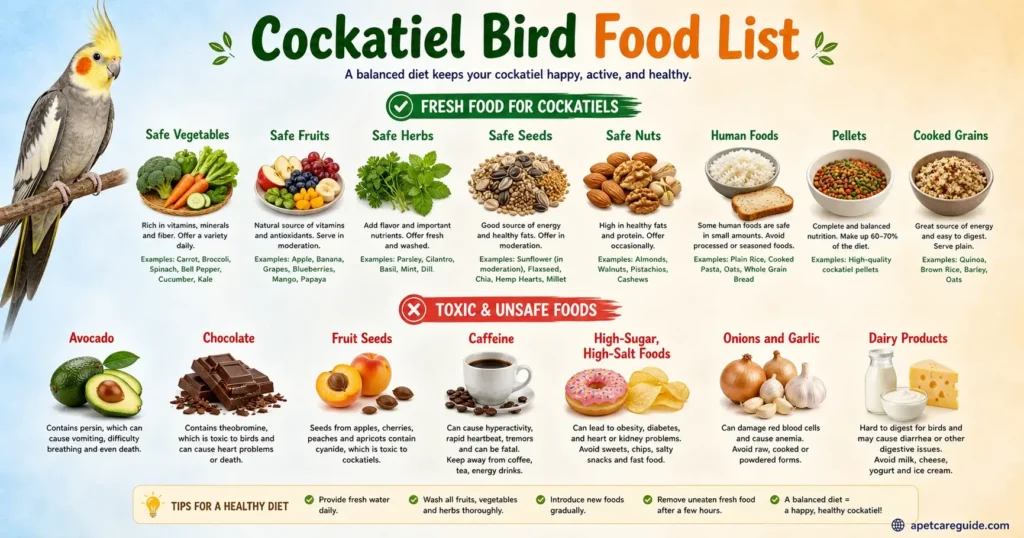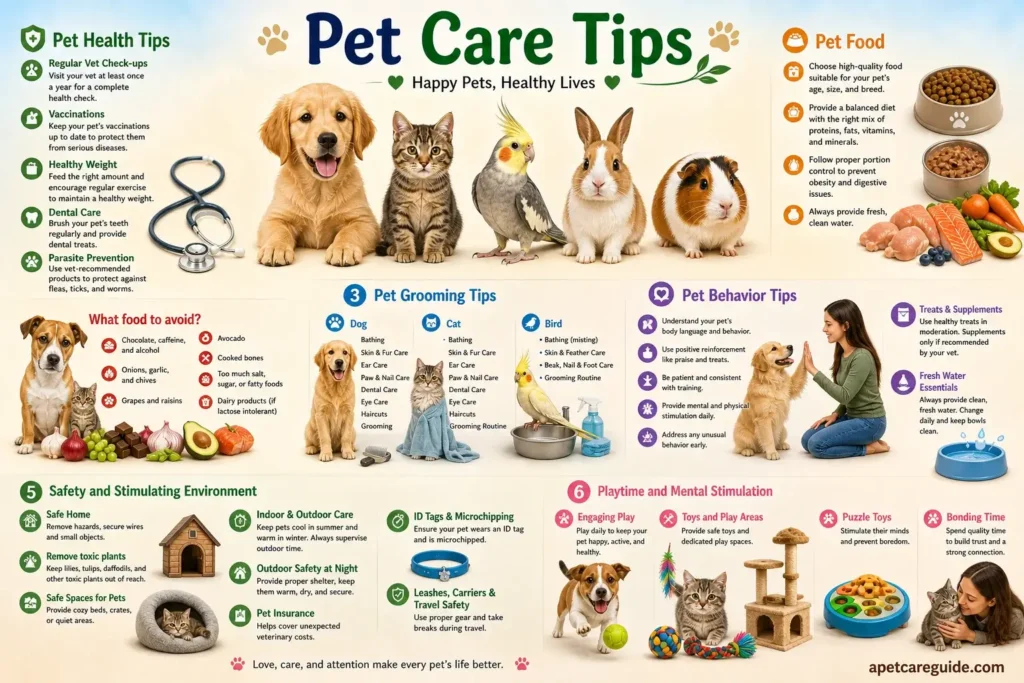


Have you ever wondered what the true secret is to a long and joyful life for your pet bird? Based on my years of experience, I can tell you that it all starts in the food bowl. A bird’s diet is the single most critical factor for its lifespan and overall well-being. A very common mistake that loving owners make is feeding only seeds, often from poor-quality mixes, which is simply not enough. This guide is my personal promise to you. It covers everything for budgies, parrots, and other pet birds, with exact food types, quantities, feeding tips, and species-specific notes. Now, A Pet Care Guide shares a perfect bird food chart for you.
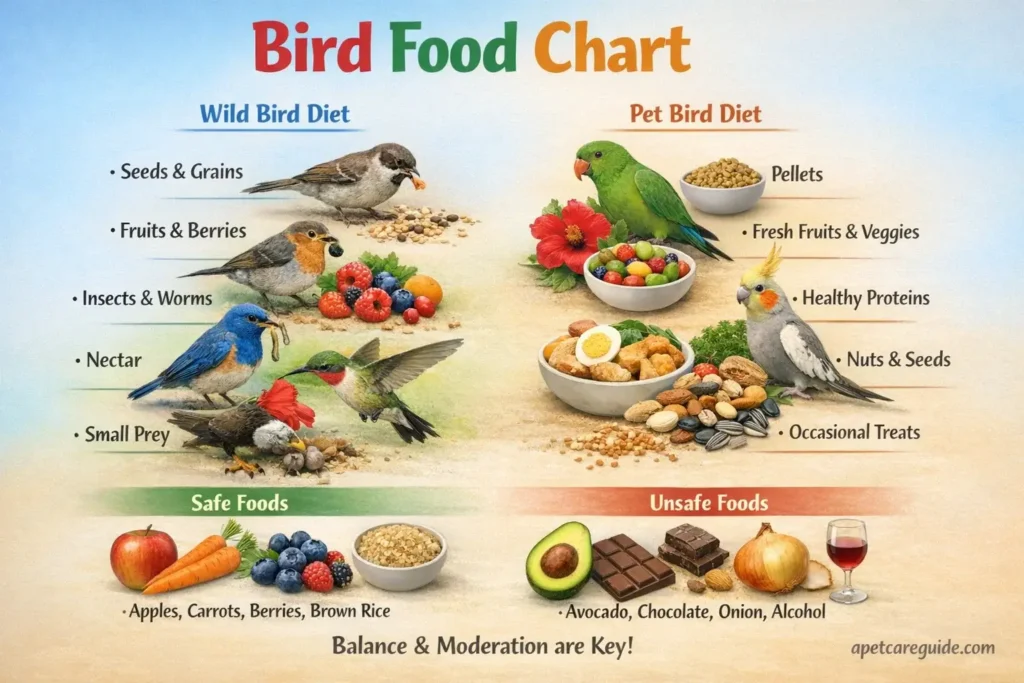
What Can Birds Eat in the Wild vs at Home?
Natural Diet of Wild Birds
- Seeds, grains: Out in beautiful nature, wild flocks enthusiastically hunt for natural seeds and hearty grains. These tiny morsels offer incredible energy, helping them fly long distances across vast skies securely.
- Fruits and berries: During warm summers, free-flying buddies happily pluck sweet fruits and juicy berries right off green branches. This delicious sugar gives them a wonderful, rapid energy boost for daily outdoor adventures.
- Insects and worms: Searching through soft dirt, many species eagerly grab squiggly worms and crawling insects. This fantastic hunting provides essential, life-saving protein that builds incredibly strong, powerful flight muscles rapidly.
- Nectar (for some birds like hummingbirds): Tiny, magical hummingbirds eagerly sip sweet nectar directly from blooming, colorful flowers. This sparkling liquid acts like absolute rocket fuel for their incredibly fast, rapidly beating little wings.
- Small animals (for predatory birds): Magnificent eagles and fierce hawks boldly hunt down small animals across open fields. This intense meat diet delivers exactly the heavy nutrition these majestic hunters absolutely demand to survive daily.
Diet of Pet Birds
- Pellets (primary diet): Inside our cozy homes, manufactured pellets must serve as their absolute primary diet. Vets heavily recommend these crunchy bites because they pack perfect, scientifically balanced nutrition for maintaining daily health.
- Fresh fruits and vegetables: Caring owners eagerly chop colorful, fresh fruits and crisp vegetables every single morning. These gorgeous natural foods deliver brilliant vitamins, keeping their bright feathers looking spectacular and glowing.
- Occasional treats: Sometimes, we lovingly offer delightful, occasional treats to reward our clever companions. However, we strictly limit these yummy snacks so our precious pets stay wonderfully slim and entirely healthy.
Safe Foods for Birds
Fruits Birds Can Eat
- Apples (without seeds): Crisp apples offer a thrilling, sweet crunch! However, you must carefully remove every single seed because they carry dangerous toxins that could terribly hurt your precious companion quickly.
- Bananas: Soft, sweet bananas bring immense joy to eager beaks. Simply peel the thick skin off, then watch them happily mash this lovely, potassium-rich snack with pure, uncontained delight.
- Mango: Tropical mangoes taste unbelievably amazing to our exotic buddies. Just chop the bright orange flesh into tiny cubes, completely avoiding the hard, terribly dangerous inner pit.
- Papaya: Bright papaya provides brilliant digestive enzymes for happy tummies. They absolutely adore the soft texture, making it a spectacular, incredibly healthy addition to your reliable bird food chart.
- Watermelon: Juicy watermelon acts like a fantastic, refreshing drink during hot days. They cheerfully slurp up the pink fruit, playfully tossing the safe white seeds everywhere across the floor.
- Pineapple: Tangy pineapple delivers a spectacular, juicy zing! Just chop the tough outer skin away entirely, giving them only the delightfully soft, incredibly sweet yellow center parts to enjoy.
- Grapes: Plump grapes burst with thrilling, sweet juice! Owners lovingly slice these round treats entirely in half, preventing scary choking hazards while bringing absolute joy to afternoon snack time.
- Blueberries: Dark blueberries create wonderfully messy, hilariously stained purple beaks! These tiny spheres burst with powerful antioxidants, actively protecting your lovely pet’s tiny immune system against bad sickness effectively.
- Strawberries: Bright red strawberries look visually stunning and taste absolutely wonderful. Those tiny surface seeds remain completely safe, making this gorgeous fruit a completely hassle-free, highly requested sweet snack.
- Pears: Soft, ripe pears offer a delightfully mellow, sweet flavor. Again, owners actively scoop out every dangerous center seed, serving only the wonderful, fleshy goodness to their eager little friends.
- Oranges (in small amounts): Zesty oranges pack brilliant vitamin C for sparkling health. Because citrus carries high acid, you strictly offer very small amounts to prevent sad, terribly upset little tummies from hurting.
- Kiwi: Fuzzy kiwi reveals a brilliant, magical green inside. They happily eat the tiny black seeds while eagerly gobbling down the sweet, incredibly tangy fruit with absolute, pure enthusiasm.
- Pomegranate: Sparkling pomegranate seeds look like gorgeous red rubies! Eager parrots enthusiastically crack these jewels open, playfully splattering wonderful, healthy red juice across their entire, neatly organized feeding area.
Tips for Feeding Fruits
- Wash thoroughly: Always wash everything incredibly thoroughly under cold running water. This crucial step strictly removes awful chemical pesticides that could terribly poison your sweet, completely innocent winged buddy fast.
- Remove seeds/pits: You absolutely must remove dangerous seeds and hard pits immediately. Apple seeds and cherry pits hold lethal cyanide, which acts fast and frightens loving owners completely out of nowhere.
- Serve in small portions: Always serve these sweet bites in very small portions. Giving too much sugar creates horribly painful stomach aches and completely ruins their healthy, balanced daily appetite entirely.
Vegetables Birds Can Eat
- Carrots: Crunchy orange carrots protect their brilliant, sharp eyesight wonderfully. You can easily grate them or serve them entirely whole, letting your buddy happily chew for hours without any trouble.
- Broccoli: Little green broccoli trees look incredibly fun to destroy! They actively rip the tiny flowers apart, swallowing amazing calcium that builds incredibly strong, unbreakable bones for safe landings.
- Spinach: Dark spinach leaves carry brilliant iron for healthy blood. Because it holds oxalates, caring owners offer this specific green leaf sparingly, mixing it beautifully with other fresh foods safely.
- Kale: Frilly kale acts as an absolute nutritional powerhouse. They cheerfully rip the curly green edges, absorbing massive amounts of life-saving vitamins that keep them intensely active all day.
- Lettuce (romaine preferred): Crisp romaine lettuce snaps beautifully in its strong beaks. Unlike the useless iceberg, romaine holds fantastic actual water and gorgeous green nutrients that completely hydrate your happy pal perfectly.
- Cucumber: A cool cucumber offers spectacular hydration during hot summer afternoons. They eagerly crunch the watery green slices, leaving the safe seeds scattered happily across their clean, wide cage floor.
- Zucchini: Soft zucchini brings wonderful, mild flavors to their daily bowls. Owners lovingly chop this fantastic green veggie, adding wonderful texture that keeps eager eaters completely interested and engaged constantly.
- Sweet potatoes (cooked): Warm, cooked sweet potatoes taste exactly like incredible pie! You simply boil them completely soft, giving your lucky pet a wonderful, completely comforting orange mash they truly love.
- Pumpkin: Festive pumpkin acts as a spectacular, super healthy treat. Just cook the bright orange flesh completely, letting them happily enjoy this totally amazing, beta-carotene-rich feast during autumn.
- Peas: Tiny green peas literally pop beautifully inside eager beaks! They love rolling these fun little spheres around, eagerly eating the sweet, protein-packed centers with intense, wonderful daily joy.
- Corn: Bright yellow corn acts as an absolute classic favorite! Whether you serve it perfectly cooked or completely raw, they passionately chew every single juicy kernel off the heavy cob.
- Bell peppers: Colorful bell peppers bring incredibly satisfying, loud crunches! Surprisingly, parrots totally ignore spicy heat, happily gobbling up the mild flesh and completely safe interior white seeds without worry.
Best Practices
- Serve raw or lightly steamed: You should serve veggies completely raw or just lightly steamed. Boiling them too long destroys the magical, life-saving vitamins your precious pet absolutely needs to survive happily.
- Avoid seasoning: Never, ever use any salt or fancy spices anywhere. You must entirely avoid seasoning because their tiny kidneys completely fail when they eat our heavy human salt additives.
Seeds & Grains Birds Eat
- Sunflower seeds: Classic sunflower seeds taste incredibly amazing to eager parrots! Sadly, they act exactly like human candy, meaning you strictly limit them to prevent terrible, scary weight gain problems.
- Millet: Tiny round millet acts as the absolute ultimate training reward. They go completely wild for these tiny yellow pearls, making teaching fun new tricks incredibly easy and truly fast!
- Oats: Wholesome oats deliver spectacular, slow-burning daily energy continuously. You simply offer plain rolled oats, giving your lovely companion a wonderful, hearty breakfast that keeps them beautifully full until lunch.
- Barley: Chewy barley adds amazing, fun textures to their daily bowls. This fantastic ancient grain digests incredibly easily, keeping its tiny tummies wonderfully happy and completely calm all evening.
- Quinoa: Superfood quinoa packs a massive, incredible protein punch easily. Owners eagerly cook these tiny beads entirely soft, providing an absolute nutritional masterpiece that builds gorgeous, incredibly strong body muscles.
- Brown rice: Hearty brown rice replaces completely useless white grains perfectly. Boiling it entirely plain gives your hungry friend a wonderfully filling, incredibly healthy, vitamin-packed afternoon meal they intensely crave.
- Wheat: Natural wheat berries offer a spectacular, incredibly fun daily chew. They passionately crush the hard outer shells, eagerly finding the wonderful, sweet starch hiding completely securely inside.
- Corn kernels: Dried corn kernels bring loud, incredibly satisfying cracking sounds! Big macaws totally love breaking these hard, yellow pieces, actively exercising their huge, incredibly powerful beaks safely and loudly.
- Flax seeds: Tiny flax seeds carry brilliant, life-saving Omega-3 oils heavily. These magical little bits make their bright, colorful feathers shine incredibly bright, looking absolutely gorgeous under warm, sunny daylight.
- Chia seeds: Magical chia seeds act exactly like tiny nutritional bombs! You sprinkle these amazing black specks everywhere, giving your lucky buddy spectacular, unbeatable heart health benefits with zero extra effort.
Important Note
- Seeds should not be the only diet: Seeds must never become the only meal. A sad, all-seed diet destroys livers quickly.
- High fat content in excess: They carry dangerously high fat content in excess, causing terrible obesity.
Nuts Birds Can Eat
- Almonds: Crunchy almonds require a completely plain, totally unsalted serving strictly. They passionately crack the tough shells, gaining fantastic calcium and wonderful healthy oils that protect their tiny beating hearts beautifully.
- Walnuts: Brain-shaped walnuts carry magical, brilliant Omega-3 fats inside. Big parrots enthusiastically crush the incredibly hard shells, happily digging out the wonderfully rich, totally delicious meat securely hidden inside.
- Cashews: Soft cashews taste unbelievably rich and beautifully buttery. Because they lack a hard shell, smaller buddies easily bite right into this incredibly delicious, highly prized, crunchy afternoon treat.
- Peanuts (unsalted): Human-grade, completely unsalted peanuts bring incredible daily joy! However, owners carefully buy roasted ones, strictly avoiding dangerous raw peanuts that sometimes carry horribly toxic, scary natural mold spores.
- Pistachios: Fun pistachios pop open beautifully inside their clever beaks! They absolutely adore twisting the split shells apart, eagerly finding the bright green, incredibly tasty prize sitting securely right inside.
Feeding Tip
- Offer in moderation (high fat): You must offer these purely in moderation. High fat causes extreme sickness when overfed!
Protein Foods for Birds
- Boiled eggs: Hard-boiled eggs offer a spectacular, totally complete protein source. Surprisingly, you can even crush the clean white shells right in, providing brilliant, life-saving extra calcium for strong bones!
- Cooked chicken (plain): Perfectly plain, fully cooked chicken sounds totally weird initially, right? Yet, they enthusiastically gobble down tiny shreds, eagerly absorbing fantastic, healthy meat protein without any dangerous, spicy additions.
- Fish (boneless, cooked): Mild, completely boneless cooked fish gives wonderful, shiny feathers! You just bake plain white fish completely through, offering tiny flakes that smell terribly exciting to their clever little noses.
- Mealworms: Wiggling mealworms look entirely gross to us normal humans! Meanwhile, little finches go totally crazy, aggressively hunting these juicy bugs to build incredibly strong, rapidly moving little wings.
- Crickets: Jumping crickets trigger their brilliant, natural wild hunting instincts perfectly! Chasing these noisy bugs around a safe enclosure provides spectacular exercise and wonderful, wildly natural, healthy bug protein.
- Lentils (cooked): Soft, cooked lentils act exactly like magical tiny beans. They passionately mash these earthy legumes, happily filling their tiny bellies with wonderful, totally plant-based muscle food incredibly safely.
- Chickpeas: Round chickpeas deliver heavy, incredibly satisfying meals reliably. Owners boil them until entirely squishy, letting eager companions joyfully peel the thin outer skins off completely before eagerly eating.
Commercial Bird Food
- Pellets (balanced nutrition): High-quality pellets absolutely must dominate your precious bird food chart entirely. Scientists perfectly blend these crunchy bits, entirely guaranteeing your lovely pet receives every single necessary daily health vitamin.
- Seed mixes (supplement only): Colorful seed mixes look terribly exciting but remain highly dangerous alone. Therefore, clever owners strictly use them as a tiny supplement, preventing sad, extremely dangerous fatty liver buildup safely.
Herbs & Greens Birds Can Eat
- Parsley: Bright green parsley freshens their tiny breath beautifully! They playfully chew the curly leaves, eagerly swallowing fantastic vitamins while making their cage smell incredibly wonderful and totally fresh.
- Basil: Sweet basil carries a spectacularly strong, wonderful aroma daily. They passionately shred the soft green leaves, entirely loving the amazing, slightly spicy taste that thrillingly tingles their funny tongues.
- Cilantro: Zesty cilantro divides human opinions, but parrots totally adore it! They enthusiastically rip the delicate green stems apart, happily eating this incredibly fresh, wonderfully safe herb with pure joy.
- Mint: Cool mint leaves bring absolutely thrilling, frosty flavors inside! Plucking these fragrant green leaves acts like an incredibly fun game, entirely refreshing their happy little mouths delightfully and quickly.
- Dandelion greens: Wild dandelion greens represent completely free, super healthy yard food! You just pick incredibly clean, entirely pesticide-free leaves, giving them a wonderfully bitter, highly nutritious wild treat instantly.
Flowers Birds Can Eat
- Hibiscus: Huge hibiscus flowers look absolutely stunning and taste amazing! They passionately destroy the bright red petals, eagerly drinking the wonderful, completely natural sweet nectar safely hidden right inside them.
- Dandelion flowers: Sunny yellow dandelion flowers bring gorgeous color to snack time! They happily tear the soft petals completely apart, enjoying an incredibly safe, wonderfully natural wild treat picked safely outside.
- Marigold: Bright orange marigolds deliver spectacular, eye-protecting vitamins safely. They playfully chew the entirely safe blossoms, brilliantly boosting their immune systems while making a hilariously beautiful, bright orange, messy cage.
- Rose petals: Romantic rose petals feel incredibly soft and velvety smooth. You simply offer entirely chemical-free, wonderfully fragrant blooms, letting your lucky buddy eat exactly like absolute spoiled fancy royalty.
Foods Birds Can Eat Occasionally (Treats Only)
Human Foods (Safe in Moderation)
- Bread (whole grain): Toasted whole-grain bread acts as a wonderful, incredibly crunchy reward. You strictly offer tiny plain pieces, entirely avoiding highly processed, completely useless white sandwich bread, completely forever.
- Pasta (plain): Perfectly plain, fully cooked pasta brings incredible, joyful fun! They passionately hold wiggly noodles in their tiny claws, eagerly chewing the soft, wonderfully comforting, warm starch incredibly happily.
- Rice (cooked): Steamed, plain cooked rice safely fills their happy bellies. They love picking up individual sticky grains, enthusiastically eating this wonderfully safe, entirely basic human staple food very securely.
- Cheese (small amounts): Because friends entirely lack dairy enzymes, cheese sounds completely risky initially. However, offering incredibly tiny, extremely rare crumbles of hard cheddar completely satisfies their desperate, cute begging totally safely.
- Yogurt: Plain, completely unsweetened yogurt delivers wonderful, belly-soothing probiotics beautifully. You occasionally offer a tiny spoonful, wonderfully helping their tiny digestive systems run incredibly smoothly and entirely safely all week.
Sweet Treats (Very Limited)
- Honey: Thick, golden honey tastes unbelievably, spectacularly sweet always. You absolutely must restrict this intense sugar strictly, occasionally dabbing a tiny, barely visible drop onto their normal morning food securely.
- Natural fruit juice: Pure, completely natural fruit juice acts exactly like wild nectar. You strictly dilute it heavily with clean water, offering a wonderfully sweet, extremely rare liquid treat very safely.
Unsafe & Toxic Foods for Birds
Highly Toxic Foods (Never Feed)
- Avocado: Green avocado acts as an absolute, immediate, deadly poison entirely. Persin hides entirely within the skin and flesh, destroying their tiny lungs in mere terrifying minutes.
- Chocolate: Sweet chocolate contains lethal theobromine that stops tiny hearts fast. You must entirely banish all dark, milk, or white candy completely away from your totally innocent companion permanently, forever.
- Caffeine (coffee, tea): Morning coffee or tea causes incredibly dangerous, wildly racing heartbeats quickly. This intense stimulation totally overwhelms their tiny bodies, causing terrible seizures and terribly sad, sudden heart tragedies constantly.
- Alcohol: Dangerous alcohol depresses their absolutely tiny organ systems instantly. Even a microscopic, completely accidental sip of beer quickly causes fatal, entirely irreversible liver failure and incredibly sad, instant death.
- Onion: Smelly onions carry horrific sulfur compounds everywhere inside them. These terrible chemicals actively destroy red blood cells, entirely causing severe anemia and terribly painful, sad gasping breaths quickly.
- Garlic: Pungent garlic acts exactly like terribly toxic onions everywhere. It quickly burns their completely sensitive mouths, wildly upsetting delicate stomachs while entirely ruining their absolutely vital red blood stream.
- Apple seeds: Innocent-looking apple seeds hide a horrible, deadly secret inside. They carry pure cyanide, entirely capable of quickly killing your absolutely precious, totally trusting little buddy without any clear warning.
- Fruit pits: Hard cherry or peach pits also hold lethal cyanide securely inside. You absolutely must carve these incredibly dangerous stones entirely away before serving any sweet summer fruits ever again.
- Mushrooms: Spongy mushrooms act exactly like mysterious, terrible, bad fungi. They cause horrible digestive upset, quickly creating severe liver failure that completely devastates completely heartbroken, entirely loving owners instantly.
- Raw beans: Hard, completely raw beans contain horribly toxic hemagglutinin inside. You absolutely must boil beans completely soft, entirely destroying the terrible poison before offering them safely to your happy pet.
Harmful Foods to Avoid
- Salted foods: Heavy salted chips totally overload completely tiny, delicate kidneys. Their bodies entirely fail to process extra sodium, completely causing terrible thirst and terribly fast, sad kidney failure quickly.
- Sugary snacks: Human sugary cookies destroy their totally natural metabolism. This horrible fake sugar entirely causes terrible weight gain, quickly ruining their absolutely gorgeous, beautifully colored feathers completely overnight.
- Fried foods: Greasy, terribly fried foods coat their little tummies horribly. They cannot completely digest heavy oils, leading to agonizing, horrible stomach sickness entirely fast.
- Processed foods: Highly processed crackers hold completely mysterious, terrible chemical preservatives inside. You absolutely must keep these entirely fake human snacks far away from your wonderfully natural, pure pet permanently.
- Dairy (in large amounts): Large dairy bowls cause incredibly explosive, terribly sad tummy trouble. Because they completely lack lactase enzymes, heavy milk absolutely causes intensely painful, horribly messy cage disasters incredibly fast.
Dangerous Substances
Moldy food: Nasty, moldy food hides horrible, entirely invisible, deadly spores constantly. You absolutely must throw completely old, terribly fuzzy food entirely away to protect their tiny lungs entirely safely.
Xylitol (artificial sweetener): Fake sugar xylitol, found heavily in human gum, kills quickly. This horrible chemical entirely crashes their absolutely vital blood sugar, causing terrible, entirely fatal seizures instantly upon eating it.
Pesticides: Invisible pesticides completely cover unwashed grocery store fruits everywhere. You absolutely must scrub everything thoroughly, entirely preventing these terrible farming chemicals from violently poisoning your precious pet instantly.
Feeding Tips for Pet Birds
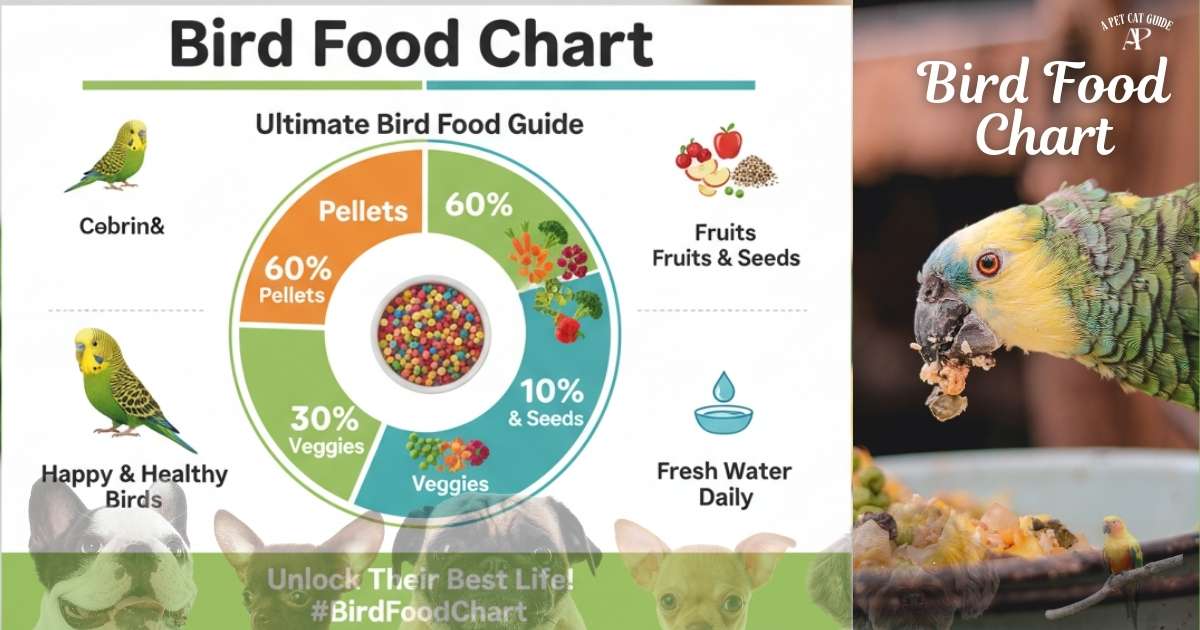
Balanced Diet Ratio
- 60–70% pellets: Premium pellets entirely rule the absolutely perfect daily bowl securely!
- 20–30% vegetables: Fresh greens add wonderful, entirely natural, bright vitamins daily, constantly!
- 5–10% fruits: Sweet treats are always incredibly rare!
- Small protein treats: Tiny bugs or entirely plain eggs build strong bodies perfectly!
Portion Control
- Avoid overfeeding: Never dump entire mountains into their dish ever!
- Rotate foods: Keep them entirely guessing with wonderfully fun, entirely new, exciting flavors!
Fresh Water Importance
Clean bowls regularly: Scrub totally slimy dishes entirely clean every single morning, wonderfully!
Change daily: Stale water grows horrible, entirely invisible, dangerous bacteria fast, constantly!
How Much Do Birds Eat Per Day?
The amount of food a bird needs depends on its size and activity level. Here are some general guidelines:
- Budgies: Need about 2–3 teaspoons of food in total per day.
- Cockatiels: Require a little bit more than a budgie.
- Macaws & African greys: Need much larger portions of both pellets and vegetables to match their body size.
How Often to Feed
A consistent schedule is a great idea.
- Pellets: Can be left in their bowl for most of the day.
- Vegetables: Should be offered once a day. Be sure to remove any uneaten portions after 2–3 hours to prevent bacteria from growing.
- Fruits/seeds: These are treats, so they should be given in small amounts just a few times per week.
Special Feeding Situations
Life isn’t always straightforward, and sometimes your bird’s dietary needs will change. Whether they are feeling under the weather, getting ready to breed, growing new feathers, or gracefully aging, adjusting their diet can provide immense comfort and support. Understanding what to offer during these special times is a key part of being a responsive and caring bird owner. This is your guide to handling those unique situations.
Birds with Diarrhea
If your bird has loose droppings, certain foods can help. Offer them things like grated carrots, a small amount of cooked rice, oats, and their regular pellets. You should avoid watery foods like cucumber and melon until their droppings are back to normal. If the issue lasts for more than a day, it is time to call your veterinarian.
Nesting or Breeding Birds
Birds that are breeding use up a lot of energy. They need more protein, which you can provide with egg food, mealworms, or fat balls. A calcium boost from a cuttlebone or a mineral block is also very important for strong eggshells.
Molting Birds
Growing a whole new set of feathers is hard work! During a molt, your bird will benefit from extra protein and foods that are high in vitamin A, such as carrots and sweet potatoes.
Senior Birds
As birds get older, they may become less active. A diet lower in fat can help them maintain a healthy weight. If their beak becomes weaker, softer foods like steamed veggies or soaked pellets can make mealtimes much easier for them.
Healthy Snacks & Treats for Birds
Treats are a wonderful way to interact with and reward your bird. Here are some healthy and exciting snack ideas:
- Millet sprays (an absolute favorite for budgies and other small birds)
- Nuts (almonds and walnuts are great for larger parrots to crack open)
- Sprouted seeds
- Bird-safe herbs (a little fresh parsley, basil, or cilantro can be a delightful treat)
Cooking Foods for Your Bird
Yes, you can cook for your bird! Simple preparations are best. Lightly steaming vegetables or making a small scrambled egg are great options. The most important rule is to keep it plain. Never use any oil, spices, salt, or butter when you prepare food for your feathered companion.
Supplements in Bird Diet
If you feed a balanced diet, your bird should get most of the nutrients it needs. Still, some supplements are useful.
- Calcium supplements: You should always have a cuttlebone or a mineral block in the cage.
- Vitamin drops: These should only be used if they are specifically recommended by your vet.
- It is possible to give too many supplements, which can be harmful. Always follow the advice of a professional.
Bird Food Chart (Sample Weekly Plan)
Here is a sample weekly feeding plan to give you an idea of what a balanced bird food chart for a budgie looks like.
- Monday: Pellets available all day. Morning meal of chopped broccoli and carrots.
- Tuesday: Pellets available all day. Morning meal of shredded kale and bell pepper.
- Wednesday: Pellets available all day. A small slice of apple (seeds removed) for a treat.
- Thursday: Pellets available all day. Morning meal of peas and sweetcorn.
- Friday: Pellets available all day. A tiny sprinkle of a quality seed mix as a treat.
- Saturday: Pellets available all day. Morning meal of chopped zucchini.
- Sunday: Pellets available all day. A small millet spray for a fun foraging activity.
Feeding Other Popular Pet Bird Species
Different birds have their own unique needs. Here are some quick tips.
Cockatiel
Their diet should be a mix of pellets and seeds. Cockatiels can gain weight easily, so you need to watch how many fatty seeds they eat.
Budgerigar Dite
Similar to cockatiels, budgies do well on pellets and seeds. They are also prone to becoming overweight, so treats should be given sparingly.
Lovebird
Lovebirds enjoy a diet with plenty of varied vegetables and fruit. You should limit fatty seeds to help them maintain a healthy weight.
Conure
These birds often have a sweet tooth and love fruit. Their diet, however, must be based on pellets and vegetables to remain balanced.
African Grey
This smart species has a higher need for vitamin A. It’s also important to monitor their calcium levels to prevent deficiencies.
Macaw
Macaws need larger food items they can work with, like whole nuts, big pieces of fruit, and root vegetables. Avoid feeding them too many high-fat nuts.
Ringneck & Cockatoo
For these birds, a poor diet can sometimes be connected to behavioral problems. They are also at risk for obesity, so a balanced, low-fat meal plan is key.
FAQs: Bird Food Chart
What is a bird’s favorite food?
This really depends on the individual bird! Many small birds like budgies adore millet spray. In contrast, larger parrots often love the challenge of cracking open a walnut or almond.
What vegetables can budgies eat?
Budgies can eat a wide assortment of vegetables. Some great choices are carrots, broccoli, kale, spinach (in moderation), bell peppers, and peas.
What is the best fresh food for budgies with diarrhea?
Grated carrot is excellent. A small amount of plain cooked rice can also help firm up their droppings. You should avoid watery foods until you are better.
How many times should I feed my bird a day?
It is best to have pellets available for them most of the day. Then, offer a serving of fresh vegetables once daily.
How much seed does a budgie/parrot eat daily?
Seeds should be considered a treat, not a meal. For a budgie, this means less than half a teaspoon per day as part of an otherwise balanced diet.
Can birds eat human food (rice, bread, biscuits, milk, etc.)?
Small bits of plain, cooked rice or whole-grain bread are usually okay. You should completely avoid processed biscuits and milk, as birds cannot digest lactose.
Final Thoughts About Bird Food Chart
So, what have we learned on this journey? The real secret to a healthy bird is a beautiful balance. The foundation is pellets, decorated with a rainbow of fresh vegetables, a few sweet fruits, a tiny sprinkle of seeds, and an occasional protein boost. Your bird will give you feedback every day through its droppings and its behavior; you just have to watch. My final thought for you is this: Healthy food = happy songs, brighter feathers, and a longer life.