

If you’re looking for a reliable cockatiel bird food list chart, you’re not alone. Many new bird owners feel confused about what belongs in a healthy cockatiel diet and which foods should be avoided.
In my experience, one of the biggest mistakes is relying too heavily on seeds. While cockatiels love them, they need a variety of foods to stay healthy. A balanced diet that includes pellets, fresh vegetables, and small amounts of fruit can help support healthy feathers, strong immunity, and good energy levels.
In this guide, you’ll find a complete cockatiel food list, feeding recommendations, and foods that should never be offered to your bird.
Quick Answer: What Can Cockatiels Eat?
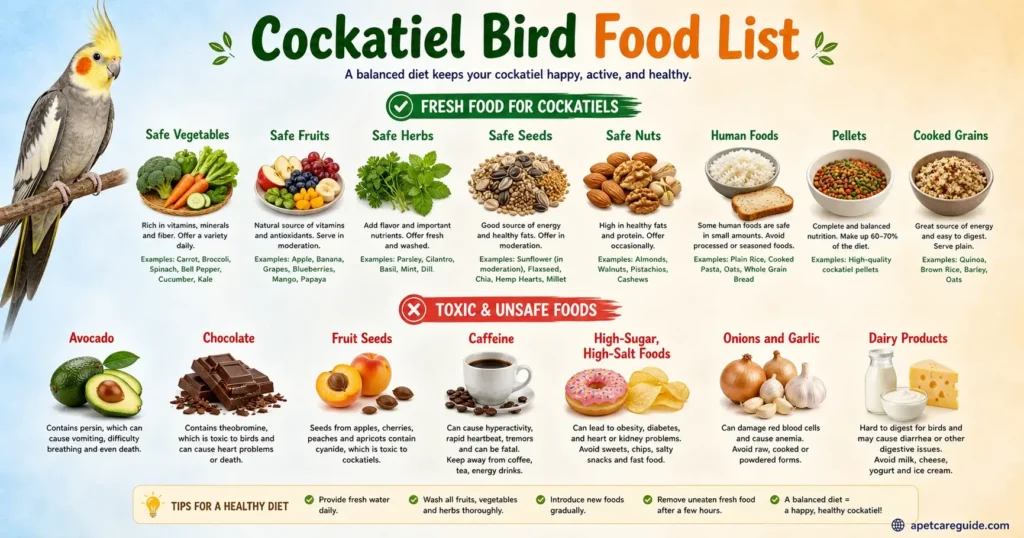
A healthy cockatiel diet should include 60–70% pellets, 20–30% vegetables, 5–10% fruits, and small amounts of seeds and treats. Safe foods include carrots, broccoli, kale, bell peppers, apples (without seeds), bananas, and cooked grains. In my experience, cockatiels stay healthier when they eat a variety of foods rather than relying mainly on seeds. Avoid avocado, chocolate, caffeine, onion, garlic, apple seeds, and fruit pits, as these foods can be toxic to birds.
If you want to learn more about the different food options available for pet birds, see our guide to types of bird food.
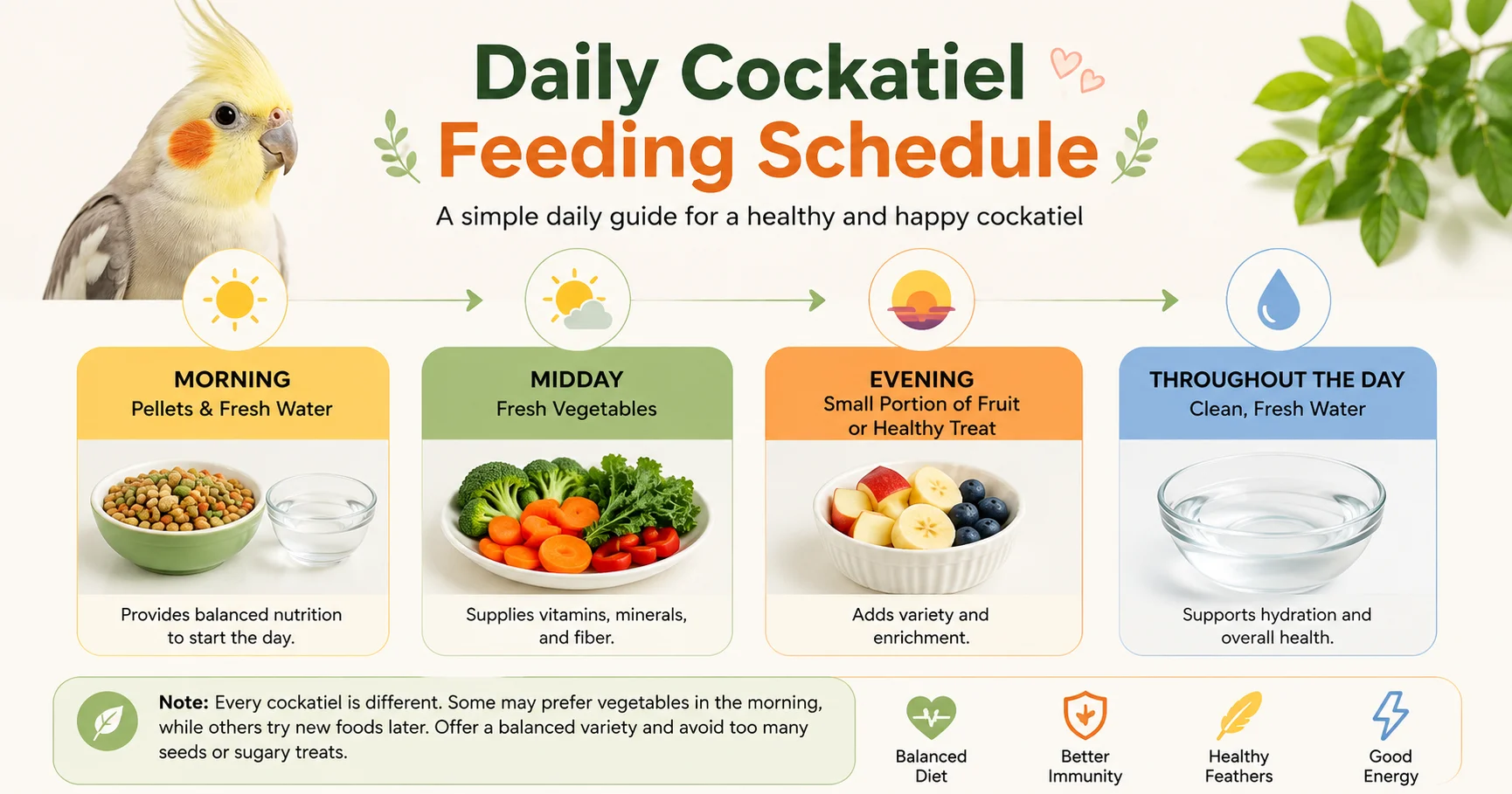
Daily Cockatiel Feeding Schedule
| Time of Day | Recommended Food | Purpose |
| Morning | Pellets and fresh water | Provides balanced nutrition to start the day |
| Midday | Fresh vegetables (carrot, broccoli, kale, bell pepper) | Supplies vitamins, minerals, and fiber |
| Evening | Small portion of fruit or healthy treat | Adds variety and enrichment |
| Throughout the Day | Clean, fresh water | Supports hydration and overall health |
Note: Every cockatiel is different. In my experience, some birds prefer vegetables in the morning, while others are more willing to try new foods later in the day. The key is offering a balanced variety and avoiding too many seeds or sugary treats.
Want an easier way to follow your cockatiel’s daily feeding routine?
Keep your cockatiel’s meals organized with our Cockatiel Diet Chart Printable. It’s a simple printable guide that helps you keep track of healthy food choices and feeding routines at home.
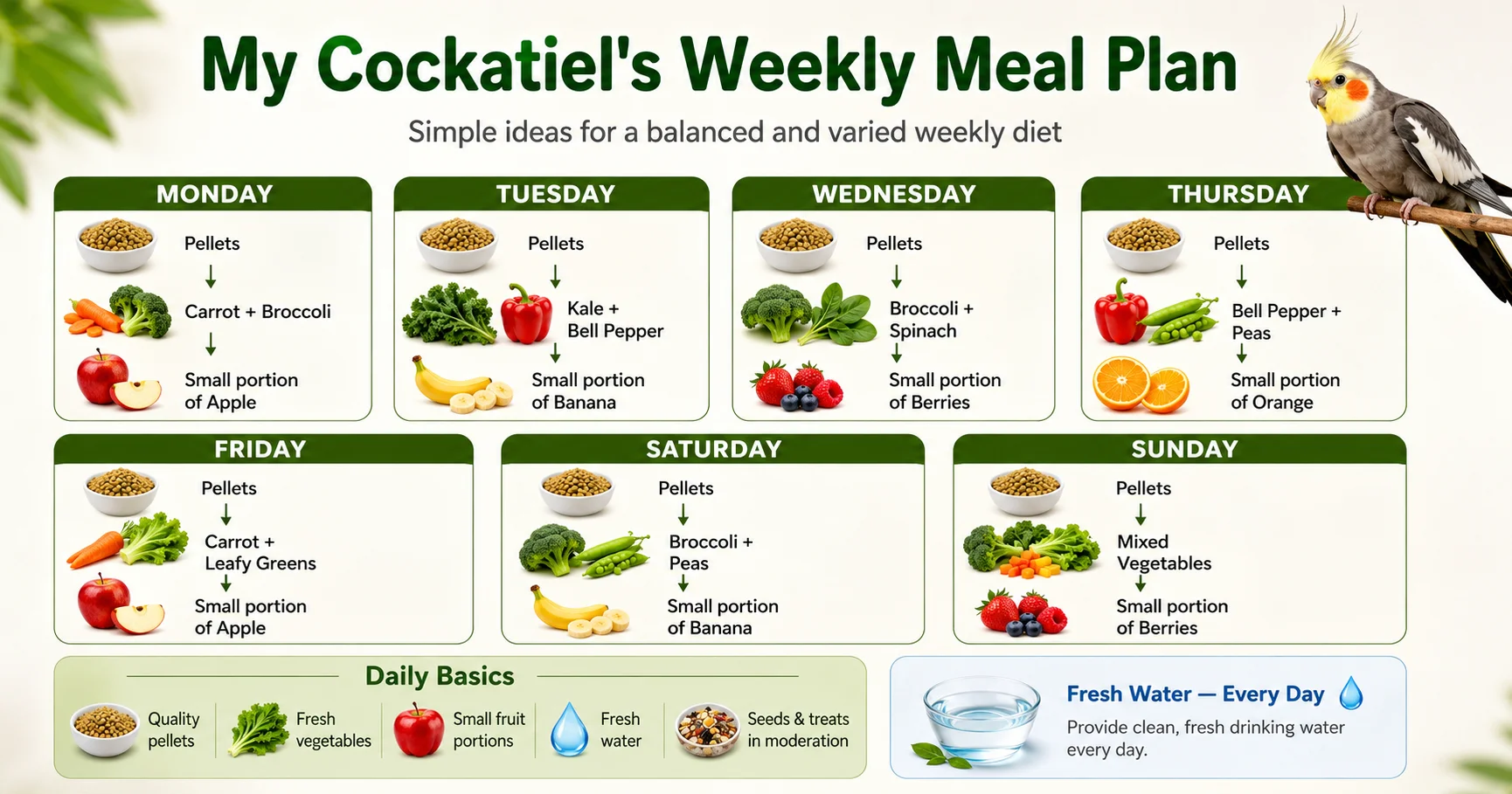
My Cockatiel’s Weekly Meal Plan
Planning your cockatiel’s meals ahead of time can make it easier to offer a healthy variety of foods throughout the week. Here’s a simple weekly meal plan you can adjust based on your cockatiel’s dietary needs and preferences.
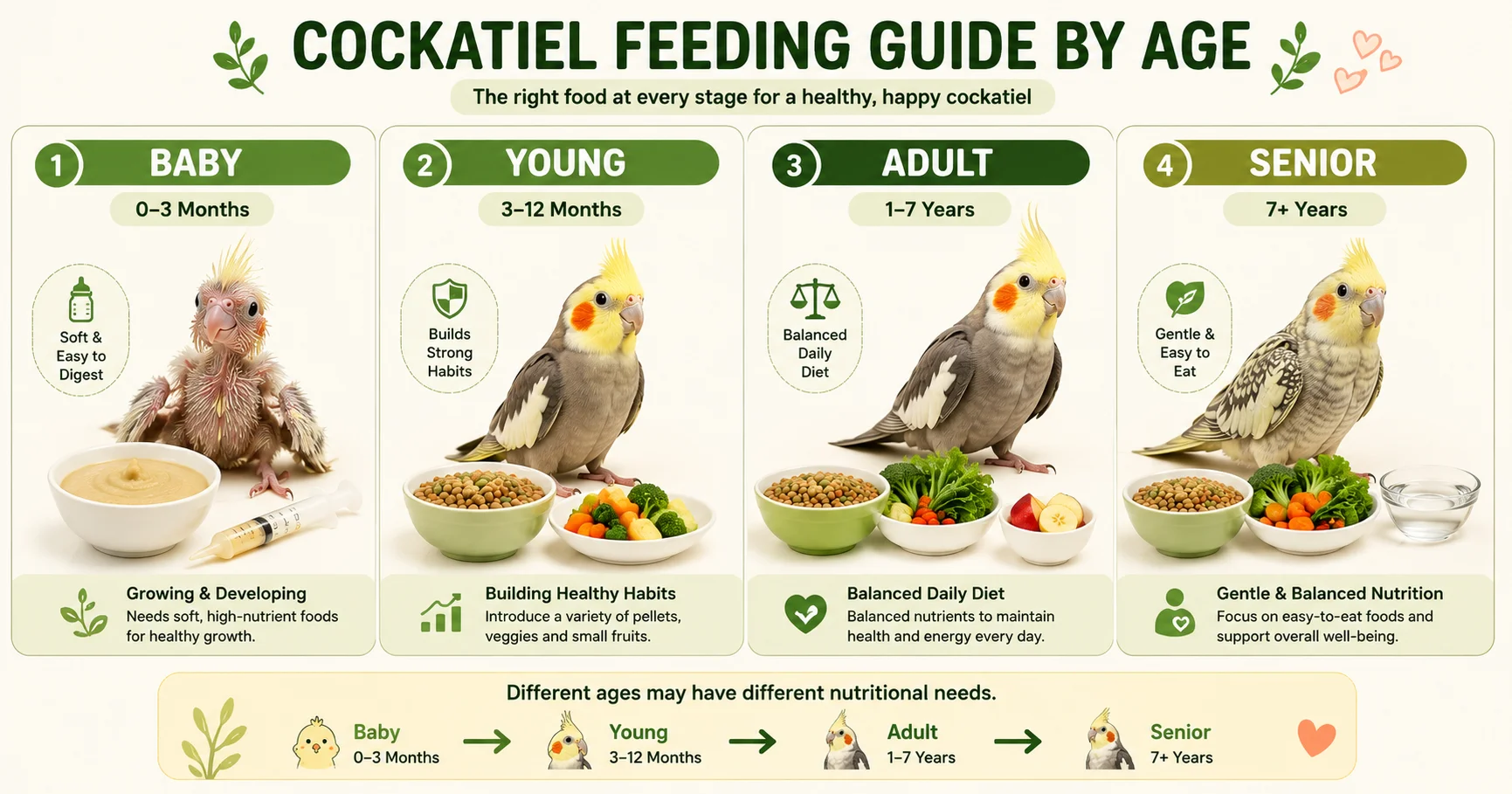
Cockatiel Feeding Guide by Age
A cockatiel’s nutritional needs change as it grows. Baby cockatiels require frequent hand-feeding to support rapid growth, while young birds gradually learn to eat pellets and fresh foods. Adult cockatiels benefit from a balanced diet rich in pellets and vegetables, whereas senior birds often need softer foods and closer weight monitoring.
Understanding these age-specific feeding requirements helps prevent nutritional deficiencies, encourages healthy development, and supports a longer, healthier life.
Baby Cockatiel Feeding Guide
Baby cockatiels have completely different nutritional needs than adult birds. During their first few weeks of life, they cannot digest seeds, pellets, or most solid foods. Instead, they rely on a specially formulated hand-feeding formula that provides the protein, fat, vitamins, and minerals needed for healthy growth.
As baby cockatiels grow, their digestive system gradually develops, allowing them to transition from formula to soft foods and eventually to a balanced adult diet. Feeding the wrong foods too early may cause poor growth, aspiration, digestive problems, or nutritional deficiencies.
Understanding each feeding stage helps ensure healthy development and makes the weaning process much safer for both the bird and the owner.
If you are caring for a baby cockatiel, see our guide on how to make baby bird food for more information about feeding young birds.
Newly Hatched Baby Cockatiels (0–2 Weeks)
Newly hatched chicks should receive only a commercial hand-feeding formula specifically designed for parrots and cockatiels. At this stage, their digestive system is extremely delicate, and homemade formulas or cow’s milk should never be used.
Feed the formula warm—not hot—to avoid crop burns. Young chicks generally require feeding every 2–3 hours, including early morning and evening, depending on their age and crop condition.
Recommended Diet
- Commercial hand-feeding formula
- Warm, sterile water
- Clean feeding syringe or spoon
Avoid
- Seeds
- Pellets
- Fruits
- Vegetables
- Human food
Growing Baby Cockatiels (2–8 Weeks)
Between two and eight weeks, chicks continue relying mainly on hand-feeding formula, but they begin exploring soft foods. This is an important learning stage where they gradually recognize different textures and flavors.
You can slowly introduce the following:
- Soft pellets soaked in warm water
- Cooked brown rice
- Cooked quinoa
- Mashed sweet potato
- Finely chopped vegetables
Do not force weaning. Continue formula feeding until the chick consistently eats enough solid food on its own.
Weaning Stage (8–12 Weeks)
Most cockatiels begin weaning between 8 and 12 weeks naturally, although individual birds develop at different rates.
Gradually reduce formula while increasing:
- High-quality pellets
- Fresh vegetables
- Small portions of fruit
- Cooked grains
Monitor body weight throughout the weaning process. A sudden weight loss usually indicates that the bird is not eating enough independently.
Common Baby Cockatiel Feeding Mistakes
Many first-time owners unintentionally make feeding mistakes during the early stages of a cockatiel’s life.
Avoid these common errors:
- Feeding cow’s milk
- Preparing formula too hot or too cold
- Overfilling the crop
- Feeding before the crop has emptied
- Weaning too early
- Offering seeds as the primary food
- Using homemade formulas without veterinary guidance
Young Cockatiel (2–6 Months)
As young cockatiels begin weaning, they gradually learn to eat solid foods. This is the ideal stage to introduce a wide variety of healthy foods while encouraging lifelong good eating habits.
Begin with high-quality pellets as the primary food, then slowly introduce finely chopped vegetables, small fruit pieces, and cooked grains. Millet spray can be used occasionally as a reward during training, but it should not replace a balanced diet.
Feeding Guidelines
- Introduce high-quality pellets gradually.
- Offer chopped vegetables every day.
- Provide small portions of fruit several times per week.
- Use millet spray only as an occasional treat.
- Introduce one new food at a time to avoid digestive upset.
Adult Cockatiel (6 Months+)
Adult cockatiels require a balanced diet that supports healthy feathers, strong immunity, and an ideal body weight. In my experience, birds stay healthier when pellets form the foundation of their daily diet instead of seeds.
Fresh vegetables should be offered every day, while fruits should remain occasional treats because of their natural sugar content. Seeds and nuts are best used sparingly as enrichment or rewards.
Recommended Diet
- 60–70% high-quality pellets
- 20–30% fresh vegetables
- 5–10% fresh fruits
- Small amounts of seeds and healthy treats
Senior Cockatiel (8+ Years)
As cockatiels grow older, their metabolism slows, and some birds become less active. Older birds may also develop arthritis, digestive changes, or dental and beak problems that make eating difficult.
Soft foods, regular weight monitoring, and routine veterinary examinations become increasingly important. Any sudden weight loss, decreased appetite, or changes in eating behavior should be evaluated by an avian veterinarian.
Feeding Guidelines
- Offer softer foods when necessary.
- Ensure fresh water is always available.
- Monitor body weight regularly.
- Continue providing a balanced pellet-based diet.
- Follow veterinary dietary recommendations if health problems develop.
Cockatiel Feeding Guide by Age (Summary)
| Cockatiel Age | Main Diet | Feeding Frequency |
|---|---|---|
| 0–8 Weeks | Commercial hand-feeding formula | Every 3–4 hours |
| 2–6 Months | Pellets, chopped vegetables, soft foods | 3–4 meals per day |
| Adult (6 Months+) | Pellets, vegetables, fruits, limited seeds | 2 main meals per day |
| Senior (8+ Years) | Soft balanced diet with veterinary guidance if needed | Based on health condition |
📌 Important Note
Age is only one part of a healthy feeding plan. Your cockatiel’s activity level, overall health, and veterinary recommendations should also determine portion sizes and food choices. Never switch diets suddenly, as abrupt dietary changes may cause stress, digestive upset, or refusal to eat.
💡 Expert Insight
From my experience, many owners continue feeding adult cockatiels the same diet they received as babies—usually seed-heavy meals. This is one of the most common nutrition mistakes I see. Gradually transitioning young birds to a pellet-based diet with fresh vegetables creates healthier eating habits that often last for life and significantly reduces the risk of obesity, fatty liver disease, and nutritional deficiencies.
📚 References
Lafeber Vet – Weaning, pellet conversion, and balanced nutrition for companion birds.
Association of Avian Veterinarians (AAV) – Companion bird nutrition and life-stage care.
Merck Veterinary Manual – Nutritional requirements for companion birds.
Cornell University College of Veterinary Medicine – Feeding recommendations for parrots and cockatiels.
If you also want a broader feeding reference for pet birds, our bird food chart covers different food categories, safe options, and foods to avoid.
Cockatiel Safe Food List Chart
| Food | Safe? | Benefit | Frequency |
|---|---|---|---|
| Pellets | ✅ Yes | Complete balanced nutrition | Daily |
| Carrot | ✅ Yes | Rich in Vitamin A for eye health | Daily |
| Broccoli | ✅ Yes | High in Vitamin C and fiber | 3–4x/week |
| Kale | ✅ Yes | Excellent source of calcium | 2–3x/week |
| Bell Pepper | ✅ Yes | Supports immune health | 3–4x/week |
| Green Beans | ✅ Yes | Low-calorie vegetable with fiber | 2–3x/week |
| Peas | ✅ Yes | Provides plant protein | 2–3x/week |
| Sweet Potato | ✅ Yes | Rich in beta-carotene | 2–3x/week |
| Cucumber | ✅ Yes | Helps with hydration | 2–3x/week |
| Corn | ✅ Yes | Provides energy and variety | Occasionally |
| Apple (No Seeds) | ✅ Yes | Fiber and Vitamin C | Weekly |
| Banana | ✅ Yes | Potassium and natural energy | Weekly |
| Mango | ✅ Yes | Rich in Vitamin A | Weekly |
| Papaya | ✅ Yes | Supports digestion | Weekly |
| Blueberries | ✅ Yes | Packed with antioxidants | Weekly |
| Strawberries | ✅ Yes | Good source of Vitamin C | Weekly |
| Watermelon | ✅ Yes | Excellent hydration | Occasionally |
| Grapes | ✅ Yes | Contains antioxidants | Occasionally |
| Pear (No Seeds) | ✅ Yes | Fiber and hydration | Occasionally |
| Orange | ✅ Yes | Vitamin C boost | Occasionally |
| Brown Rice | ✅ Yes | Healthy carbohydrate source | 1–2x/week |
| Oats | ✅ Yes | Provides fiber and energy | 1–2x/week |
| Quinoa | ✅ Yes | Protein and minerals | 1–2x/week |
| Whole Wheat Pasta | ✅ Yes | Occasional energy source | Occasionally |
| Boiled Egg | ✅ Yes | High-quality protein | 1–2x/week |
| Sprouted Seeds | ✅ Yes | More nutrients than dry seeds | 2–3x/week |
| Millet Spray | ✅ Yes | Mental enrichment and treat | Occasionally |
| Sunflower Seeds | ✅ Yes | Healthy fats | Sparingly |
| Pumpkin Seeds | ✅ Yes | Minerals and healthy fats | Sparingly |
| Almonds (Unsalted) | ✅ Yes | Protein and healthy fats | Sparingly |
📌 Important Note
A healthy cockatiel diet should be based on variety rather than a single favorite food. Fresh vegetables and high-quality pellets should make up the majority of the diet, while fruits, seeds, and nuts should be offered in moderation. Always wash fresh produce thoroughly, remove fruit seeds and pits, and discard uneaten fresh food after 2–4 hours to help prevent bacterial growth.
Proper storage is just as important as choosing the right food. Learn how to recognize spoiled food and keep bird food fresh in our guide to whether bird food goes bad.
💡 Expert Insight
From my experience, many cockatiel owners focus too much on seeds because birds naturally enjoy them. However, cockatiels that eat a balanced mix of pellets, fresh vegetables, and occasional fruits usually maintain healthier feathers, better energy levels, and a more stable body weight. Introducing new foods gradually and offering the same healthy food multiple times often encourages even picky birds to accept a more nutritious diet.
📚 References
- Association of Avian Veterinarians (AAV) – Nutritional recommendations for companion birds.
- Merck Veterinary Manual – Avian Nutrition and Feeding Guidelines.
- Cornell University College of Veterinary Medicine – Companion Bird Nutrition and Preventive Care.
Quick Summary: A healthy cockatiel diet should consist mainly of high-quality pellets, fresh vegetables, and small portions of fruit. Protein-rich foods like boiled eggs and sprouted seeds can be offered occasionally.
Fresh Food for Cockatiels
Fresh foods provide your cockatiel with vital nutrients that dry seeds lack. Fresh foods mimic what cockatiels eat in the wild. I personally prefer serving a daily chop made of crunchy greens, sweet fruits, and whole grains. Mixing in high-quality pellets and occasional nuts creates a balanced meal that stops picky eating habits fast.
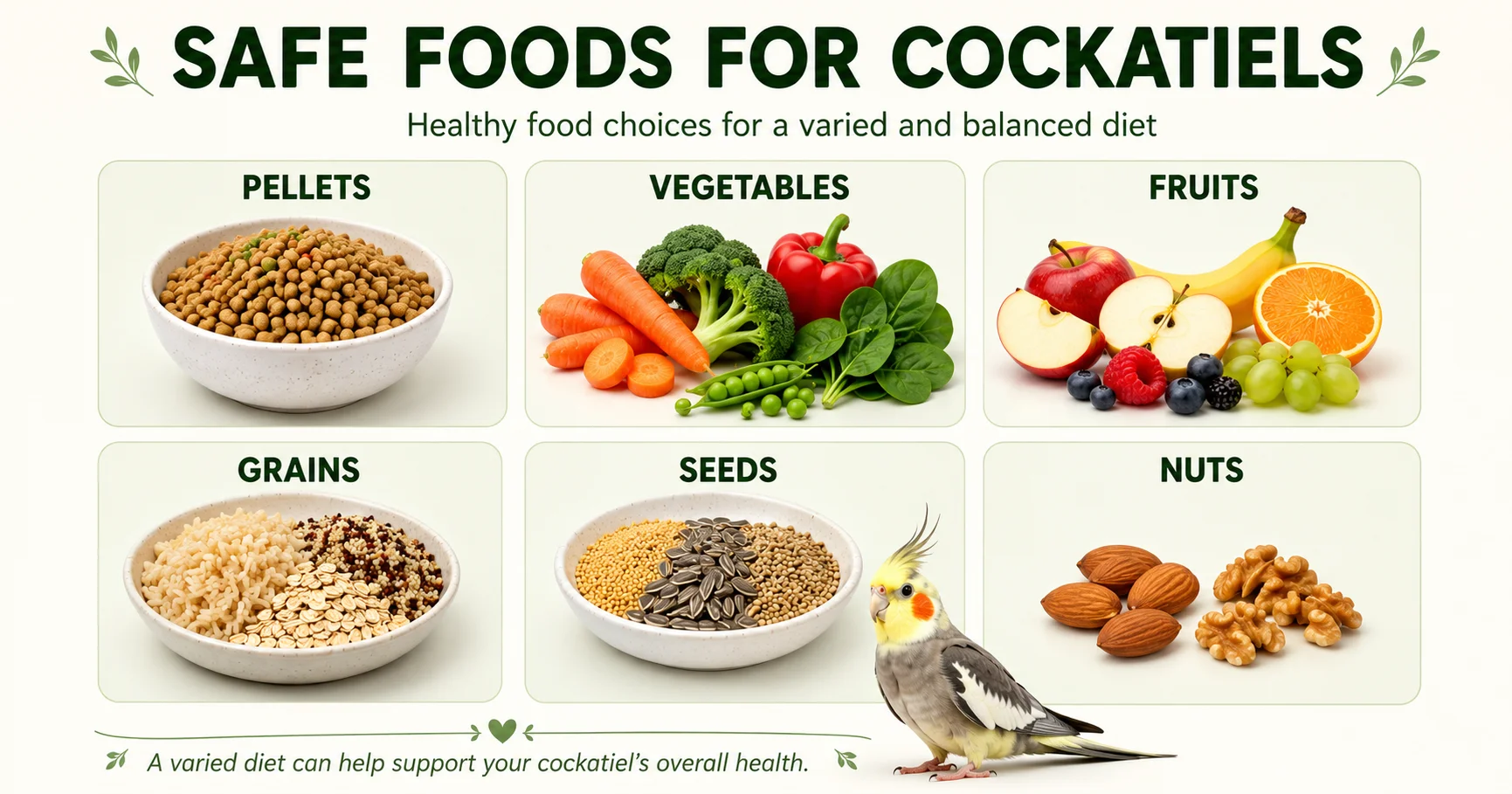
Safe Vegetables
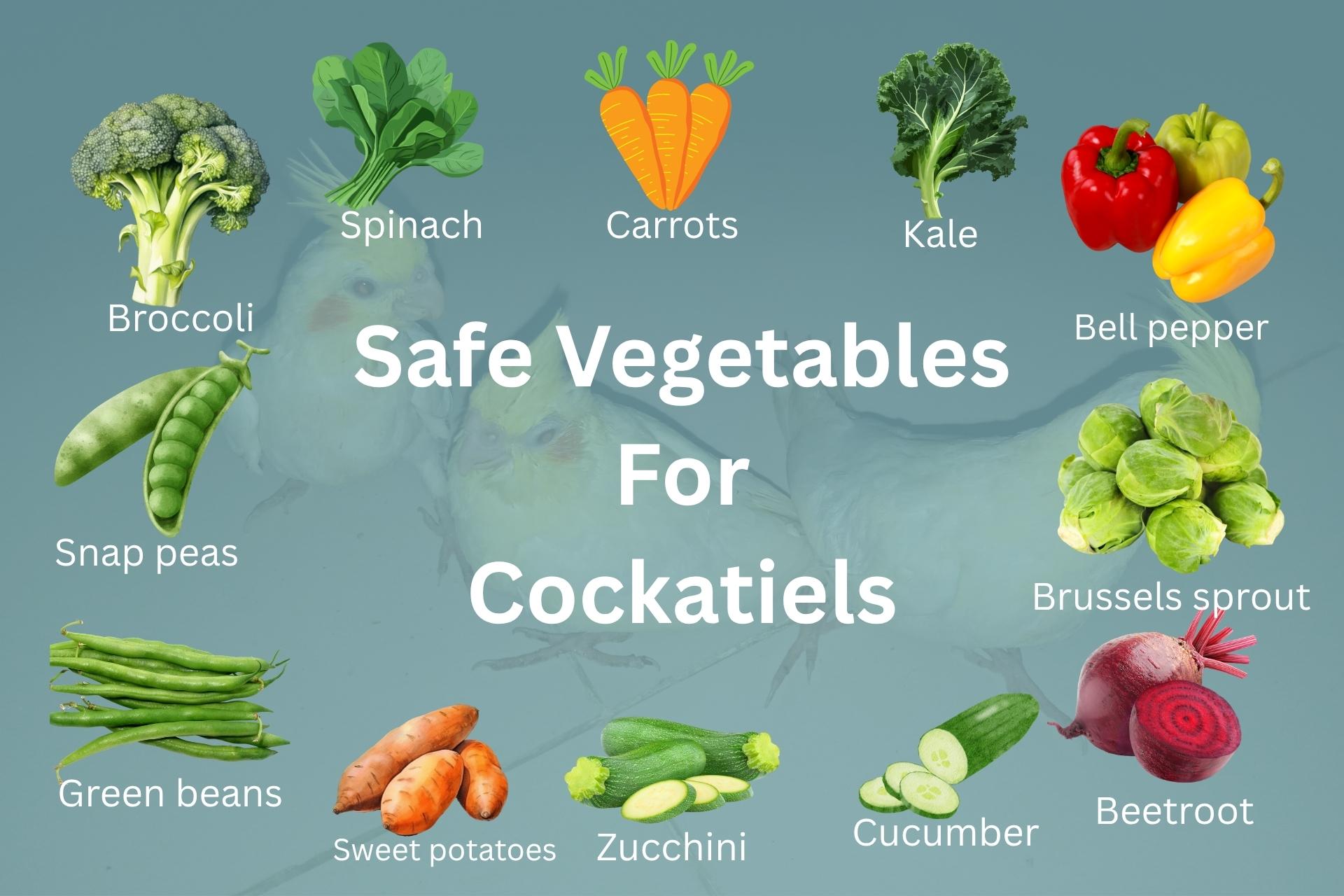
You can help birds by offering leafy greens like kale or crunchy carrots and broccoli. Leafy greens pack serious nutrition for your bird. My cockatiel goes crazy for kale, spinach, and grated carrots. You can also safely offer broccoli, sweet potatoes, and bell peppers. Chop these veggies into tiny pieces so your bird can grab them easily. One mistake many pet owners make is serving pale greens like iceberg lettuce. It holds mostly water and offers zero real nutrition. Stick to dark, colorful vegetables for the best results.
Nutritional Value of Common Cockatiel Vegetables
| Vegetable | Key Nutrients | Main Benefit |
|---|---|---|
| Carrots | Beta-carotene, fiber | Supports healthy vision and overall nutrition |
| Broccoli | Vitamin C, fiber, calcium | Supports digestion and provides important micronutrients |
| Spinach | Vitamin A, Vitamin K, folate | Provides vitamins and minerals as part of a varied diet |
| Sweet Potato | Beta-carotene, fiber | Supports vision and digestive health |
| Peas | Protein, fiber, Vitamin C | Provides plant-based nutrients and dietary variety |
| Zucchini | Vitamin C, Vitamin A, water | Adds hydration and variety to the diet |
| Bell Peppers | Vitamin C, Vitamin A, antioxidants | Provides vitamins and antioxidant compounds |
| Kale | Calcium, Vitamin K, Vitamin A | Provides calcium and other essential nutrients |
| Cucumber | Water, Vitamin K, small amounts of Vitamin C | Adds hydration and dietary variety |
| Squash | Beta-carotene, fiber, Vitamin C | Supports overall nutrition and digestive health |
📌 Important Note:
Nutritional value can vary depending on the freshness, preparation, and portion size of the food. Vegetables should complement a balanced cockatiel diet rather than replace nutritionally complete pellets. Always wash fresh produce thoroughly and remove spoiled or uneaten food promptly.
💡 Expert Tip:
From my experience, offering vegetables with different colors, textures, and shapes can make healthy foods more interesting to cockatiels. If your bird refuses a new vegetable at first, keep offering small amounts alongside familiar foods rather than giving up after one attempt. Consistent exposure can make it easier for picky birds to accept a wider variety of nutritious foods.
Want more ideas for healthy vegetables? See our guide to what vegetables birds can eat for more bird-safe vegetable options and serving ideas.
Safe Fruits
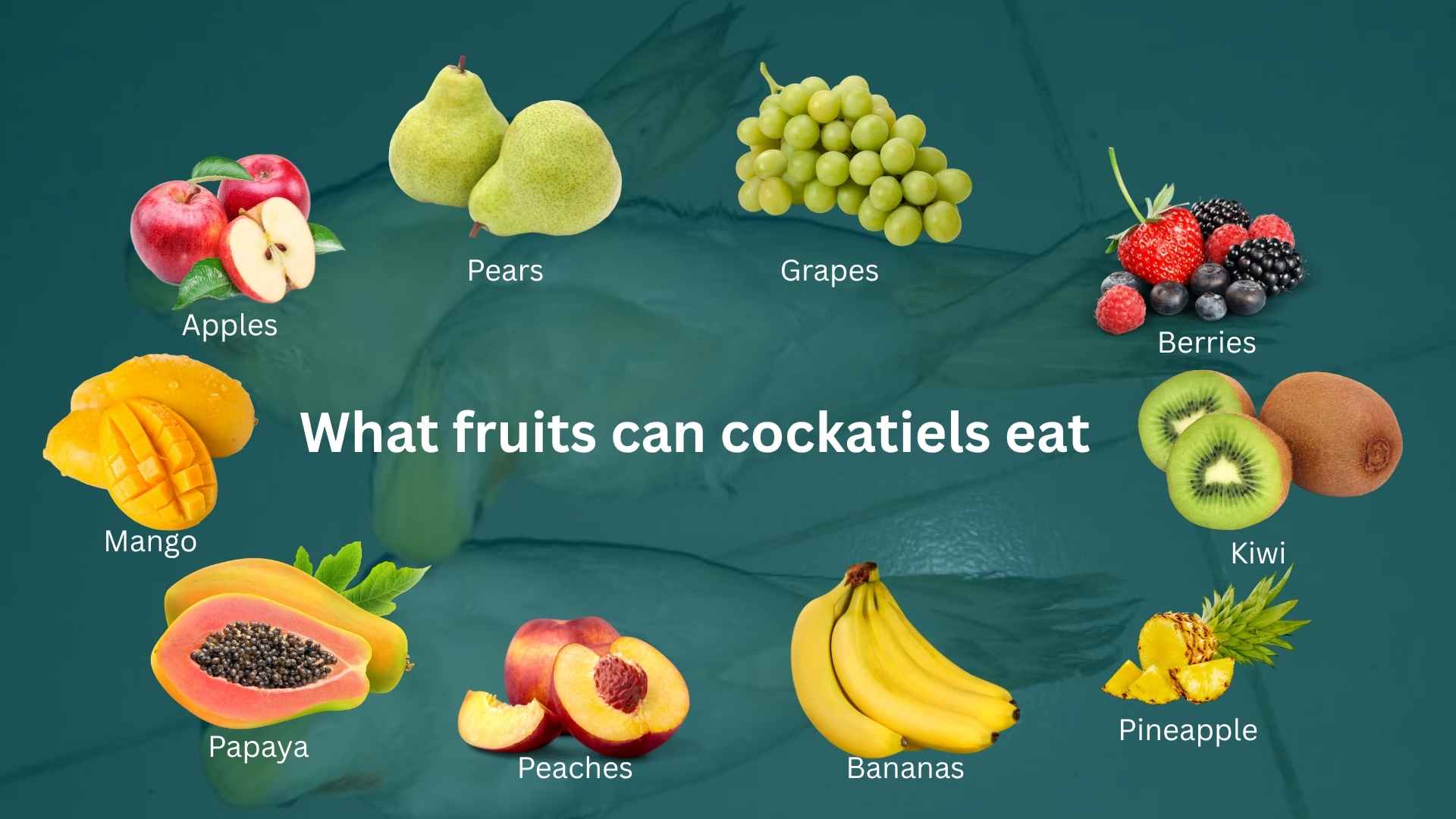
Fruits act as a sweet treat for your pet. Apples, bananas, berries, and melon slices work wonderfully. I always peel thick-skinned fruits and cut them into bite-sized chunks. Remember to limit fruit portions because they hold a lot of natural sugar. Serve fruit just two or three times a week. Your bird gets a tasty reward, and you avoid causing upset stomachs or unhealthy weight gain.
The main benefit of fruit is the boost of vitamin C and natural antioxidants. These nutrients help your bird fight off illness and keep its energy levels high during playtime. So it’s important to know which ones are safe. Now I am sharing a safe fruit list (cockatiel bird food list chart) for your pet cockatiels.
Here’s a list of safe fruits for your cockatiel:
| Fruit | Key Nutrients | Main Benefit |
|---|---|---|
| Apples | Fiber, Vitamin C | Provides fiber and dietary variety |
| Pears | Fiber, Vitamin C, water | Adds hydration, fiber, and variety |
| Grapes | Water, antioxidants, Vitamin K | Provides hydration and antioxidant compounds |
| Berries (strawberries, Blueberries ) | Antioxidants, Vitamin C, fiber | Provides antioxidants and supports dietary variety |
| Mango | Vitamin A, Vitamin C, antioxidants | Provides vitamins and antioxidant compounds |
| Kiwi | Vitamin C, fiber, antioxidants | Provides Vitamin C and dietary variety |
| Papaya | Vitamin A, Vitamin C, fiber | Supports overall nutrition and digestive health |
| Peaches | Vitamin A, Vitamin C, fiber | Adds vitamins, fiber, and dietary variety |
| Pineapple | Vitamin C, manganese, antioxidants | Provides Vitamin C and dietary variety |
| Bananas | Potassium, Vitamin B6, fiber | Provides potassium, energy, and dietary variety |
📌 Important Note:
Fruit should be offered as a small part of a balanced cockatiel diet because it contains natural sugars. Always wash fruit thoroughly, remove seeds and pits where applicable, and cut larger fruits into small, manageable pieces before serving.
💡 Expert Tip:
From my experience, cockatiels often prefer sweeter fruits such as grapes and bananas, but it is better not to let a bird choose fruit over its more nutritious staple foods. I usually recommend rotating different fruits in small portions so the bird gets variety without making sugary foods the main part of the diet.
Looking for a broader list that covers different pet bird species? Check out our guide to safe fruits for birds.
Safe Herbs
Fresh herbs add amazing flavor to a boring bird bowl. Cilantro, parsley, basil, and oregano are completely safe options. I like tying a small bunch of wet dill to the cage bars. The birds love chewing the leaves and bathing in the water drops. Pick organic herbs whenever possible to avoid harsh chemicals. Wash them thoroughly before handing them over to your feathered buddy.
The benefit of adding herbs is that they contain unique phytonutrients. These natural compounds support good digestion and make the bird’s daily meal much more exciting and fragrant. Now I am sharing a safe herb list for your pet cockatiels from my experience.
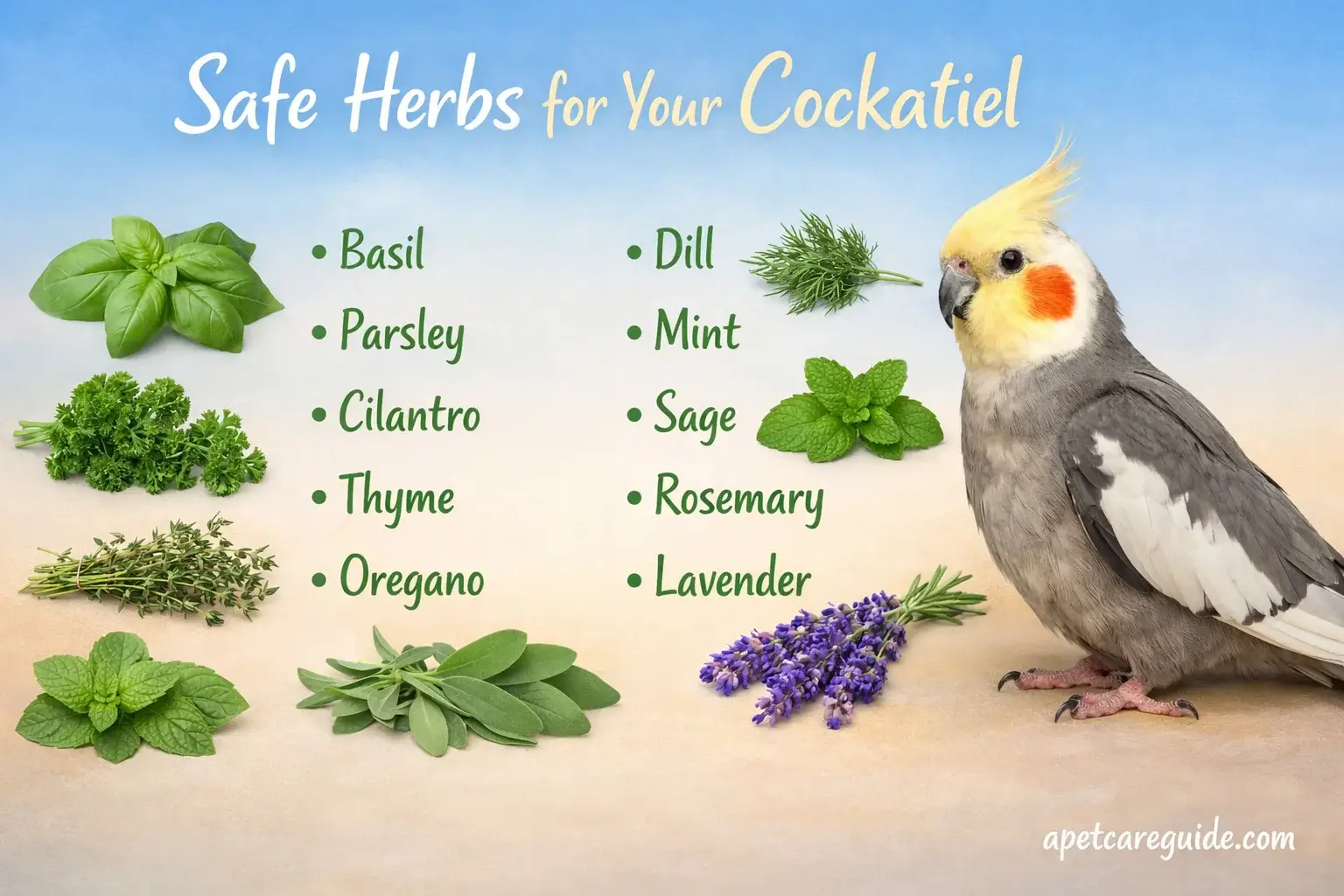
Here’s a list of safe herbs for your cockatiel:
| Herb | Key Nutrients | Key Nutrients |
|---|---|---|
| Basil | Vitamin K, antioxidants | Adds natural nutrients and variety to the diet |
| Parsley | Vitamin C, Vitamin K, antioxidants | Provides vitamins and antioxidant compounds |
| Cilantro | Vitamin K, Vitamin A, antioxidants | Adds flavor, nutrients, and dietary variety |
| Thyme | Vitamin C, Vitamin A, antioxidants | Provides antioxidant compounds and variety |
| Oregano | Vitamin K, antioxidants | Adds natural flavor and plant compounds |
| Dill | Vitamin A, Vitamin C, antioxidants | Adds flavor and dietary variety |
| Mint | Vitamin A, antioxidants | Provides variety and natural plant compounds |
| Sage | Vitamin K, antioxidants | Adds plant-based nutrients and variety |
| Rosemary | Antioxidants, Vitamin A | Provides antioxidant compounds and dietary variety |
| Lavender | Plant compounds, antioxidants | Adds variety and natural enrichment |
📌 Important Note:
Fresh herbs should be offered in small amounts as part of a varied diet, not as a replacement for nutritionally complete food. Wash herbs thoroughly before serving and avoid herbs that have been treated with pesticides, chemicals, oils, or seasonings.
💡 Expert Tip:
From my experience, herbs can be useful when a cockatiel becomes bored with familiar foods. Offering a tiny amount of a fresh herb alongside vegetables can introduce a new smell and texture without adding sugary treats. Start with a small portion and watch how your bird responds before offering it again.
Safe Seeds
Seeds belong in a cockatiel’s diet, but they should not be the only thing they eat. Offer a high-quality mix containing millet, safflower, and canary grass seeds. Sunflower seeds have lots of fat, so I only use them for training rewards. Sprouted seeds act as a superfood. They pack way more nutrition than dry ones. Soaking seeds overnight gives your bird a crunchy, healthy snack.
The benefit of seeds is that they provide healthy fats and protein. Cracking the shells also satisfies your bird’s natural urge to chew, which keeps their beak strong and their mind busy. Now I am sharing a safe seed list for your pet cockatiels from my 2.5 years of experience.
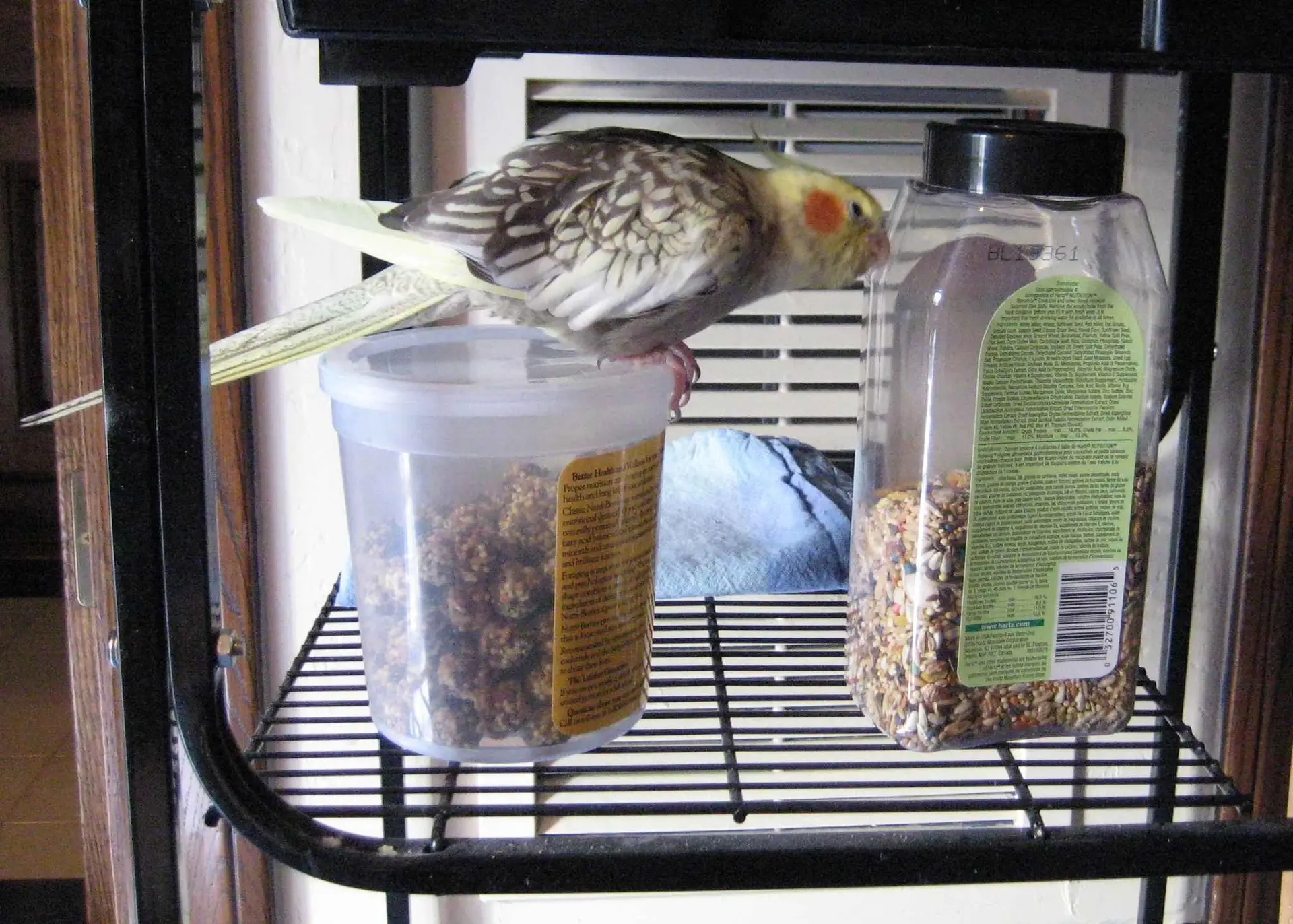
Here’s a list of safe seeds for your cockatiel:
| Seed | Key Nutrients | Main Benefit |
|---|---|---|
| Millet | Carbohydrates, protein, B vitamins | Provides energy and can be useful as part of a varied seed selection |
| Sunflower Seeds | Healthy fats, protein, Vitamin E | Provides energy and healthy fats but should be offered sparingly |
| Sesame Seeds | Healthy fats, calcium, protein | Provides healthy fats and minerals in small amounts |
| Flaxseeds | Omega-3 fatty acids, fiber, protein | Provides omega-3 fats and dietary fiber |
| Hemp Seeds | Protein, healthy fats, minerals | Provides protein and healthy fats as an occasional dietary addition |
| Pumpkin Seeds | Magnesium, zinc, healthy fats, protein | Provides minerals and healthy fats in small portions |
| Chia Seeds | Omega-3 fatty acids, fiber, calcium | Provides fiber, omega-3 fats, and minerals |
| Poppy Seeds | Healthy fats, calcium, minerals | Adds dietary variety when offered in very small amounts |
| Canola Seeds | Healthy fats, protein | Provides energy and dietary variety in a suitable seed mix |
📌 Important Note:
Seeds can be part of a cockatiel’s diet, but they should not replace a nutritionally complete diet. Many seeds are relatively high in fat, so offer them in appropriate small amounts and avoid salted, seasoned, flavored, or processed seed products.
💡 Expert Tip:
From my experience, sunflower seeds are often a cockatiel’s favorite, which makes them useful as an occasional training reward. However, birds can quickly learn to pick out their favorite high-fat seeds and ignore healthier foods. Offering a varied diet rather than a seed-only bowl helps prevent this selective eating habit.
Safe Nuts
Nuts give your bird healthy fats and protein. Almonds, walnuts, and pecans are safe choices. Because nuts carry high calories, I chop them up and only offer tiny bits. Do not feed your bird salted or roasted nuts from the human snack aisle. Always buy raw, unsalted nuts. Cracking a tough walnut shell gives your cockatiel a fun puzzle that keeps its beak busy for hours. I attest to a safe nut list (cockatiel bird food list chart) for you from my experience.
Here’s a list of safe nuts for your cockatiel:
| Nut | Key Nutrients | Main Benefit |
|---|---|---|
| Almonds | Protein, healthy fats, magnesium | Provides protein and healthy fats in small amounts |
| Walnuts | Omega-3 fats, protein, antioxidants | Adds healthy fats and dietary variety |
| Hazelnuts | Healthy fats, protein, vitamin E | Provides healthy fats and antioxidant nutrients |
| Cashews | Protein, healthy fats, magnesium | Provides protein and minerals as an occasional treat |
| Brazil Nuts | Healthy fats, protein, selenium | Provides minerals and healthy fats in very small portions |
| Pistachios | Protein, healthy fats, antioxidants | Adds nutritional variety when offered unsalted |
| Pine Nuts | Healthy fats, protein, magnesium | Provides energy and healthy fats as an occasional treat |
| Macadamia Nuts | Healthy fats, manganese, protein | Provides energy and dietary variety in tiny portions |
📌 Important Note
Nuts are calorie-dense and should only be offered in very small amounts as an occasional treat. Always choose plain, unsalted nuts with no added sugar, seasoning, chocolate, or other flavorings. Avoid moldy, stale, or damaged nuts.
💡 Expert Insight
From my experience, nuts work best as small training treats rather than a regular part of a cockatiel’s main meal. Breaking a nut into tiny pieces lets you offer a reward without adding too many calories to the daily diet.
📚 References
- Association of Avian Veterinarians (AAV) – Companion bird nutrition guidance.
- Merck Veterinary Manual – Nutritional management of pet birds.
- LafeberVet – Companion bird nutrition and dietary management.
Human Foods
Sharing breakfast with your bird feels like a bonding moment. You can safely offer a plain, hard-boiled egg for extra protein. Plain, unsweetened oatmeal works well on cold mornings. Whole wheat pasta without sauce is another fun snack. Make sure the food is completely plain. Never share anything that has butter, salt, or spices on it. Keep human food as an occasional treat rather than a main meal. Based on my experience, I provide a safe human food list (cockatiel bird food list chart) below.
Here’s a list of safe human foods for your cockatiel:
| Human Food | Key Nutrients | Main Benefit |
|---|---|---|
| Cooked Rice | Carbohydrates, small amounts of protein | Provides energy and dietary variety when served plain |
| Whole-Grain Pasta | Carbohydrates, fiber, B vitamins | Provides energy and additional fiber |
| Oatmeal | Fiber, carbohydrates, B vitamins | Supports dietary variety and provides energy |
| Plain Popcorn | Carbohydrates, fiber | Provides a light, crunchy treat when unsalted and unbuttered |
| Boiled Eggs | High-quality protein, vitamin B12, selenium | Provides protein that supports feather and muscle health |
| Cooked Potatoes | Carbohydrates, potassium, vitamin C | Provides energy and dietary variety when plain and fully cooked |
| Cheese | Protein, calcium, fat | Provides protein and calcium, but dairy should be limited or avoided because birds have limited ability to digest lactose |
| Unsweetened Yogurt | Protein, calcium | May provide protein and calcium, but dairy tolerance varies and it should not be a regular food |
| Whole-Wheat Bread | Carbohydrates, fiber, B vitamins | Provides energy and dietary variety when plain and offered occasionally |
| Sweetcorn | Carbohydrates, fiber, folate, vitamin C | Provides energy, fiber, and variety in the diet |
📌 Important Note
Human foods should remain occasional additions, not replacements for a nutritionally complete cockatiel diet. Avoid foods containing salt, sugar, butter, sauces, spices, chocolate, caffeine, onion, or garlic.
💡 Expert Insight
From my experience, the safest approach with human foods is to offer only plain, freshly prepared portions. A food that is safe by itself can become unsuitable once salt, butter, seasoning, or sauces are added.
📚 References
- Association of Avian Veterinarians (AAV) – Companion bird nutrition guidance.
- Merck Veterinary Manual – Nutritional management of companion birds.
- LafeberVet – Companion bird nutrition and dietary management.
Pellets
Pellets are an essential part of a cockatiel’s diet. They offer a balanced and complete source of nutrition that helps keep your bird healthy and strong. While fresh foods and treats are important, pellets can be relied on to provide your cockatiel with all the necessary vitamins and minerals. Introducing them into their meals can make feeding easier, ensuring they get the nutrients they need. I share my opinion about pellets.
Here’s a list of great pellet options for your cockatiel:
| Pellet Option | Key Features | Main Benefit |
|---|---|---|
| High-Quality Cockatiel Pellets | Formulated for cockatiels with balanced vitamins and minerals | Provides a nutritionally balanced foundation for the daily diet |
| Organic Pellets | Made with organically sourced ingredients, depending on the product | Offers a pellet-based option for owners who prefer organic ingredients |
| Nutri-Berries | Pellet nutrition combined with seeds and grains in a textured format | Can provide nutrition while offering variety and foraging enrichment |
| Harrison’s Bird Foods | Formulated bird pellets made with carefully selected ingredients | Provides a complete, nutritionally balanced option for companion birds |
| ZuPreem FruitBlend Pellets | Pellet food with fruit-shaped pieces and added vitamins and minerals | May make pellet conversion easier for some birds because of its appearance and variety |
| Lafeber’s Premium Daily Diet | Designed as a daily food for companion birds | Provides balanced nutrition while adding variety to the feeding routine |
📌 Important Note
Not every pellet is suitable for every cockatiel. Choose a product formulated for the bird’s species and life stage, and follow the manufacturer’s feeding guidance. Pellets should form the nutritional foundation rather than being mixed with large amounts of seeds or treats.
💡 Expert Insight
From my experience, the biggest challenge is often getting a seed-focused cockatiel to accept pellets. Introducing pellets gradually and offering them consistently can work better than removing the bird’s familiar food suddenly. Watch your bird’s weight and food intake during any diet transition.
📚 References
- Association of Avian Veterinarians (AAV) – Companion bird nutrition guidance.
- Merck Veterinary Manual – Nutritional management of companion birds.
- LafeberVet – Companion bird nutrition and dietary management.
Offering a mix of foods ensures your cockatiel enjoys a delicious and balanced diet every day. Keep an eye on your bird’s health, and if you notice any changes, consult your vet for guidance on the best food choices.
Cooked Grains
Cooked grains can be a wonderful addition to your cockatiel’s diet. They’re full of nutrients and provide variety, which is essential for keeping your bird healthy and happy. Adding cooked grains is a great way to offer them something different while making sure they get the right balance of energy.
Here’s a list of safe cooked grains for your cockatiel:
| Cooked Grain | Key Nutrients | Main Benefit |
|---|---|---|
| Brown Rice | Carbohydrates, fiber, manganese | Provides energy, fiber, and dietary variety |
| Oats | Fiber, carbohydrates, protein | Adds fiber and provides a nutritious source of energy |
| Quinoa | Protein, fiber, magnesium | Provides plant-based protein and minerals |
| Barley | Fiber, carbohydrates, selenium | Adds fiber and dietary variety to the diet |
| Millet | Carbohydrates, protein, magnesium | Provides energy and variety when cooked and served plain |
| Buckwheat | Protein, fiber, magnesium | Provides plant-based nutrients and dietary variety |
📌 Important Note
Always serve cooked grains plain, fully cooked, cooled, and free from salt, sugar, butter, oil, spices, or sauces. Grains should be an occasional addition to a balanced cockatiel diet rather than replacing nutritionally complete pellets.
💡 Expert Insight
From my experience, plain cooked grains can be useful for adding variety, especially when mixed with a small amount of bird-safe vegetables. However, I would avoid making grains the main part of the meal because they do not provide the complete nutrition a cockatiel needs from a properly formulated diet.
📚 References
- Association of Avian Veterinarians (AAV) – Companion bird nutrition guidance.
- Merck Veterinary Manual – Nutritional management of companion birds.
- LafeberVet – Companion bird nutrition and dietary management.
Grains provide a healthy source of fiber and protein. When you cook them, make sure they’re soft and plain, with no added salt or seasoning. Offering a variety of these grains helps keep their meals exciting and nutritious! Your cockatiel will love the new textures and flavors while staying strong and healthy.
Toxic & Unsafe Foods
| Food | Safe? | Benefit/Risk | Frequency |
|---|---|---|---|
| Avocado | ❌ No | Contains persin, which is toxic to birds | Never |
| Chocolate | ❌ No | It can affect the heart and nervous system | Never |
| Caffeine | ❌ No | May cause rapid heartbeat and hyperactivity | Never |
| Alcohol | ❌ No | Highly toxic and potentially fatal | Never |
| Onion | ❌ No | May damage red blood cells | Never |
| Garlic | ❌ No | Can cause digestive and blood-related issues | Never |
| Apple Seeds | ❌ No | May contain cyanide compounds | Never |
| Cherry Pits | ❌ No | Contain toxic compounds | Never |
| Peach & Plum Pits | ❌ No | May contain cyanide compounds | Never |
| Rhubarb | ❌ No | Contains substances that are toxic to birds | Never |
Some foods are not safe for cockatiels. Even though they might seem harmless to us, they can pose a serious risk to your bird’s health. It’s so important to avoid these foods to keep your feathered friend safe and sound. If you can avoid them, I share below. Your pet birds will be healthy & happy.
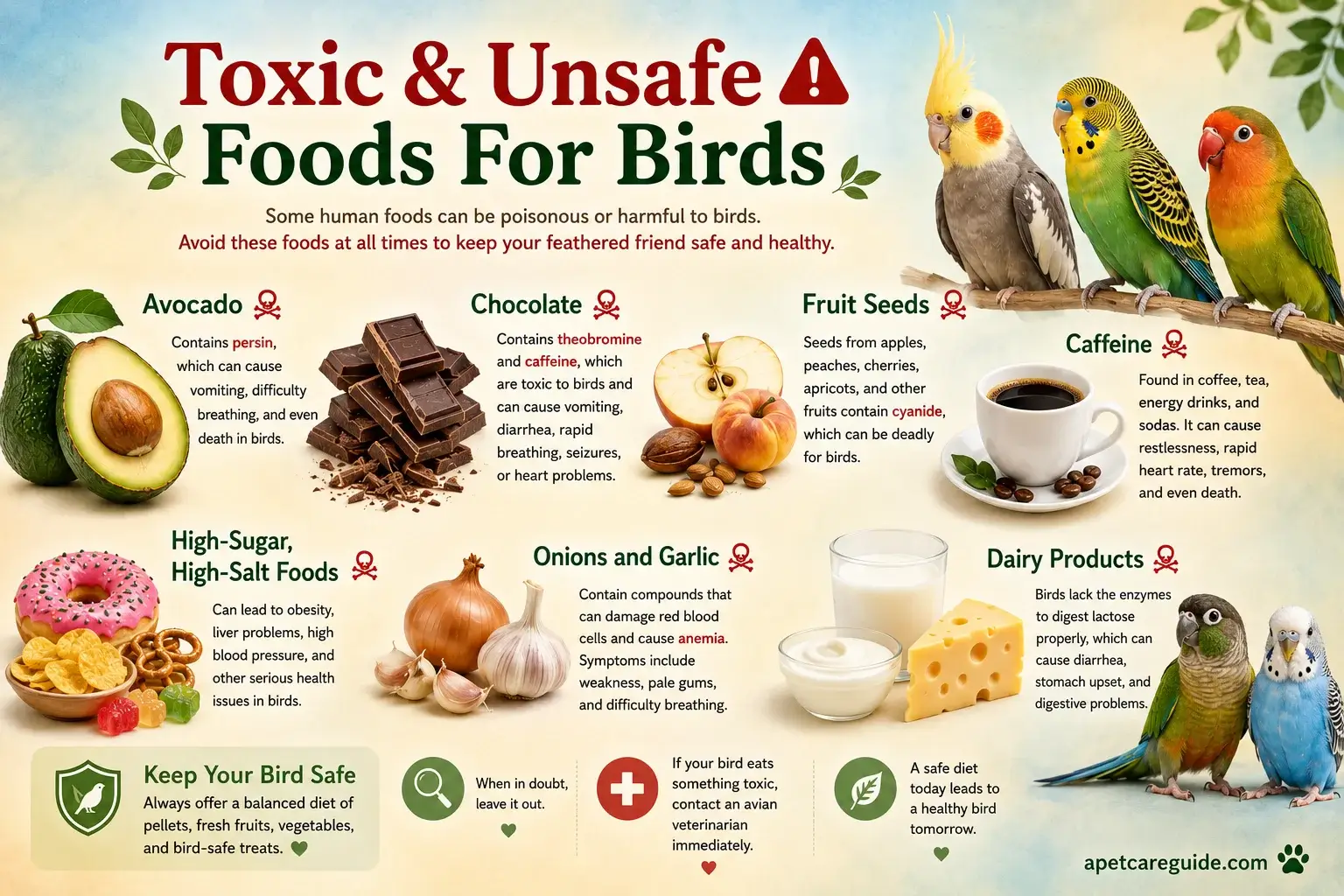
Avocado
Avocado is one of the most dangerous foods for birds. It contains a toxin called persin that damages the heart and lungs. Eating even a small amount can lead to death within a few hours. Never give your cockatiel any part of an avocado, including the skin or the pit.
Here’s why avocado is bad for cockatiels:
- Contains persin, a toxin harmful to birds
- It can cause heart damage
- May lead to respiratory distress
- Can result in vomiting and diarrhea
Chocolate
Chocolate contains chemicals like theobromine and caffeine that birds cannot process. These toxins speed up the heart and cause seizures or tremors. Chocolate is a major poison for cockatiels and often leads to death. Keep all candy, cookies, and cocoa powder locked away from your curious bird.
Fruit Seeds
While the fruit itself is often safe, the seeds and pits of apples, cherries, and peaches contain cyanide. This poison stops the bird’s blood from carrying oxygen. Always core and slice fruit carefully to remove every single seed. Serving fruit with the seeds still inside puts your bird’s life at risk.
Here’s a list of fruit seeds to avoid for your cockatiel:
- Apple seeds
- Pear seeds
- Cherry pits
- Peach pits
- Plum pits
Caffeine
Caffeine is a powerful stimulant that a bird’s tiny body cannot handle. It causes an irregular heartbeat and can lead to a sudden heart attack. Never let your cockatiel sip on coffee, tea, or soda. Stick to clean, fresh water to keep your bird hydrated and safe from heart stress.
High-Sugar, High-Salt Foods
Salty snacks like chips cause extreme thirst and kidney damage in small birds. Sugary foods lead to obesity and liver problems over time. These “junk foods” offer no nutrition and slowly hurt your bird’s internal organs. Always choose natural, plain snacks instead of processed human treats to ensure a long life.
Here’s a list of high-sugar, high-salt foods to avoid for your cockatiel:
- Chocolate
- Chips
- Processed snacks
- Pretzels
- Sweets or candy
- Fruit juices
- Canned food
- Packaged cereals
- Fast food
Why They’re Harmful:
These foods are harmful because they can upset your bird’s digestion, cause kidney damage, and even lead to obesity. The extra sugar and salt in their diet can throw off the balance of their health, leading to serious long-term issues. It’s always best to offer fresh, natural treats that support your cockatiel’s well-being.
Onions and Garlic
Onions and garlic contain compounds that destroy a bird’s red blood cells. This causes a condition called anemia, which makes the bird very weak and tired. Whether they are raw, cooked, or powdered, these ingredients are toxic. Avoid feeding your bird any table scraps that might have these spices hidden inside.
Dairy Products
Dairy products may be a common part of our diet, but they’re not good for cockatiels. Birds, especially cockatiels, have difficulty digesting dairy, and it can cause stomach problems or even more serious health issues. It’s best to avoid giving them any dairy at all.
Here’s a list of dairy products to avoid for your cockatiel:
- Milk (can cause digestive issues)
- Cheese (can lead to an upset stomach)
- Yogurt (high in lactose, hard to digest)
- Cream (rich in fat, difficult for birds to process)
- Butter (too fatty for their system)
Although we enjoy these foods, it’s important to remember that cockatiels cannot handle dairy well. Stick to fresh fruits, veggies, and other bird-friendly treats to keep them feeling their best!
Symptoms of Food Poisoning in Cockatiels
If a cockatiel accidentally eats toxic food, symptoms may appear within a few minutes or several hours, depending on the type and amount of food consumed. Some birds become quiet and weak, while others develop serious breathing or digestive problems. Early recognition is important because prompt veterinary treatment can greatly improve the chances of recovery.
| Symptom | What It May Mean | What You Should Do |
|---|---|---|
| Vomiting | Digestive irritation or poisoning. | Remove the food and contact an avian veterinarian immediately. |
| Weakness | Toxic substances may be affecting the nervous system. | Keep the bird warm and seek veterinary care. |
| Difficulty Breathing | Serious poisoning or respiratory distress. | Emergency veterinary treatment is required. |
| Diarrhea | Digestive upset or toxin exposure. | Provide fresh water and contact your veterinarian. |
| Loss of Appetite | Early sign of illness or poisoning. | Observe closely and seek medical advice if it continues. |
| Seizures or Tremors | Severe poisoning. | Emergency treatment is essential. |
📌 Important Note
Never try to treat food poisoning at home with human medications. Many common medicines are highly toxic to birds and may worsen the condition.
💡 Expert Tip
From my experience, many bird owners wait too long after noticing symptoms. Cockatiels hide illness very well, so even mild weakness or loss of appetite should be taken seriously after eating a questionable food.
📚 References
- Association of Avian Veterinarians (AAV)
- Merck Veterinary Manual
- Cornell University College of Veterinary Medicine
What to Do Immediately
If you believe your cockatiel has eaten a toxic food, act as quickly as possible. Birds have a very fast metabolism, which means harmful substances can spread through their bodies much faster than in larger animals. Taking the right steps immediately may improve your bird’s chances of recovery.
Here’s what you should do right away:
- Remove the toxic food from the cage and prevent your cockatiel from eating any more.
- Place your bird in a quiet, warm, and stress-free environment.
- Provide fresh, clean drinking water, but never force your bird to eat or drink.
- Identify exactly what food your cockatiel consumed and estimate how much was eaten.
- Save the food packaging or take a photo if possible, as this may help your veterinarian identify the toxin.
- Contact an avian veterinarian or emergency bird clinic immediately for professional advice.
- Carefully observe your bird for changes in breathing, posture, droppings, or behavior while waiting for veterinary instructions.
- Never give human medicine or attempt home remedies unless specifically instructed by an avian veterinarian.
Expert Insight: From my experience, many owners lose valuable time searching online for home treatments. If your cockatiel has eaten a known toxic food like avocado, chocolate, or caffeine, contacting an avian veterinarian immediately is always the safest course of action.
When to Call a Veterinarian
Cockatiels often hide signs of illness until they become seriously sick. Even mild symptoms can indicate a medical emergency after exposure to toxic foods. If you notice any unusual behavior, do not wait to see if your bird improves on its own.
Seek veterinary care immediately if your cockatiel shows any of these signs:
- Difficulty breathing or open-mouth breathing
- Continuous vomiting or repeated regurgitation
- Severe weakness or inability to perch
- Tremors, seizures, or loss of balance
- Persistent diarrhea
- Complete loss of appetite
- Swollen abdomen or unusual lethargy
- Collapse or unconsciousness
Even if your cockatiel appears normal after eating a known toxic food, you should still contact an avian veterinarian. Some toxins may not cause visible symptoms until significant internal damage has already occurred.
Expert Insight: One lesson I’ve learned is that waiting “just a few hours” can sometimes make treatment much more difficult. Cockatiels naturally hide illness as a survival instinct, so by the time symptoms become obvious, the condition may already be serious. When in doubt, it’s always better to call an avian veterinarian sooner rather than later.
Reference: Guidance is consistent with recommendations from the Association of Avian Veterinarians (AAV), Merck Veterinary Manual, and Cornell University College of Veterinary Medicine, all of which emphasize early veterinary intervention for suspected poisoning.
Male vs Female Cockatiel Diet
Most healthy male and female cockatiels can eat the same balanced diet. The main nutritional difference usually appears when a female is laying eggs, because producing eggs places additional demands on her body, particularly for calcium and other nutrients.
A healthy adult diet should still be based on a quality cockatiel pellet diet, fresh vegetables, appropriate amounts of fruit, and limited seeds and treats. Simply feeding a female more food because she is female is not necessary. Instead, her diet should be adjusted when breeding or egg-laying increases her nutritional needs.
Male Cockatiel Diet
A healthy adult male cockatiel generally does not require a special male-only diet.
His regular diet can include:
- High-quality cockatiel pellets
- Fresh vegetables
- Small amounts of fruit
- Limited seeds
- Occasional healthy treats
- Fresh, clean water
Maintaining a balanced diet and healthy body weight is more important than giving extra calories or protein simply because the bird is male.
Female Cockatiel Diet
A female cockatiel can normally eat the same balanced diet as a male. However, females that lay eggs may require closer attention to calcium intake, overall nutrition, hydration, and body condition.
Repeated egg-laying can place considerable nutritional demands on a female bird. Calcium is particularly important because eggshell formation requires calcium.
Good calcium-containing options can include:
- Calcium-rich leafy greens
- Kale
- Broccoli
- Calcium-containing pellets
- Cuttlebone, when appropriate
- Veterinarian-recommended calcium supplementation when necessary
However, do not automatically give calcium supplements simply because your bird is female. Excess supplementation can also be harmful. If a female is laying eggs repeatedly, producing soft-shelled eggs, becoming weak, or showing other abnormal signs, an avian veterinarian should evaluate her.
Calcium Needs During Egg Laying
This is the part I would definitely include because it gives your article a much stronger health + nutrition angle.
When a female cockatiel produces an egg, calcium is used to form the eggshell. A diet that is consistently poor in calcium can contribute to nutritional problems, especially when egg-laying occurs repeatedly. Instead of relying on one food, focus on an overall balanced diet.
Calcium-supporting foods
| Food | Why It Can Help |
|---|---|
| Kale | Provides calcium and other important nutrients. |
| Broccoli | Provides calcium along with fiber and vitamins. |
| Calcium-Fortified Pellets | Helps provide balanced nutrition and dietary calcium. |
| Cuttlebone | Can provide an additional source of calcium for birds. |
| Veterinarian-Approved Calcium Sources | May be useful when dietary calcium intake is insufficient and supplementation is recommended by a veterinarian. |
📌 Important Note: Calcium requirements vary between individual cockatiels. A veterinarian should determine whether calcium supplementation is actually necessary. Do not give concentrated calcium supplements or human calcium products without veterinary guidance, as excessive supplementation can also cause health problems.
💡 Expert Insight:
From my experience, one of the biggest mistakes owners make is assuming that every female cockatiel needs extra calcium simply because she is female. The real concern is when a female is laying eggs, laying repeatedly, or showing signs of nutritional stress. A balanced diet should come first, while calcium supplementation should be based on the bird’s individual needs and veterinary advice.
Male and female cockatiels generally do not need completely different diets. The major nutritional consideration is an egg-laying female’s increased nutritional demand. Never give concentrated calcium supplements or human calcium products without veterinary guidance.
Seasonal Feeding Guide for Cockatiels
A cockatiel’s basic diet should remain balanced throughout the year, but seasonal changes can affect hydration, food freshness, activity, feather growth, and reproductive needs. Instead of completely changing your bird’s diet with every season, focus on adjusting feeding practices when needed and paying closer attention to your cockatiel’s condition.
Summer Feeding
Hot weather makes hydration and food safety especially important. Always provide your cockatiel with clean, fresh drinking water and change it regularly. Water bowls should also be cleaned frequently because warm conditions can allow contamination to develop more quickly.
You can continue offering your usual balanced diet while including water-rich fresh foods such as cucumber and small portions of suitable fruits. However, fresh fruits and vegetables should not be left in the cage for long periods, particularly in warm weather. Remove uneaten fresh food before it begins to spoil.
Avoid using sugary drinks, fruit juice, or other human beverages as a replacement for fresh water.
Expert Insight
During hot weather, I pay more attention to how long fresh food remains in the cage than to adding extra foods to the diet. A cockatiel may continue nibbling on soft food after it has started to spoil, so offering smaller portions and removing leftovers promptly is a simple habit that can improve food hygiene.
Winter Feeding
Cold weather does not automatically mean that a healthy cockatiel needs a completely different diet. Continue providing a nutritionally balanced diet with appropriate pellets, vegetables, limited fruit, and treats.
Some owners increase sunflower seeds or other fatty foods during winter because they believe these foods will help keep a bird warm. However, adding large amounts of high-fat seeds can contribute unnecessary calories and may encourage an unbalanced diet.
Instead, monitor your cockatiel’s body condition, activity, appetite, and overall behavior. Always make sure fresh drinking water is available, particularly when indoor heating may make the environment dry.
Expert Insight
I would not use extra sunflower seeds as a routine “winter food.” Maintaining a balanced diet and a healthy body weight is more important than simply adding high-fat treats. If a cockatiel is underweight, ill, or has a special nutritional requirement, dietary changes should be discussed with an avian veterinarian.
Feeding During Molting
Molting is a normal process in which cockatiels replace old feathers with new ones. During this period, maintaining a balanced diet becomes particularly important because healthy feather growth depends on adequate overall nutrition.
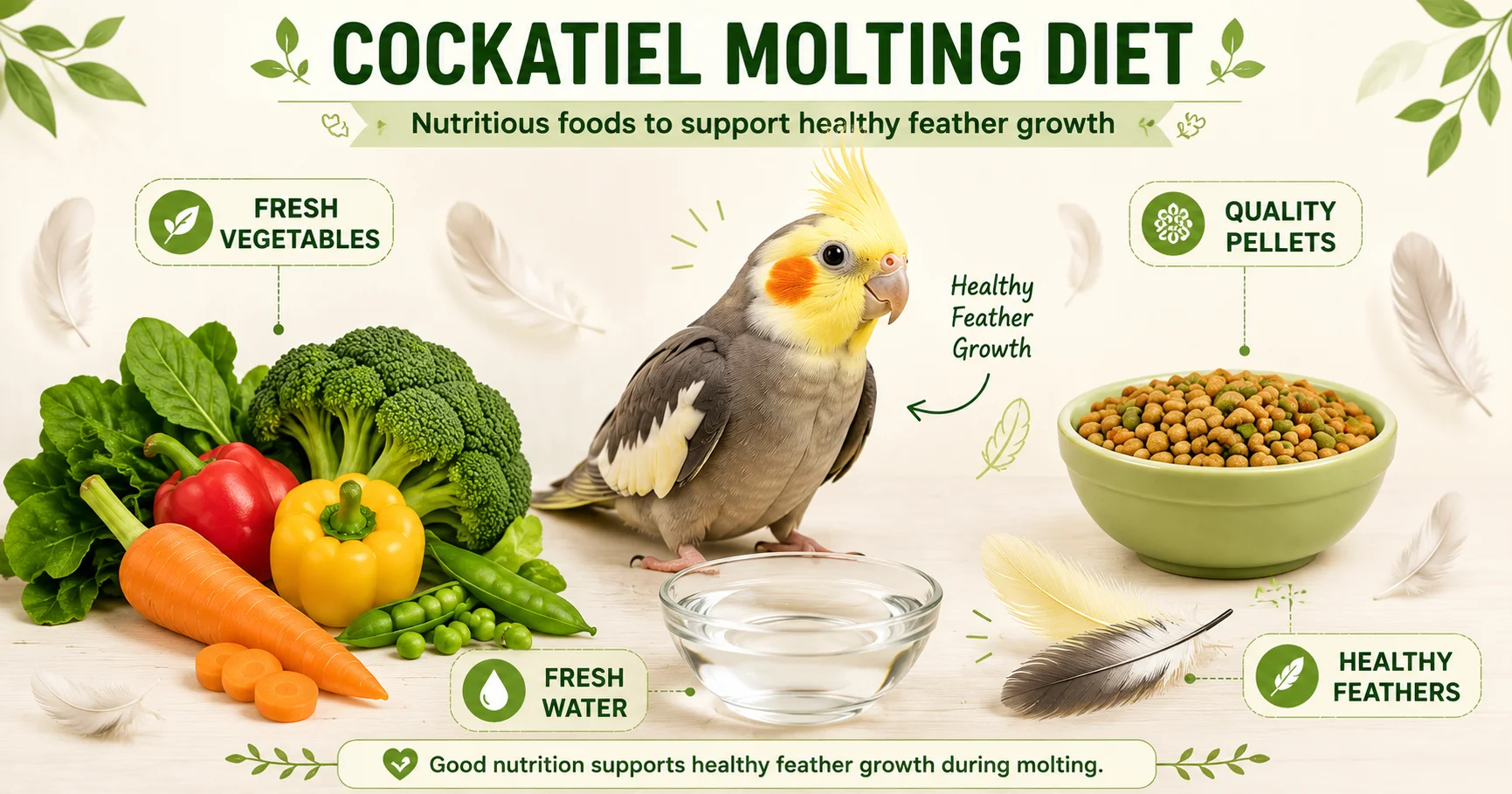
Continue offering a quality, nutritionally complete diet along with suitable fresh vegetables and adequate water. Foods such as leafy greens, carrots, broccoli, bell peppers, and other safe vegetables can provide useful vitamins and minerals as part of dietary variety.
Do not assume that molting means your cockatiel needs large amounts of eggs, nuts, or seeds. Adding one “special” food does not correct an otherwise unbalanced diet. Instead, focus on the quality of the entire diet.
If you notice unusually poor feather quality, prolonged or abnormal molting, significant weight loss, persistent weakness, or other signs of illness, speak with an avian veterinarian.
Expert Insight
During molting, I would focus on improving the overall quality of the diet rather than looking for one special “molting food.” A seed-heavy diet followed by extra treats is not a good substitute for balanced nutrition. Variety is useful, but the nutritional foundation should remain consistent.
Breeding Season and Egg-Laying Females
Breeding and egg production can increase a female cockatiel’s nutritional demands. Calcium is particularly important because producing eggs requires calcium, but simply adding a calcium supplement is not appropriate for every bird.
A balanced diet, nutritionally complete pellets, suitable vegetables, and access to an appropriate calcium source such as cuttlebone can help support normal nutrition. However, individual needs can vary, especially in birds that lay eggs repeatedly or have a history of nutritional problems.
Avoid giving calcium supplements or other concentrated supplements routinely unless an avian veterinarian recommends them. Excess supplementation can also create health problems.
If a female cockatiel is laying eggs frequently, appears weak, has difficulty passing an egg, shows unusual posture or breathing, or experiences other concerning symptoms, veterinary attention is important.
Expert Insight
From a pet-owner perspective, I would never treat repeated egg laying simply by adding more calcium to the food without understanding why it is happening. Calcium is important, but reproductive health involves more than one nutrient. A female that repeatedly lays eggs deserves proper evaluation and an individualized plan from an avian veterinarian.
| Season / Life Stage | Main Focus | What to Watch |
|---|---|---|
| Summer | Hydration and fresh-food safety | Water cleanliness, spoiled fresh food, appetite |
| Winter | Balanced nutrition and body condition | Weight, activity, hydration |
| Molting | Overall balanced nutrition and hydration | Feather quality, weight loss, abnormal molt |
| Breeding / Egg-Laying | Balanced nutrition and adequate calcium | Frequent laying, weakness, reproductive problems |
📌 Important Note: Seasonal feeding does not mean completely changing your cockatiel’s diet every few months. A nutritionally balanced diet should remain the foundation throughout the year. Adjustments should be based on your bird’s age, activity, health, reproductive status, and veterinary recommendations.
Nutritionally Balanced Cockatiel Diet Overview (Diet Chart)
A balanced diet is essential for keeping your cockatiel happy and healthy. Their meals should include a variety of foods to meet all their nutritional needs. Now I’ll outline an idea for a nutritionally balanced cockatiel diet using percentages. A good diet includes pellets (60–70%), which provide essential vitamins and minerals, and budgie seed mix and treats (<10%), for healthy fats and proteins. Vegetables 20–25%, like spinach and carrots, add fiber and important nutrients. Fruits (5–10%) offer natural sugars and antioxidants and can be offered sparingly to keep your cockatiel excited and engaged. Offering this mix ensures your bird stays vibrant, energetic, and full of life!
Food Safety & Preparation Tips
Food safety and freshness are crucial for your cockatiel’s health. If you want to be healthy, happy, and safe, always check the food before serving it. A clean feeding area also ensures they stay healthy. Here are some tips to keep their food safe and fresh:
- Check Freshness: Always make sure the food is fresh and not expired. Avoid giving spoiled food.
- Clean Dishes: Wash their food and water dishes every day to prevent bacterial growth.
- Proper Storage: Store food in airtight containers to keep it fresh longer.
- Wash Produce: Wash fruits and vegetables thoroughly to remove pesticides.
- Cut Food into Small Pieces: This makes it easier for your cockatiel to eat and enjoy their meals.
By following these simple steps, you’re helping your cockatiel stay healthy and energetic. Healthy meals make happy birds!
Tips for Cockatiel Feeding
Feeding your cockatiel properly is important to keep it healthy and happy. You’ll want to pay close attention to their hydration and introduce new foods gradually. Here are some tips on how you can do that:
- Hydration: Always provide fresh water for your cockatiel. Change their water every day to keep it clean.
- Introduce New Foods Slowly: When introducing new foods, do it gradually. Cockatiels might be picky, so it’s best to add small amounts of new items to their diet.
- Variety is Key: Make sure they get a mix of foods for a balanced diet, like seeds, fruits, and veggies.
- Watch for Reactions: Keep an eye on how they react to new foods. If they seem unwell, stop offering that food.
These simple tips can help keep your cockatiel hydrated and excited to try new foods while staying healthy!
Additional Care Tips for Cockatiels
Taking good care of your cockatiel goes beyond just feeding it properly. There are a few more things you should pay attention to for their overall well-being. Here are some additional care tips:
- Monitor Weight: Keep track of your cockatiel’s weight to make sure they’re not getting too heavy or too light. A healthy weight ensures they’re getting the right nutrition.
- Treats: Offer treats in moderation. Too many treats can lead to obesity, so make sure to balance them with their regular food.
- Consult a Veterinarian: Regular check-ups with a vet are essential for your cockatiel’s health. A vet can spot any health issues early and give you advice on how to keep them feeling their best.
By following these simple steps, your cockatiel will have the best care and remain healthy and happy!
FAQ: Cockatiel Bird Food List Chart
Are Dried Fruits Safe for Cockatiels?
Dried fruits can be given to cockatiels in moderation. Ensure they are unsweetened, free from preservatives, and offered as an occasional treat to avoid excessive sugar intake.
Can Cockatiels Eat Fruit Pits?
No. Cockatiels should not eat fruit pits or seeds from apples, cherries, peaches, plums, or pears because they may contain toxic compounds.
How Much Food Do Cockatiels Need?
Cockatiels need about 1 to 2 tablespoons of pellets daily, along with fresh fruits, vegetables, and some seeds. Adjust portions based on their activity level and health.
What is a cockatiel’s favorite food?
Cockatiels love a variety of fresh fruits like apples, berries, and grapes. They also enjoy leafy greens like spinach and kale, and sometimes seeds are a favorite treat. I already share this on my cockatiel bird food list chart.
Diet is only one part of keeping a cockatiel healthy. For broader bird wellness tips, see our guide to bird health care.
Final Thoughts about the Cockatiel Bird Food List Chart
Feeding your cockatiel the right foods is key to keeping it healthy and happy. A balanced diet of fresh fruits, vegetables, seeds, and pellets will help them stay strong and energized. Offering a variety of foods keeps their meals exciting, which also makes feeding time more enjoyable for you. It’s not just about nutrition—watching your cockatiel enjoy fresh food creates a strong bond between you and your bird. Remember to keep their food clean and safe, and always offer fresh water. By following these simple steps, you’re giving your cockatiel the care it deserves for a long, joyful life.