

Have you ever watched your little parakeet peck at the same old seeds and felt a pang of sympathy? I certainly have. It led me down a wonderful path of discovering what can parakeets eat besides bird food. Offering a varied diet is not just a kind gesture; it’s a foundation for their long-term health, happiness, and mental stimulation. By introducing new tastes and textures, you’re not just feeding your pet; you’re adding so much joy to their life.
Microwave-Dried Mealworms
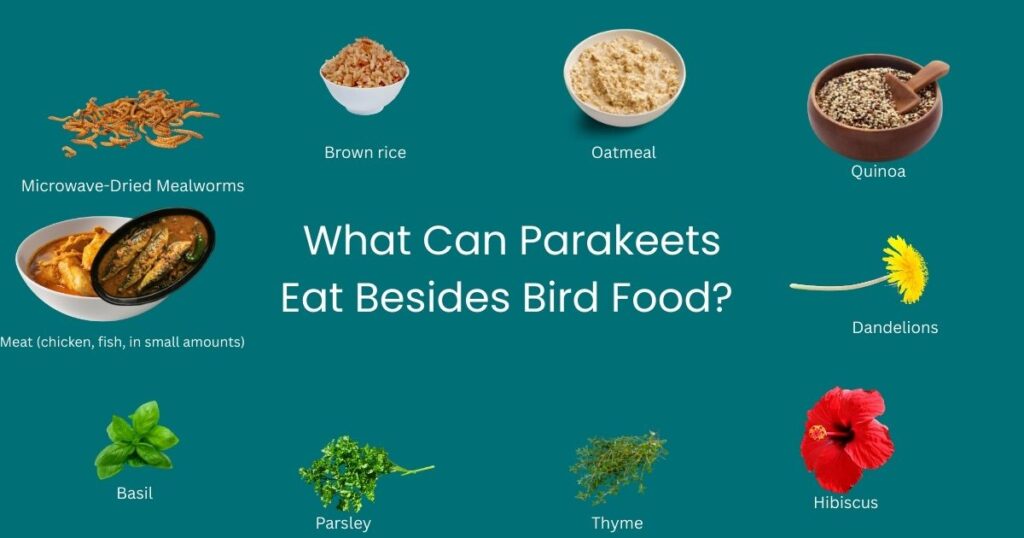
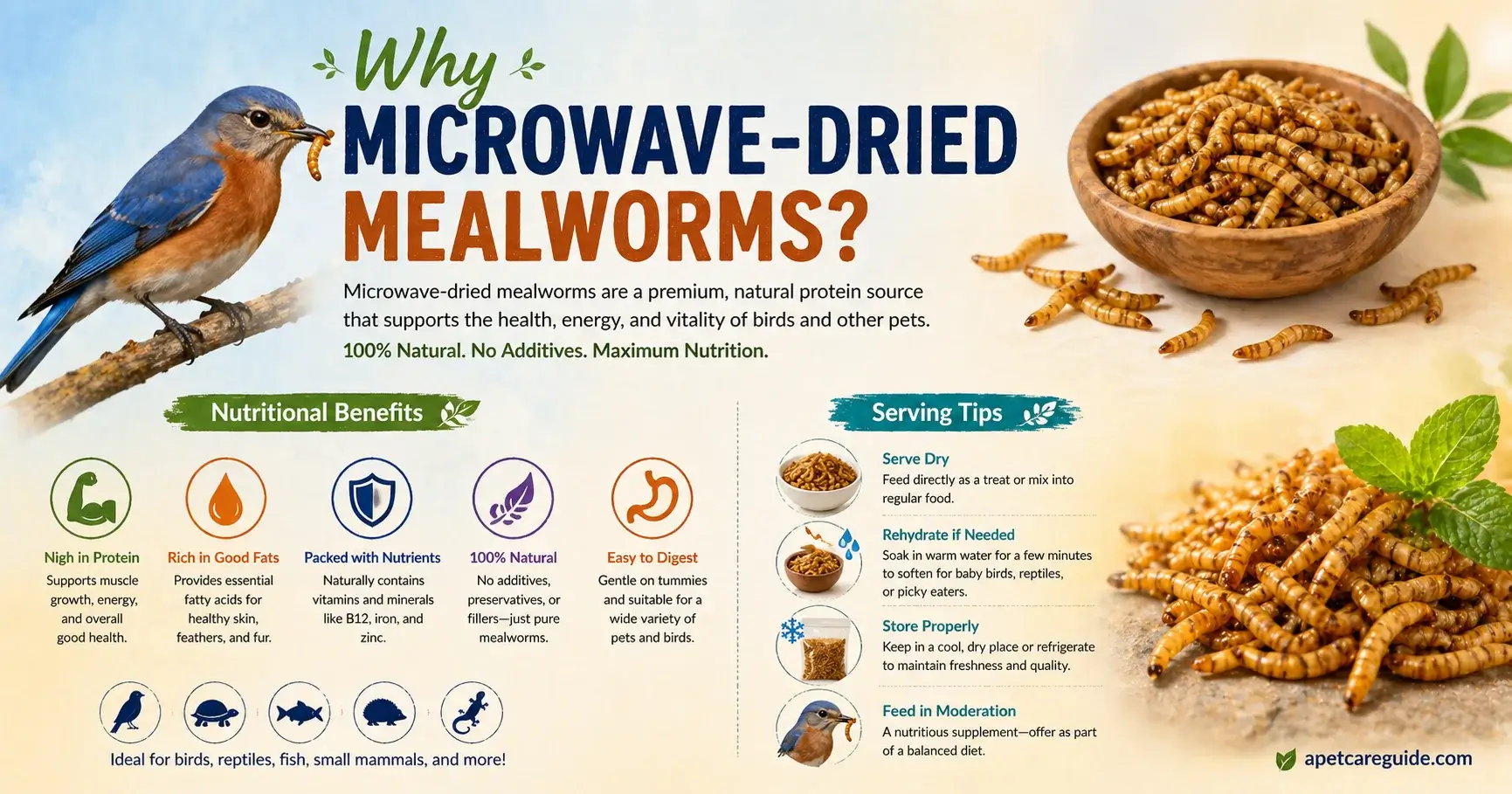
It might sound unusual, but one of the most exciting answers to what can parakeets eat besides bird food is found in the world of insects. I’ve discovered that Microwave-Dried Mealworms can be an incredible addition to their diet. Now, I am sharing why you need Microwave-Dried Mealworms, their nutritional benefits, and serving tips for your pet birds.
Why Microwave-Dried Mealworms?
These are not the wriggly live insects you might be imagining. The dried version is immaculate, lasts for a long time in the pantry, and is super easy to serve—the drying method locks in all the goodness without any of the mess.
Nutritional Benefits
Mealworms are a true protein powerhouse. This protein is essential for strong muscles and brilliant, healthy feathers. They also contain good fats that help keep your parakeet’s plumage looking glossy and beautiful.
Serving Tips
You don’t need many; one or two mealworms offered a couple of times per week is perfect. I like to crush them up and mix them into my bird’s regular food. You can also offer a piece from your hand to build a wonderful, trusting bond.
Fruits
Fruits are a fantastic source of vitamins and a sweet treat that most parakeets absolutely adore. Think of them as bird candy, but healthy! However, you must serve them in small amounts because they are high in sugar. Always wash fruits well to remove any pesticides.
Apples (remove seeds)
Apples are a classic favorite, but this is so important: you must remove every single seed. Apple seeds are dangerous. I always slice a tiny, thin piece for my birds, making sure the core is gone. They love the crisp texture and sweet juice.
Bananas
My parakeets go crazy for bananas. This soft, sweet fruit is easy for them to eat and is packed with potassium. You only need to offer a tiny slice. Sometimes I mash a little bit and offer it from my finger; it’s a great bonding moment.
Berries (strawberries, raspberries, blueberries)
Berries are like little colorful jewels for your bird. Strawberries, raspberries, and blueberries are all safe. They are full of antioxidants. I find cutting them in half makes it easier for their small beaks to manage. Plus, it can be fun to watch them.
Grapes (cut in halves)
Grapes are another juicy favorite. Because they are large and have tough skin, you must cut them in half or even quarters. This prevents choking and makes the inside easy to get to. My birds love pecking at a little grape half.
Oranges
This citrus fruit is a big hit! Oranges offer a wonderful boost of Vitamin C. You can offer a tiny segment, making sure to remove any pips. Some birds love the tangy taste, while others might not, so just see what your little friend prefers.
Pineapple
Fresh pineapple is a tropical treat that’s perfectly safe for your parakeet. It’s full of enzymes that aid digestion. Just make sure you are offering the fresh fruit, not canned pineapple, which is often packed in sugary syrup. Cut it into very small chunks.
Vegetables
Vegetables should be a daily part of your parakeet’s diet. They are the powerhouse of nutrients. I try to offer a small mix of dark leafy greens and crunchy veggies every single morning. This is where they get most of their essential vitamins.
Carrots
Carrots are amazing. You can serve them raw, shredded, or steamed. My parakeets love it when I use a vegetable peeler to create thin ribbons. It’s fun for them to tear and provides wonderful Vitamin A, which is great for their feathers and eyesight.
Broccoli
This little tree-shaped veggie is a favorite. Both the green florets and the stems are safe. I usually clip a small floret to the side of the cage. It gives them something healthy to chew on and is a great source of nutrients.
Spinach
Spinach is a fantastic green, but it should be given in moderation. Because it’s high in oxalates, I only offer it maybe once or twice a week. A small, fresh leaf is more than enough for your tiny companion. Mix it with other greens!
Kale
Kale is one of the best greens you can offer. It’s packed with vitamins and calcium. I wash a leaf well and clip it to the cage bars. My birds will spend a long time happily nibbling on it. It’s a wonderful enrichment food.
Cucumber
On a warm day, a small slice of cucumber is a refreshing, hydrating snack. It’s mostly water, so it’s not a nutrient powerhouse, but it’s a safe treat. My birds seem to enjoy pecking at the watery flesh and seeds. Just a small piece!
Bell peppers
All colors of bell peppers are a hit. They are an excellent source of vitamins. You can offer a small strip, and don’t worry about the seeds—unlike hot peppers, bell pepper seeds are perfectly safe, and many birds find them fun to eat.
Grains
Grains and even some proteins offer wholesome energy. These foods are great for adding variety, but should be served cooked and completely plain. Never add salt, butter, or any seasonings. Their little bodies can’t handle it. This is a special ‘warm meal’ treat.
Cooked rice (plain)
A small spoonful of cooked brown or white rice is a wonderful, comforting treat, especially if it’s warm (not hot). I often mix in a few tiny bits of vegetables. It’s a great ‘carrier’ for other healthy foods and very easy for them to digest.
Oats (plain)
Plain, uncooked rolled oats are a fun texture for them. You can sprinkle a few on their food or mix them with a little water to make a soft mash. Avoid the ‘quick’ oats with added sugar or flavors. Just the simple, plain oats are best.
Quinoa
Quinoa is a super-grain, and it’s just as good for birds as it is for us. You must cook it thoroughly and serve it plain. It provides great protein. A tiny portion is a very healthy addition to their meal, and my birds love the small, poppy texture.
Meat
This surprises many people! Parakeets are omnivores, and in the wild, they do eat insects. A tiny, tiny piece of well-cooked, unseasoned chicken or turkey (no skin or bones) is a safe protein boost. I offer this very rarely, maybe once a month, as a special treat.
Nuts and Seeds
While their main food is often seed-based, different nuts and larger seeds are a special treat. These are very high in fat, so think of them as dessert. They should only be given in tiny amounts, maybe once a week, to avoid weight gain.
Almonds (unsalted)
Almonds are a good source of healthy fats. I always buy unsalted, raw almonds. I will slice or crush a small piece for them. Never give a whole almond, as it’s too big and hard. Just a tiny taste is all they need.
Walnuts
Walnuts are another healthy nut, packed with omega-3s. Just like almonds, they are very fatty. I break off a very small crumble from a walnut half. My birds get so excited for this rich, oily treat. It’s wonderful for their skin and feather health.
Pumpkin seeds
Raw, unsalted pumpkin seeds (pepitas) are a fantastic choice. You can crush them up or offer a whole one. Many birds love the challenge of breaking the seed open. It’s a great foraging activity and a healthy snack. You can also offer fresh seeds from a pumpkin.
Sunflower seeds (in moderation)
Parakeets adore sunflower seeds, but they are like candy for them—very high in fat. I use them exclusively as a high-value reward during training sessions. Giving too many can lead to obesity, so think of them as a special occasion treat only.
Flaxseeds
I love sprinkling a few flaxseeds over my parakeet’s fresh vegetables. They are packed with omega-3 fatty acids, which are amazing for promoting healthy skin and brilliant feather quality.
Herbs and Edible Flowers
Adding Herbs and Edible Flowers is a beautiful and aromatic way to answer what can parakeets eat besides bird food. The new smells and textures are incredibly enriching for them. Now I am sharing some safe Herbs and Edible Flowers for your pet birds.
Herbs & Leaves
Fresh herbs are a fantastic way to add vitamins and enrichment. Many people don’t think to offer these, but in my experience, birds love them. They have unique flavors and smells that stimulate your bird’s senses. Just offer them fresh and washed, like a salad.
Parsley
Parsley is a vitamin-packed herb that many parakeets enjoy. You can clip a fresh sprig to the cage. It’s wonderful for them to tear apart. Like spinach, it’s best in moderation due to oxalates, but it’s a perfectly safe and healthy treat.
Basil
The smell of fresh basil is amazing, and many birds think so, too! A fresh, clean basil leaf is a fun and flavorful treat. It’s completely safe and provides a different kind of leafy green for them to try. My birds seem to love the strong aroma.
Cilantro
Cilantro is another leafy herb that is a big hit in my house. It’s one of those ‘love it or hate it’ flavors, even for birds. A fresh sprig offers great vitamins and a fun shredding opportunity. It’s a wonderful, healthy addition to their diet.
Thyme
This lovely herb has natural antibacterial qualities. A tiny sprig of fresh thyme in the cage can be a fun and healthy toy for your bird to investigate and chew.
Edible Flowers for your pet
Dandelions: Before you weed your lawn, think of your bird! Dandelions are a superfood. The flower, leaves, and stem are all edible and loaded with Vitamin A. Just make sure they are from a pesticide-free area.
Hibiscus: The beautiful hibiscus flower is a tasty and healthy treat. It’s full of antioxidants. You can offer the flowers and the leaves for a colorful snack.
Marigolds (petals): The bright orange and yellow petals of marigolds are not just pretty; they are a source of beneficial carotenoids. Sprinkling a few petals on their food adds color and nutrition.
Nasturtiums: These flowers have a unique, slightly peppery taste that many parakeets find fascinating. Both the vibrant flowers and the round leaves are safe and make for an exciting treat.
Legumes
Cooked legumes are a wonderful source of plant-based protein and fiber. These are an amazing, low-fat addition to your bird’s diet. The most important rule is that they must be well-cooked and soft. Never feed them raw, as raw beans can be toxic.
Cooked lentils
Brown, green, or red lentils are all excellent. Once they are cooked until very soft, you can offer a few on a spoon or mixed with rice. They are easy to digest and provide great protein. My parakeet, Pip, loves mashing them up in his beak.
Cooked peas
Cooked peas are almost always a huge hit. You can offer fresh or frozen (thawed, of course) peas. I just run a few frozen peas under warm water until they are soft. They love to pop them open. It’s adorable to watch and a very healthy treat.
Cooked beans (like chickpeas)
Beans like chickpeas, kidney beans, or black beans are great. They must be cooked until completely mushy. I often just take one or two from my own (unsalted) cooking, mash them slightly, and offer them. They are a filling, nutritious, and very cheap snack.
Other Foods besides bird food
This category includes some important extras for your bird’s health and happiness. These items provide essential minerals or a different kind of protein. They help round out your bird’s diet and keep them from getting bored. I always keep a couple of these on hand.
Eggs
A hard-boiled egg is a perfect protein source. You can mash up a small amount of the cooked yolk and white. It’s especially good for birds when they are molting. My birds love a tiny crumble of egg. Of course, serve it plain.
Cuttlebone
This isn’t really a ‘food’ but an essential supplement. A cuttlebone should be available in your parakeet’s cage at all times. They will gnaw on it to get calcium, which is vital for bone and beak health. It also helps keep their beak trimmed.
Mineral Blocks
Similar to a cuttlebone, a mineral block provides trace minerals that might be missing from their seed diet. It’s another item I clip to the cage bars. The birds will use it when they feel they need it. It’s a key part of A Pet Care Guide for birds.
Foods to AVOID
This is the most important section. After all my years of writing, I know that knowing what not to feed is just as critical as knowing what to feed. Some common human foods are extremely dangerous, even deadly, to your little friend. Please, never risk it.
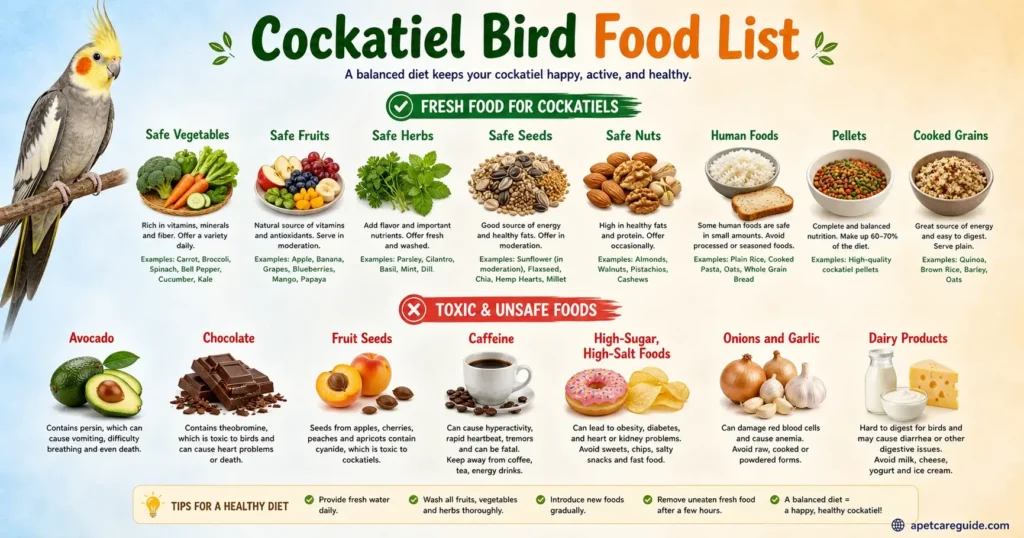
Avocado: This is at the top of the list for a reason. Avocado is extremely toxic to birds and can cause serious illness or death very, very quickly. Never, ever feed this.
Chocolate: Just like for dogs, chocolate is a poison for parakeets. The theobromine in it is toxic. You must keep all chocolate far away from your pet’s cage.
Alcohol or caffeine: This should be clear, but it must be said. Their tiny bodies cannot process these substances at all. It is a definite, hard no.
Onion or garlic: These contain compounds that can cause serious blood-related problems in birds. Even the powder form is dangerous, so don’t share seasoned food.
Apple seeds or fruit pits (they contain cyanide): As I mentioned with apples, the seeds and the pits of cherries, peaches, or plums all contain cyanide. Always remove every single one. Salty, sugary, or fatty “human” junk food: Chips, cookies, and other processed snacks are terrible for your bird. They lead to obesity, fatty liver disease, and other major health problems.
Feeding Guidelines for Pet Birds
Introducing new foods should be a slow and happy process. Successfully figuring out what can parakeets eat besides bird food means doing it safely.
Portion sizes for different foods: Keep portions tiny. For a parakeet, a teaspoon of chopped veggies or a single raspberry is a full serving.
How to introduce new foods safely: Offer only one new food item every few days. This allows you to clearly see how your bird reacts to it.
Signs of allergies or intolerances: If you introduce a new food and notice changes in droppings, fluffing up, or appearing tired, stop offering that food immediately and speak with your avian vet.
Final Thoughts About what can parakeets eat besides bird food
So, what can parakeets eat besides bird food? The answer is a wide range of fresh fruits, vegetables, grains, and other healthy treats! Just remember to avoid harmful foods like avocado, chocolate, and onion, and always offer treats in moderation. A healthy, balanced diet will keep your parakeet happy, energetic, and thriving. Use this pet care guide to ensure that your feathered friend stays healthy and enjoys a variety of tasty treats!
FAQ about what parakeets can eat besides bird food
What is a parakeet’s favorite human food?
Many parakeets seem to go crazy for small pieces of apple, shredded carrots, and broccoli florets. However, every bird has its own personality, so part of the fun is discovering your own bird’s unique favorite.
What is a good alternative to parakeet food?
A good alternative is not a single item but a balanced mix of fresh options. For a temporary substitute, a blend of cooked quinoa, finely diced vegetables like carrots and bell peppers, and a small amount of mashed, hard-boiled egg works well.
What kind of food can parakeets eat?
Parakeets thrive on a diet based on high-quality pellets, supplemented with a wide variety of vegetables, fruits, cooked grains, and lean proteins. This guide on what parakeets can eat besides bird food gives you plenty of great ideas.
Can parakeets eat fruit?
Yes, they certainly can! Fruits like berries, melon, and kiwis are fantastic treats. Just remember to remove any seeds (like from apples) and offer them in small amounts due to their sugar content.
Can parakeets eat vegetables?
Vegetables should be a daily part of their diet. Leafy greens, bell peppers, carrots, and zucchini are all excellent choices when you want to know what parakeets can eat besides bird food.
Can parakeets eat seeds and nuts other than bird food?
Yes, in moderation. Healthy additions include flaxseeds, pumpkin seeds, and finely chopped raw almonds. Avoid all salted nuts and use high-fat seeds like sunflower seeds only as a rare treat.
Is it okay to give parakeets cooked food?
Yes, certain cooked foods are perfectly safe and healthy. Plain cooked rice, quinoa, oatmeal, lentils, and tiny bits of unseasoned cooked egg or chicken are wonderful additions.
Can parakeets eat herbs?
Fresh herbs like parsley, cilantro, basil, and thyme are safe and provide vitamins and mental stimulation. My bird loves shredding a fresh cilantro leaf.
Can parakeets eat flowers?
They can eat specific edible flowers as long as they are free from pesticides. Dandelions, hibiscus, and nasturtiums are fun and colorful treats.
Can parakeets eat dairy products?
Since birds are lactose intolerant, dairy should be almost completely avoided. A very tiny taste of plain yogurt or hard cheese on a rare occasion is unlikely to cause harm, but it should never be a regular food.
Are there any foods parakeets should never eat?
Absolutely. You must never give your parakeet avocado, chocolate, alcohol, caffeine, or anything with high salt, fat, or sugar content. Learning what parakeets can eat besides bird food is also about learning these critical safety rules.