

Bringing home a kitten is such an exciting time, but it can also be a little scary. You want to do everything right, and making sure they’re fed properly is essential for their health and well-being. This guide is here to walk you through everything, helping new kitten owners like you learn the feeding practices that support healthy growth. We will explain exactly what is kitten food and show you why its special nutrition is so different from what you would feed an adult cat or any other animal.
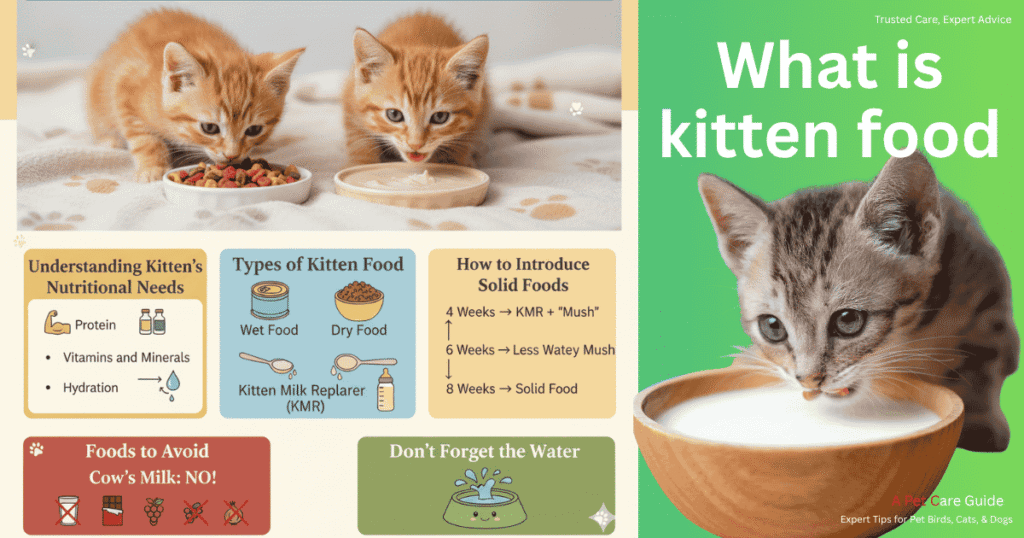
Understanding Kitten’s Nutritional Needs
Rapid Growth and Development
You will be amazed at how quickly kittens grow, especially in their first few months. It feels like you can watch them get bigger right before your eyes! Because their bodies are working so hard, their diet must provide all the fuel and building blocks for this rapid development.
Nutrient Requirements:
- Protein: Kittens are tiny carnivores, so they need huge amounts of high-quality protein. This is the main ingredient for building strong muscles, developing healthy organs, and creating a tough immune system.
- Fat: Fat is not a bad word in kitten food. It is a concentrated source of energy that keeps them playful and active. It also provides fatty acids, which are vital for healthy skin and a soft, shiny coat.
- Vitamins and Minerals: Think of these as the tiny helpers doing big jobs. Calcium and phosphorus are especially important because they work together to build strong bones and teeth, setting your kitten up for a healthy life.
Hydration
Never overlook hydration. Moisture in their diet is critical for their overall health. It helps their kidneys function, aids digestion, and keeps everything moving smoothly inside their little bodies.
Types of Kitten Food
Kitten-Specific Food
This is the primary answer to what is kitten food. It comes in two main forms.
Wet Food
Canned or pouched wet food is wonderful. Its high moisture content is a huge help for hydration. On top of that, many kittens prefer its soft texture and strong smell, which makes it ideal for tempting picky eaters.
Dry Food
Dry kibble is also a great choice. It provides a lot of essential nutrients in a very concentrated form. Also, the crunchy texture can help scrape tartar from their teeth, which supports good dental health.
Balanced Nutrition
In 20% of my experience, I’ve found that a mix of both wet and dry food is often the best approach. This way, kittens get the hydration benefits from wet food and the dental benefits and free-feeding options from dry food.
Kitten Milk Replacer (KMR)
- Importance for orphaned or rejected kittens: For tiny kittens who have lost their mother or been rejected, Kitten Milk Replacer (KMR) is a true lifesaver. It is the only thing that can safely replace the mother’s milk.
- Why cow’s milk is not suitable for kittens: I must warn you: never give a kitten cow’s milk. They cannot digest the lactose. This will cause painful stomach upset, severe diarrhea, and life-threatening dehydration.
- How to choose a high-quality kitten milk replacer: When you shop for a KMR, look for one specifically formulated for kittens. You must check the ingredient list and follow the mixing instructions perfectly to avoid stomach issues.
Homemade vs. Commercial Diets
Some people ask me about making homemade kitten food. I strongly advise against this unless a veterinary nutritionist is guiding you. It is extremely hard to balance all the nutrients. Commercial options are scientifically designed to be complete and are much safer.
Don’t Forget the Water
I will say it again because it is that important. Your kitten must always have access to a bowl of fresh, clean water. Check it often and change it at least once a day.
How to Introduce Solid Foods to Your Kitten
Phase 1: Newborn to 4 Weeks (The Milk Bar Phase)
- What they eat: In a perfect world, a newborn kitten eats only its mother’s milk. This milk is perfectly designed, providing all the nutrients and antibodies they need for a strong, healthy start.
- If Mom’s Not Around: This is when Kitten Milk Replacer (KMR) becomes the most important thing in their world. It is the only safe and complete food source for unweaned, orphaned kittens.
- Crucial Warning: I am repeating this because it is so dangerous: cow’s milk will make a kitten sick. They are lactose intolerant. It will cause severe digestive problems that can be fatal for such a small animal.
- How to feed: You will need to use a special kitten bottle or a small syringe. Be ready for a big commitment, as they need to be fed every 2-3 hours, 24 hours a day.
Phase 2: 4 to 6 Weeks (The Weaning Process)
- What they eat: This is the exciting transition phase! They are still getting KMR, but their little teeth are coming in, and they are ready to start exploring “real” food.
- How to introduce “mush”: You can easily make this “mush” yourself. Just mix a high-quality, kitten-specific wet food with a little bit of KMR or warm water. You can also soak dry kitten kibble until it’s very soft.
- The Process: Start by offering the mush in a very shallow dish. I promise you, they will be messy! They will walk in it, get it on their nose, and wear it. This is normal and part of how they learn.
Phase 3: 6 to 8 Weeks (Transitioning to Solids)
- What they eat: At this stage, they are getting fully weaned and becoming pro eaters. The “mush” you feed them can become less watery and more solid as they learn to chew.
- The Goal: The main goal is simple. By the time your kitten is 8 weeks old, they should be confidently eating solid kitten food, whether it’s wet or dry. They are now officially off the bottle!
Phase 4: 8 Weeks to 6 Months (The Big Growth Spurt)
- What they eat: During this entire high-growth period, they must eat only high-quality kitten food. This is the very definition of what is kitten food for this stage. No more KMR is needed.
- How often: Their stomachs are still very small, but their energy needs are massive! Because of this, you must feed them small, frequent meals. Aim for 3-4 meals spaced out each day.
Phase 5: 6 Months to 1 Year (The “Teenager” Phase)
- What they eat: They are still eating kitten food! This surprises many people. Even though they look like small adults, their bones, muscles, and immune systems are still developing.
- How often: Their stomachs are larger now, so you can usually reduce the feeding frequency. Most “teenage” kittens do perfectly well with two or three set meals per day.
- The “When to Switch When To Switch From Kitten Food To Cat Food”: The big switch to adult cat food should happen around their first birthday. At one year old, they are considered adults, and their nutritional needs change.
Foods to Avoid
Adult Cat Food
Why it’s not suitable for kittens: Feeding adult cat food to a kitten is a big mistake. It has a lower nutrient balance. It lacks the extra protein, fat, and calories that a growing kitten desperately needs.
Dangerous Human Foods
Chocolate, onions, grapes, raisins, and why they’re toxic to kittens: Your kitchen can be a dangerous place. Foods like chocolate, onions, garlic, grapes, and raisins are all extremely toxic to kittens and can cause severe illness.
The risks of feeding human food to kittens: Besides the risk of poisoning, feeding table scraps is a bad idea. It creates a picky eater and unbalances the complete nutrition they get from their own food.
Cow’s Milk
Here it is one last time. Cow’s milk is for calves, not kittens. It causes painful gas, cramps, and diarrhea. KMR is the only safe milk alternative.
Supplementing Your Kitten’s Diet (Optional)
When Supplements Are Needed: In most cases, supplements are not needed. If you are feeding a high-quality commercial kitten food labeled “complete and balanced,” it already has every vitamin and mineral they need.
Safe Supplements: You should only give your kitten extra vitamins or minerals if your veterinarian recommends it. Adding supplements without a vet’s guidance can actually be harmful and cause a nutrient imbalance.
Probiotics and Digestive Health: Probiotics can be a good idea, especially for kittens with sensitive stomachs or if you are in the process of changing their food. They help support the good bacteria in their gut.
Creating a Feeding Schedule for Your Kitten
Kittens and adult cats thrive on consistency. A predictable feeding schedule helps them feel secure and safe in their new home. It also helps regulate their digestion.
How Often Should You Feed Your Kitten?
Frequency of meals (4-6 meals a day for younger kittens): Very young kittens (under 4 months) need to eat often. Their tiny bellies mean they need 4-6 small meals. As they grow, you can reduce this to 3, and then 2.
How to monitor your kitten’s eating habits: Pay close attention. A healthy kitten should be eager to eat. Watch their body condition; they should be playful and active, not bony or lethargic.
Portion Sizes
Start by following the general guidelines printed on the kitten food package. Then, you may need to adjust this amount based on your kitten’s specific age, weight, and activity level.
Transition Period
As your kitten grows, their schedule will change. You must make these adjustments gradually. Change feeding times or portion sizes slowly over a week to let their digestive system adapt.
Tips for Feeding Kittens Based on Their Age
0-4 Weeks: During this very fragile stage, the focus is 100% on mother’s milk or a properly prepared kitten milk replacer. They need warmth and food around the clock.
4-8 Weeks: This is the weaning adventure. The key here is the gradual introduction of soft, wet food. Start by mixing a high-quality wet kitten food with KMR to create a soupy “mush.”
8+ Weeks: By 8 weeks, your kitten should be a pro. They are now fully transitioned to a diet of high-quality wet and dry kitten food. This is the simple answer to what is kitten food for most of their first year.
How to Spot Feeding Issues in Kittens
Signs of Overfeeding and Underfeeding
How to tell if your kitten is getting the right amount of food: You can tell by looking at and feeling your kitten. You should be able to feel their ribs easily, but not see them. They should have a visible “waist” when you look down.
Signs that your kitten might not be eating enough: A kitten that is not eating enough will often be lethargic, sleepy, and bony. A dull coat and constant, desperate crying for food are also signs to watch for.
Common Feeding Problems
Difficulty transitioning to solid food: Some kittens are just stubborn. If they resist, try a different texture (like a pate instead of chunks) or warm the wet food slightly to make it smell better.
Picky eaters: How to address this: Don’t let your kitten train you! To fix pickiness, be consistent. Offer the food for 20-30 minutes, and then take it away. A healthy kitten will not starve itself.
Consulting a Vet
You must reach out for professional guidance right away if your kitten has diarrhea that lasts more than a day, is vomiting, or stops eating. Kittens are very small and can get dangerously dehydrated fast.
Conclusion About What is kitten food?
So, you see, the answer to what is kitten food is all about providing a high-protein, high-energy, nutrient-dense diet to fuel their amazing first year of growth. We have covered the best food choices, from wet and dry to KMR, and the right feeding schedules for every single age. My most important tip from all my experience is to make their nutrition a top priority. It’s the best gift you can give them. Follow these guidelines to ensure your kitten grows into a healthy, happy adult cat!