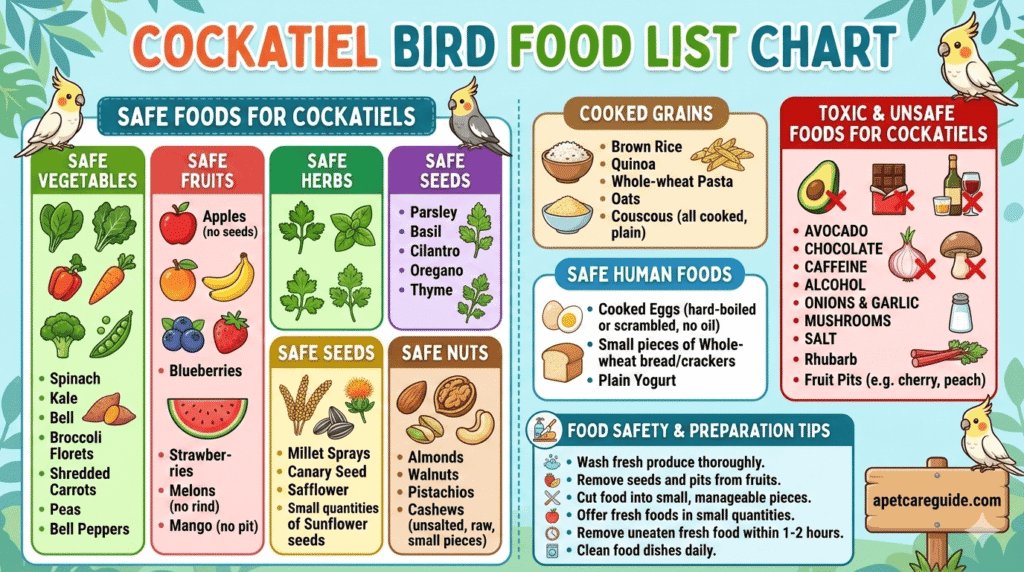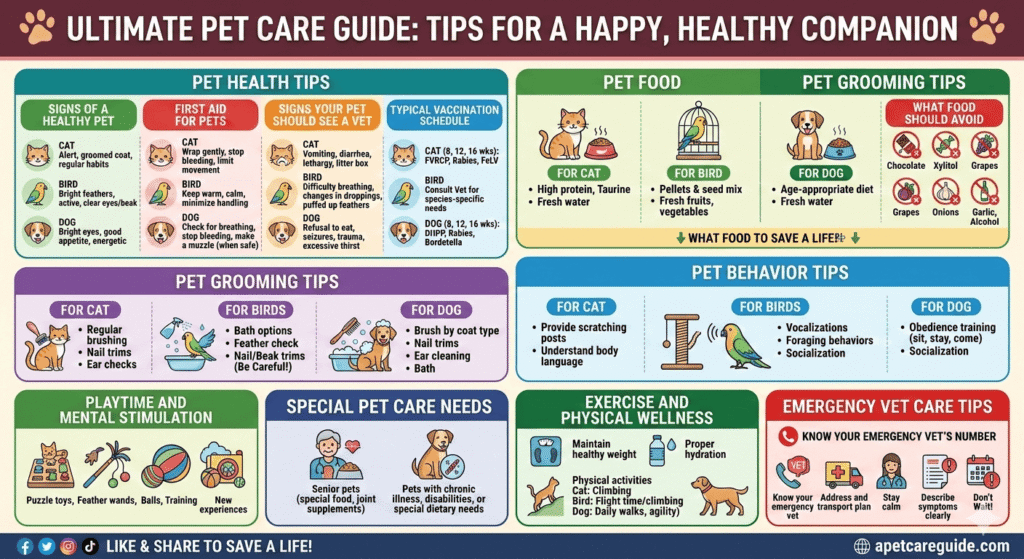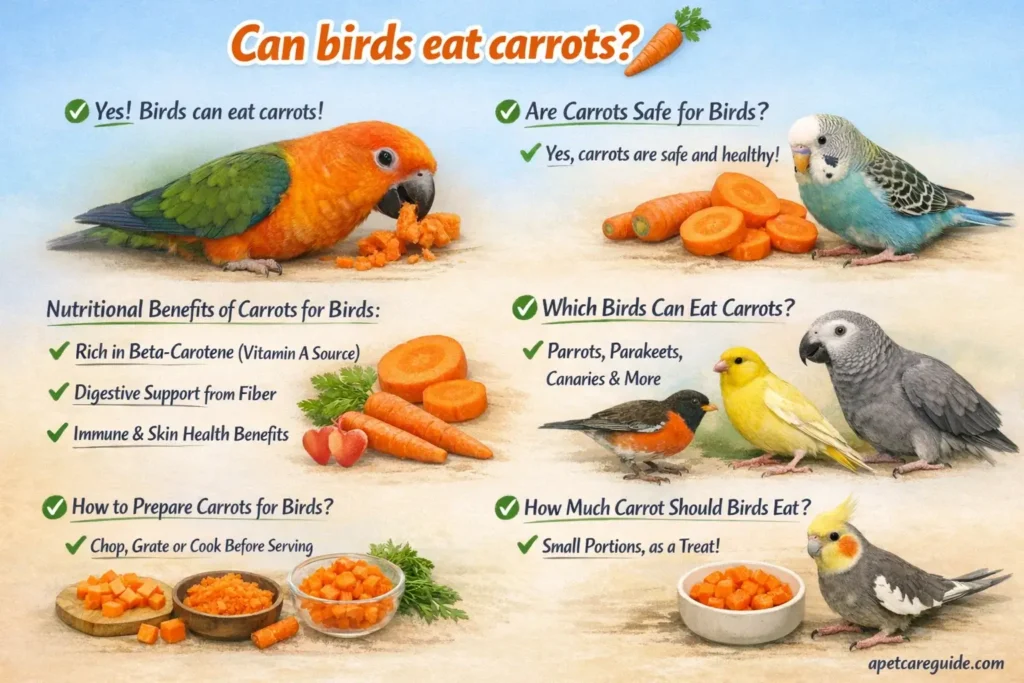


Let’s answer the big question right away: can birds eat carrots? Yes, absolutely! Most birds safely enjoy carrots when you prepare them correctly. Treat these crunchy snacks as a healthy bonus. They should never replace your feathered friend’s balanced diet.
Many bird owners worry about safe vegetables. Incorrect feeding can lead to digestive or choking issues. We care deeply about our pets, and feeding them the wrong food brings terrible anxiety.
Are Carrots Safe for Birds?
Non-Toxic Nature of Carrots
Carrots are safe and widely recommended for many bird species. You will find absolutely no harmful compounds when served plain and fresh. Vets love recommending them!
Key Safety Factors to Consider
Proper washing to remove pesticides is your absolute top priority. Always practice cutting into small, manageable pieces. Completely avoiding spoiled or moldy carrots keeps your pet happy and safe.
Nutritional Benefits of Carrots for Birds
Rich in Beta-Carotene (Vitamin A Source)
These orange treats heavily support eye health and vibrant feather coloration. The amazing vitamins help prevent vitamin A deficiency in birds.
Digestive Support from Fiber
Fiber acts like a stomach superhero. It heavily aids in healthy digestion when given in moderation. Natural roughage successfully prevents minor digestive irregularities.
Immune and Skin Health Benefits
Carrots contain antioxidants that aggressively boost immunity against sickness. This nutrition strongly supports healthy skin and feather growth.
Which Birds Can Eat Carrots?
Pet Birds
Budgies, cockatiels, parrots, macaws, cockatoos, and conures adore them! As noted in A Pet Care Guide, experts often include them in standard avian diet recommendations.
Wild Birds
Backyard visitors enjoy snacks too! Sparrows, pigeons, doves, and starlings gladly eat them. However, they are more likely to eat grated or softened carrots.
Individual Preferences Among Birds
Every single bird acts totally differently. Some birds may refuse carrots initially. A gradual introduction strongly helps acceptance.
How to Prepare Carrots for Birds
Best Cutting Methods
Preparation changes everything. Stick to grated, shredded, or finely chopped pieces. This smart method drastically reduces choking risk and improves digestibility.
Washing and Cleaning
You must fiercely remove dirt, chemicals, and pesticide residue. Always use fresh, clean carrots to protect their tiny stomachs.
Serving Fresh vs Stored Carrots
Fresh carrots are best, hands down. Vigorously avoid old, dried-out, or slimy pieces.
Raw vs. Cooked Carrots for Birds
Benefits of Raw Carrots
Raw snacks bring massive joy. The crunchy texture aggressively promotes natural chewing behavior. Plus, raw food retains more nutrients.
When to Serve Cooked Carrots
Sometimes a softer touch works magic. Light steaming softens the tough texture for smaller or weaker birds. This becomes incredibly helpful for birds that struggle with hard foods.
Foods to Avoid in Cooked Carrots
Keep the recipe completely boring! Use absolutely no salt, butter, oil, spices, or sauces. Never serve seasoned or processed carrots.
How Much Carrot Should Birds Eat?
Portion Size Guidelines
Moderation keeps them feeling spectacular. Offer tiny amounts as a treat. Mix these orange bits with other vegetables for a perfect balance.
Frequency of Feeding
Timing matters heavily. Feeding them 2–3 times per week is generally sufficient. Actively avoid daily overfeeding.
Balanced Diet
Balance builds strong pets. Carrots should strictly complement pellets, seeds, and fruits. They are absolutely not a primary food source.
Can Wild Birds Eat Carrots?
How to Offer Carrots to Wild Birds
Treat your outdoor friends right. Toss grated or finely chopped pieces in feeders or on the ground. Place the snacks in shaded areas to prevent rapid spoilage.
Bird Species Likely to Eat Carrots
Watch your yard closely! Ground-feeding birds and hungry omnivorous species will arrive first. Birds accustomed to human-provided food will gladly feast.
Limitations for Wild Birds
Expect some leftovers. Honestly, not all wild birds will recognize carrots as food. Their natural diet should always remain the priority.
Can Baby Birds Eat Carrots?
Special Nutritional Needs of Baby Birds
Babies demand extreme care. Tiny hatchlings require species-specific feeding formulas. They possess terribly sensitive digestive systems.
Risks of Feeding Solid Vegetables Too Early
Rushing things brings horrible heartbreak. Solid chunks may cause immediate choking or severe malnutrition. This mistake can permanently disrupt proper growth.
When to Introduce Vegetables
Patience saves lives. Introduce new foods only after weaning and under expert guidance. Please consult an avian vet for safe introduction.
Regional and Seasonal Considerations
The weather completely changes how we feed our pets. During boiling summers, fresh produce rots rapidly in outdoor feeders. In freezing winters, wild flocks desperately appreciate the extra calories you provide.
Risks of Feeding Carrots to Birds
Choking Hazards
Danger hides in large bites. Large or hard chunks can be terrifyingly dangerous. Always cut everything into super small pieces.
Spoilage and Mold Growth
Heat destroys good food quickly. Carrots can rot surprisingly fast in warm weather. Moldy food can cause awful, painful illness.
Chemical and Additive Risks
Hidden chemicals act like poison. Pesticides on unwashed carrots attack their tiny bodies. Be highly aware of the harmful effects of salted or canned carrots.
Debunking Common Misconceptions About Feeding Carrots to Birds
- Myth: All birds will eat carrots. Let’s bust this myth instantly: not every bird likes them! Some pets stubbornly hate certain flavors.
- Myth: Cooked carrots are better because they’re softer. People assume mushy means better. Actually, cooking destroys vitamins, making raw crunches superior.
- Myth: Carrots can replace commercial birdseed. Never swap out the main course! Veggies act as side dishes, unable to replace balanced seeds.
- Myth: Orange food dyes bird feathers. Some folks think orange snacks turn feathers orange. Vitamins brighten natural colors, but they won’t dye your pet!
Signs Your Bird Likes Carrots
Positive Feeding Behavior
Happy pets show obvious signs. Look for enthusiastic pecking, loud chewing, and finishing portions quickly. They will love returning to carrot pieces repeatedly.
Signs of Disinterest
Sometimes, they just hate it. You will catch them completely ignoring or throwing food away. They will actively show a preference for other vegetables.
How to Encourage Acceptance
Don’t surrender immediately! Sneakily mix the new bits with favorite foods. Try to offer snacks in different textures, like raw vs steamed.
Foods to Avoid When Serving Carrots to Birds
Processed and Seasoned Carrots
Keep human food far away. Actively avoid canned, pickled, or flavored carrots. Serve absolutely no added sugar or preservatives.
Unsafe Cooking Additions
The kitchen holds dangerous traps. Butter, salt, oil, garlic, and spices are terribly harmful.
Spoiled or Old Carrots
Garbage goes in the trash. Never feed moldy or fermented vegetables to your precious pets.
Healthy Vegetable Alternatives to Carrots for Birds
Leafy Greens
Mix up their plates! Crisp spinach, tough kale, and watery lettuce work beautifully in moderation.
Other Nutritious Vegetables
Open up your fridge. Crunchy broccoli, sweet bell peppers, tiny peas, and soft zucchini make fantastic treats.
Importance of Dietary Variety
A changing menu keeps them thriving. Rotating foods strongly prevents nutrient deficiencies. Plus, it keeps birds highly interested in food.
Expert Tips for Feeding Carrots to Birds Safely
Introduce New Foods Gradually
Take things painfully slow. Start with incredibly small portions. Monitor their physical reactions carefully.
Maintain Clean Feeding Practices
Cleanliness blocks nasty bacteria. Promptly remove uneaten food within a few hours. Clean their feeding areas regularly.
Observe Bird Health and Behavior
Pay close attention to clues. Watch their messy droppings and activity levels. Quickly adjust the diet if needed.
A list of Other Vegetable & Fruit Options
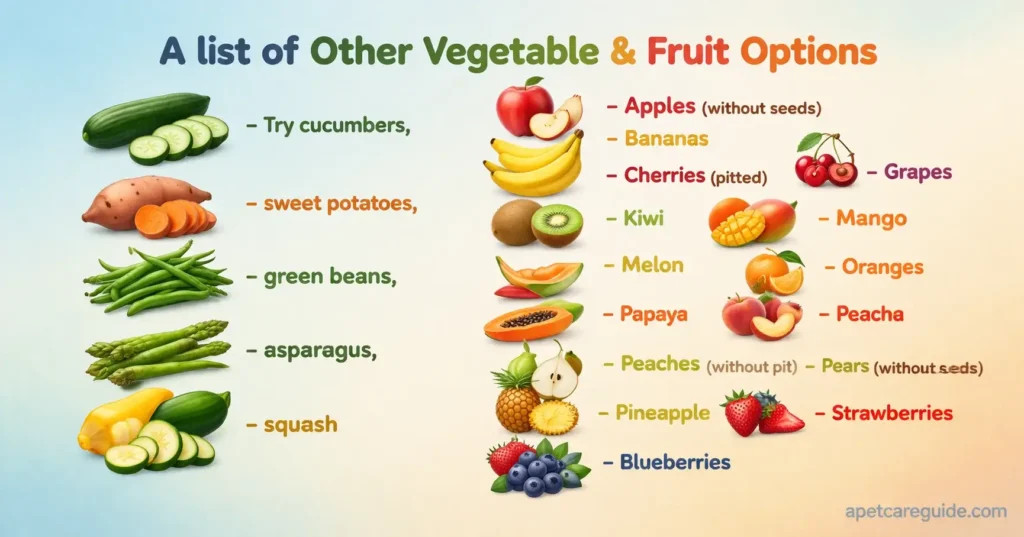
Want to expand the menu?
-Try cucumbers,
-sweet potatoes,
-green beans,
-asparagus,
-squash
-Apples (without seeds)
-Bananas
-Cherries (pitted)
-Grapes
– Kiwi
-Mango
-Melon
-Oranges
-Papaya
-Peaches (without pit)
-Pears (without seeds)
-Pineapple
-Strawberries
-Blueberries to keep mealtime exciting!
FAQ’s About Can Birds Eat Carrots
Can Birds Eat Raw Carrots?
Yes, raw carrots are amazingly safe when grated or chopped.
Can Birds Eat Cooked Carrots?
Yes, if you keep them plain and totally unseasoned.
Can Birds Eat Carrots Every Day?
Not recommended at all; strict moderation is key.
Are Carrots Good for Parrots?
Yes, incredibly good, especially for vitamin A support.
Do Wild Birds Like Carrots?
Some absolutely do, especially when properly prepared.
Final Verdict: Can Birds Eat Carrots?
The answer stands loud and clear. Yes, they absolutely should enjoy them!
These crunchy snacks are completely safe, highly nutritious, and super beneficial in moderation. Proper preparation is essential.
Follow the golden rules. Serve fresh, plain, and finely cut carrots. Vigorously avoid additives and overfeeding.
Keep the big picture in mind. Use carrots as part of a varied, balanced diet. Always prioritize species-specific nutritional needs.